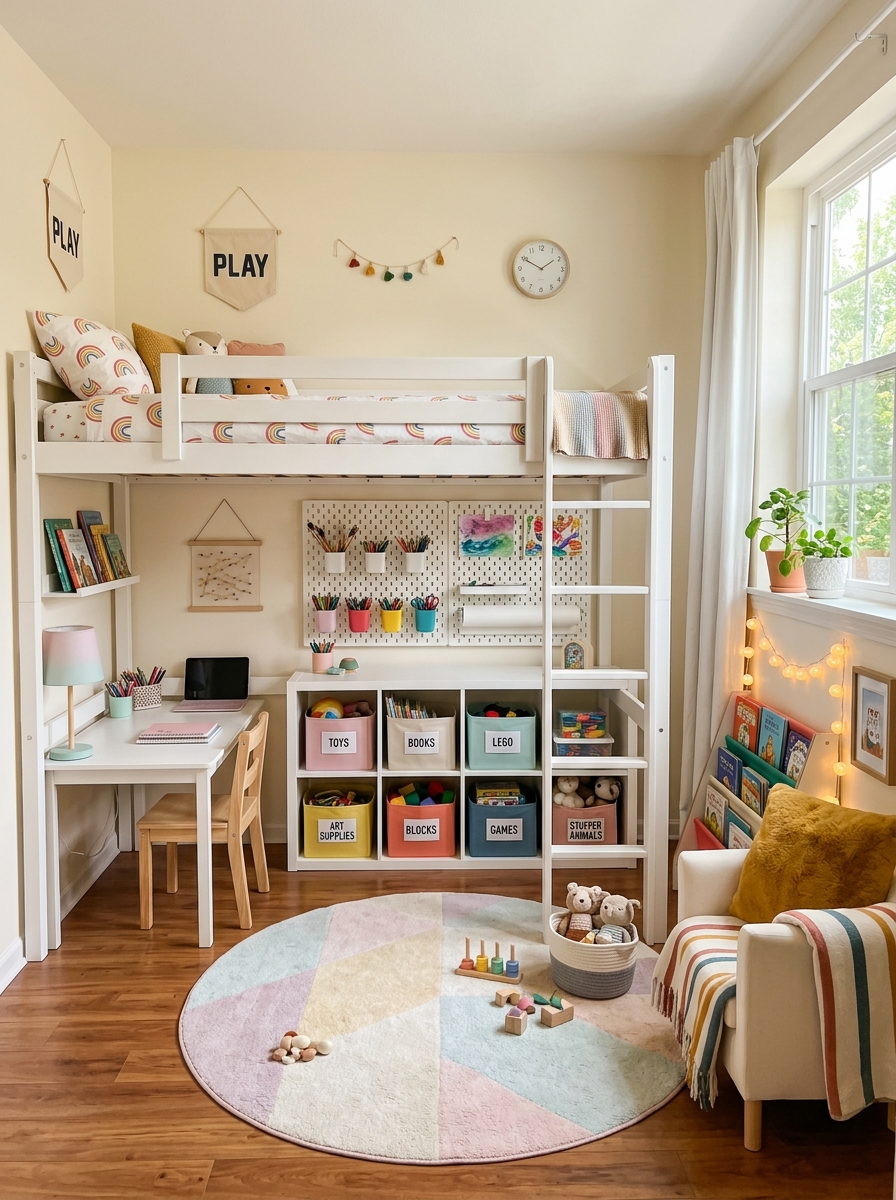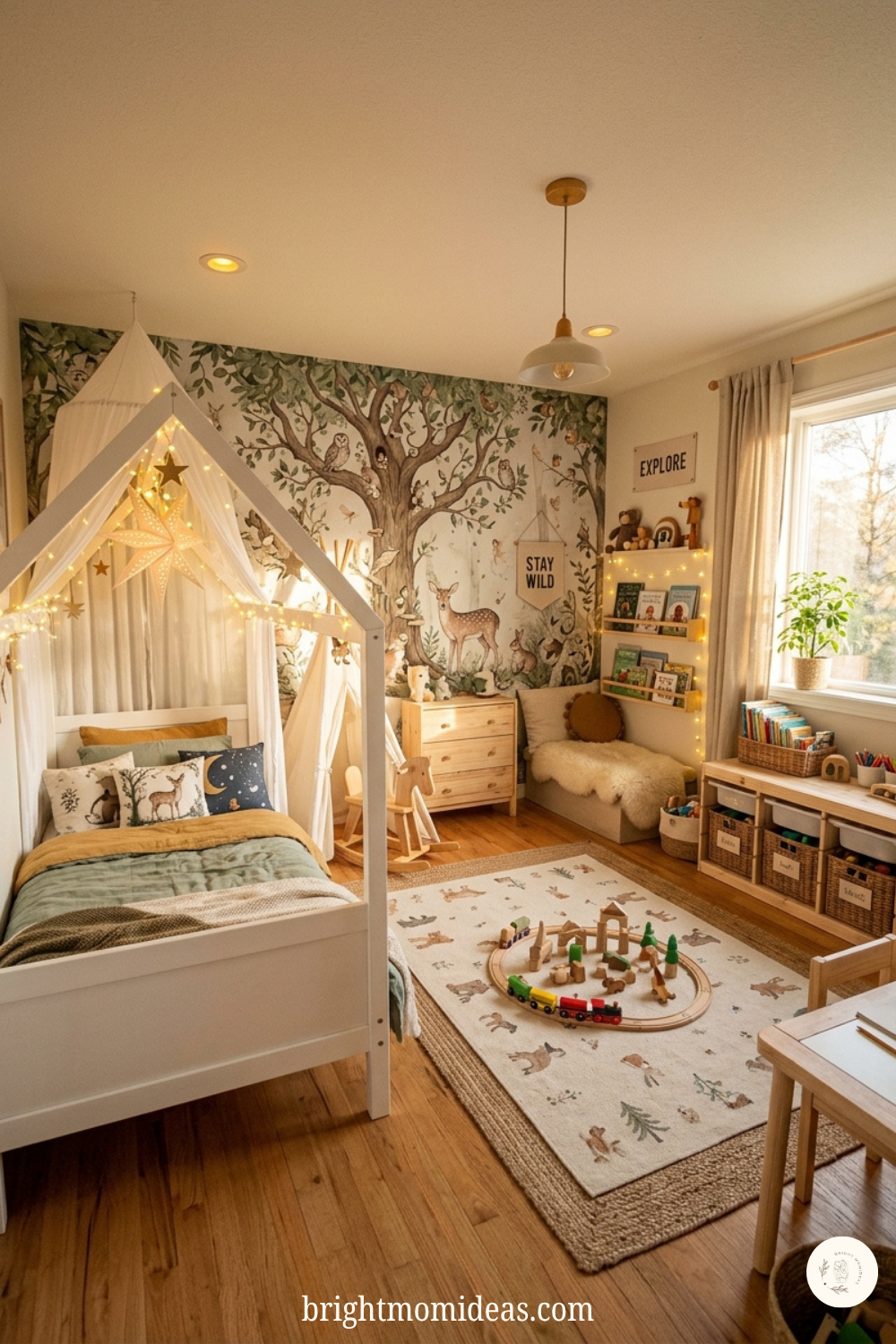
Whimsical Kids Bedroom Ideas That Feel Magical, Not Cluttered

whimsical kids bedroom ideas

How to create a dreamy, imaginative kids bedroom that stays beautiful and organized every single day.


Every child deserves a bedroom that feels like it belongs in a story.

Not a showroom. Not a catalog page. A real, lived-in, deeply personal space where their imagination has room to stretch out and breathe. A room that makes them excited to go to bed at night and happy to wake up in the morning.

whimsical kids bedroom ideas

But here is the thing most whimsical bedroom inspiration posts conveniently skip — magic and clutter are not the same thing. The most beautiful whimsical kids bedrooms on Pinterest are not stuffed with every enchanted object imaginable. They are carefully considered spaces where each element was chosen with intention. The magic comes from restraint just as much as it comes from fairy lights and canopy beds.

This guide is going to show you exactly how to create that balance. A bedroom that feels genuinely magical — without turning into a chaotic mess two weeks after you finish decorating it.


What Makes a Kids Bedroom Feel Truly Whimsical

Before we get into specific ideas, it helps to understand what whimsical actually means in the context of a child’s bedroom. Because it is one of those words that gets used a lot without much precision.

whimsical kids bedroom ideas

A whimsical bedroom feels like it exists slightly outside of ordinary life. It has an element of surprise. Something unexpected that makes you smile the moment you walk in. It could be a canopy of fairy lights above the bed that turns the whole ceiling into a night sky. It could be a tiny door painted at baseboard level suggesting a little creature lives in the wall. It could be a reading nook tucked under the stairs or inside a built-in alcove with curtains you can close for privacy.

The common thread is imagination. A whimsical bedroom invites a child to ask “what if” rather than simply existing in a space that looks nice.

The second quality that defines truly beautiful whimsical bedrooms — as opposed to overwhelming ones — is cohesion. Everything in the room belongs to the same story. The colors work together. The elements reference the same theme or feeling. Nothing is random. And importantly, there is enough clear, calm space for the eye to rest between the magical moments.


Choose a Theme That Grows With Your Child

The biggest whimsical bedroom mistake parents make is choosing a theme that is so specific it becomes outdated within two years. A bedroom decorated entirely around one specific movie or character will need redecorating the moment your child moves past that phase — and they will.

whimsical kids bedroom ideas

The whimsical themes that work long-term are the ones rooted in nature and imagination rather than specific intellectual property.

Enchanted Forest

An enchanted forest theme is one of the most timeless whimsical bedroom aesthetics available. Soft sage green and warm earthy tones on the walls. A tree mural painted on one accent wall with branches extending upward toward the ceiling. Woodland animal accents — foxes, owls, deer — in the form of simple framed prints or ceramic figurines. Fairy lights woven through the branches of the mural. Natural materials throughout — rattan, wood, linen, jute.

whimsical kids bedroom ideas

This theme works beautifully for children from age two through the early teenage years because it is rooted in nature rather than a specific character or franchise. The only thing that changes as your child grows is the level of sophistication in the styling.

Under the Stars

A celestial bedroom theme — deep navy or midnight blue walls, glow-in-the-dark stars on the ceiling, moon and constellation wall art, sheer silver accents — creates a bedroom that feels genuinely otherworldly without being overwhelming. The dark walls actually make a small room feel more expansive and dramatic. And glow-in-the-dark ceiling stars are one of those details that children remember for the rest of their lives.

whimsical kids bedroom ideas

Enchanted Garden

Soft floral wallpaper on one accent wall, climbing vine wall decals extending from a bookshelf toward the ceiling, butterfly and bee accents, pastel tones in blush pink and mint green, fairy lights in a canopy above the bed. This theme leans more feminine but works beautifully for any child drawn to the natural world.

whimsical kids bedroom ideas

Fairy Tale Castle

Stone-effect wallpaper on one wall, a canopy bed with a drawbridge-inspired headboard, soft purple and gold tones, a simple reading nook styled as a castle turret with a small bookshelf and a cushion, fairy lights above. This theme works extraordinarily well for children who love stories and imaginative play.

whimsical kids bedroom ideas


The Whimsical Elements That Make the Biggest Impact

Canopy Beds and Fabric Canopies

Nothing transforms a children’s bedroom quite as dramatically or as affordably as a canopy. A simple sheer fabric canopy hung from the ceiling above the bed instantly creates a sense of enclosure and magic. The bed becomes a sanctuary rather than just a place to sleep.

whimsical kids bedroom ideas

For a forest theme, use a natural linen canopy in cream or sage and for celestial theme, use a deep navy or silver sheer fabric. For a fairy tale theme, use white or pale lavender with fairy lights woven through.

Canopies are also one of the most practical whimsical bedroom elements because they require no structural changes and can be moved or replaced easily as your child’s tastes evolve.

Fairy Lights — Used Thoughtfully

Fairy lights are the single most transformative lighting element in a whimsical bedroom. But the key word is thoughtfully. A single strand of lights draped carelessly around the room looks like an afterthought. The same lights used with intention — woven through a canopy, traced along a wall mural’s branches, tucked along a bookshelf, or arranged in a cluster above the bed — look absolutely magical.

whimsical kids bedroom ideas

Always use warm white fairy lights rather than multicolored ones for a whimsical bedroom. Warm white creates a soft golden glow that feels dreamlike and enchanting. Multicolored lights can feel chaotic in a space that is already visually active.

A Reading Nook

A reading nook is the single element that appears most consistently in the most beautiful whimsical kids bedrooms on Pinterest. And it is easy to understand why. A dedicated reading space — even a very small one — tells a child that reading is special enough to deserve its own place in their world.

whimsical kids bedroom ideas

It does not need to be elaborate. A corner of the room with a small bookshelf, a floor cushion or a bean bag, good lighting, and a simple fabric canopy or curtain that can be drawn for privacy is all it takes. The enclosed feeling of a reading nook is what makes it feel whimsical rather than just a chair with a bookshelf beside it.

Wall Murals

A well-executed wall mural is the most impactful single investment you can make in a whimsical kids bedroom. One wall transformed into an enchanted forest, a night sky, an underwater world, or a fairy tale landscape changes the entire atmosphere of the room.

 whimsical bedroom

You do not need to be an artist to achieve this. Peel and stick mural wallpaper has become exceptionally good in recent years and offers beautiful whimsical designs that look professionally painted. Large format decals — a dramatic tree, a rising moon, a field of wildflowers — achieve a similar effect with even less commitment.

Thoughtful Lighting Beyond Fairy Lights

A whimsical bedroom needs more than fairy lights for its overall lighting. A moon-shaped or cloud-shaped night light on the nightstand. A mushroom lamp on the bookshelf. A star projector on the ceiling that turns the room into a planetarium at bedtime. These elements add layers of magical light that transform the room from daytime to evening in the most beautiful way.

whimsical bedroom lighting scene


How to Keep a Whimsical Bedroom Organized

This is the part most whimsical bedroom guides skip entirely — and it is arguably the most important part. Because a beautiful whimsical bedroom that becomes cluttered within a week is not actually beautiful anymore. It is just chaotic with fairy lights.

whimsical kids bedroom ideas

Choose Storage That Fits the Theme

Storage does not have to look like storage. In a whimsical bedroom, storage is an opportunity to extend the aesthetic. Wicker baskets instead of plastic bins. Wooden crates instead of cardboard boxes. Rattan shelving instead of metal wire racks. Fabric bins in the room’s color palette instead of random mismatched containers.

whimsical kids bedroom ideas

When storage looks intentional and beautiful, children are significantly more likely to actually use it. And the room maintains its magical quality even when things are being put away rather than taken out.

The Less Is More Rule

The most important organizational principle in a whimsical bedroom is also the simplest. Not every magical object needs to be displayed at all times. Rotate the decorative elements seasonally. Store half the stuffed animals and bring out different ones each month. Keep surfaces mostly clear so the whimsical pieces that are displayed have room to breathe and be appreciated.

whimsical kids bedroom ideas

A single beautiful ceramic mushroom on a shelf with space around it looks intentional and magical. Twenty objects crowded together on the same shelf looks like a jumble sale.

Zones That Tell a Story

Even in a small whimsical bedroom, defining clear zones makes the space feel more organized without sacrificing any of its charm. A sleep zone around the bed. A reading zone in the nook. A play zone on the rug. A creative zone at the desk.

whimsical kids bedroom ideas

Multicoloured Rainbow Design Rug

Check Price on Amazon

Each zone can have its own whimsical element — fairy lights in the canopy above the sleep zone, a tiny lamp in the reading nook, a colorful rug defining the play zone, a pegboard with art supplies in the creative zone. The zones give the magic a structure that prevents the whole room from feeling overwhelming.


Color Palette for a Whimsical Kids Bedroom

Color is where whimsical bedrooms often go wrong. Too many colors fighting for attention create visual chaos rather than enchantment.

whimsical kids bedroom ideas

The most successful whimsical bedroom color palettes use two or three colors maximum. One dominant color — usually a soft neutral like warm white, cream, or pale sage. One accent color that adds depth — forest green, dusty lavender, midnight navy, or soft terracotta. And one highlight color used sparingly for magical moments — gold, blush pink, silver, or soft coral.

This three-color approach creates a room that feels cohesive and considered rather than randomly decorated. The magic comes from the elements within the palette — not from using as many colors as possible.


FAQs — Whimsical Kids Bedroom Ideas

whimsical kids bedroom ideas


What age is a whimsical bedroom best suited for?

Whimsical bedroom themes work beautifully from toddler age all the way through early teenage years — as long as you choose a theme rooted in nature or imagination rather than a specific character or franchise. Forest, celestial, garden, and fairy tale themes grow with children naturally. The styling simply becomes more sophisticated as they get older rather than needing a complete overhaul.


How do I make a small bedroom feel whimsical without making it feel crowded?

The key is choosing vertical rather than horizontal elements. A canopy above the bed takes up no floor space. Wall murals and fairy lights add magic without adding clutter. A reading nook built into a corner uses dead space creatively. In a small whimsical bedroom, every element should either go up the wall or do double duty — storage that looks beautiful, furniture that serves multiple functions.


What are the best colors for a whimsical kids bedroom?

Soft sage green, dusty lavender, warm cream, midnight navy, and pale blush pink are the most consistently beautiful whimsical bedroom colors. The key is choosing two or three maximum and using them cohesively throughout the room. Avoid using too many colors — even beautiful colors become chaotic when there are too many competing for attention in one space.


How do I add whimsy without it looking childish as they grow?

Choose whimsical elements that are rooted in nature and craft rather than cartoon characters. A hand-painted tree mural, a celestial wall print, handmade ceramic animals, a beautiful canopy — these all have a quality and artisanship to them that children continue to appreciate as they grow. The difference between a whimsical bedroom that ages well and one that looks dated quickly is almost always the quality and intentionality of the individual elements chosen.


Can a whimsical bedroom be budget-friendly?

Absolutely. The most impactful whimsical elements — fairy lights, a fabric canopy, wall decals, a floor cushion for a reading nook — are among the most affordable home décor items available. A beautiful whimsical bedroom transformation can happen for under one hundred dollars with the right priorities. Spend on the one or two elements that will have the most visual impact — a good canopy, quality fairy lights, or a single statement wall decal — and keep everything else simple.


How do I balance whimsy and practicality in storage?

Choose storage that fits the theme — wicker baskets, wooden crates, fabric bins in the room’s color palette. Keep surfaces mostly clear and rotate decorative objects seasonally so nothing becomes visually overwhelming. Define clear zones for sleeping, reading, playing, and creating. When storage is beautiful and intentional, it becomes part of the whimsical aesthetic rather than working against it.


Final Thoughts

A whimsical kids bedroom is one of the most beautiful and meaningful things you can create for your child. It tells them that their imagination matters. That their space deserves thoughtfulness and care. That the world contains magic — and some of it lives right here in their room.

whimsical kids bedroom ideas

The secret to getting it right is the same secret that applies to all good design. Edit ruthlessly. Choose intentionally. Let each element breathe. And remember that the magic is always in the restraint as much as in the decoration.

Start with one element that genuinely excites you — a canopy, a wall mural, a reading nook — and build slowly from there. A room that grows gradually and thoughtfully will always feel more magical than one that was assembled all at once.

Save this post to your Pinterest kids room boards and share it with a mom who is dreaming about transforming her child’s bedroom. 📌


Disclosure: This post contains affiliate links. If you purchase through these links I may earn a small commission at no extra cost to you. Thank you for supporting this blog.

Playroom Ideas For kids

21 Creative Ways to Design a Fun and Organized Playroom

Discover 21 creative kids playroom ideas to design a fun, organized, and inspiring space with smart storage, reading corners, play tents, and educational play areas.

kids playroom ideas

Designing the perfect playroom can transform your home into a magical space where children can learn, imagine, and grow. If you’re searching for kids playroom ideas, you’re probably looking for ways to create a space that is fun, safe, organized, and inspiring.

A well-designed playroom helps children develop creativity while also keeping toys and activities organized. Whether you have a small corner, a spare room, or a basement, there are many creative ways to build the perfect play space.

In this guide, you’ll discover 21 amazing kids playroom ideas that are stylish, practical, and Pinterest-worthy.

This post may contain affiliate links. If you purchase through these links, I may earn a small commission at no extra cost to you.

Why Every Home Needs a Kids Playroom

Before exploring the ideas, it’s important to understand why a dedicated playroom is helpful.

kids playroom ideas

A kids playroom:

• Encourages creativity
• Keeps toys organized
• Reduces clutter in the living room
• Creates a safe play area
• Supports learning through play

The best kids playroom design combines fun décor with smart storage solutions.

1. Create a Colorful Playroom Theme

Kids love colors. Bright and cheerful color schemes make playrooms exciting and stimulating.

kids-playroom-decor.

Rainbow Multi Coloured Rug

Check Price on Amazon

You can use:

• Rainbow walls
• Colorful shelves
• Bright rugs
• Multicolored storage bins

Choose colors that make the space lively but not overwhelming.

2. Add Smart Toy Storage

One of the most important kids playroom ideas is proper toy storage.

tiny playroom ideas

✨ Tap here to check the latest price & availability
https://amzn.to/4ldcS48

Use:

• Open shelves
• Toy baskets
• Storage cubes
• Labelled bins

This helps children learn to organize their toys after playing.

3. Create a Reading Corner

Encourage children to love books by adding a cozy reading corner.

tiny playroom ideas

✨ Tap here to check the latest price & availability
https://amzn.to/4k3fZLg

Include:

• Small bookshelf
• Floor cushions
• Soft lighting
• Kids tent or canopy

This space can become their favorite quiet zone.

4. Install a Chalkboard or Whiteboard Wall

Kids love drawing on walls. Instead of stopping them, give them a dedicated drawing wall.

✨ Tap here to check the latest price & availability
https://amzn.to/4crHOv6

Options include:

• Chalkboard paint wall
• Magnetic board
• Whiteboard wall

This boosts creativity and artistic expression.

5. Add a Play Tent or Teepee

A play tent creates a magical space for imagination and storytelling.

small playroom design

✨ Tap here to check the latest price & availability
https://amzn.to/3OOtR0A

Kids can use it for:

• Pretend play
• Reading
• Quiet time

Choose a soft fabric teepee with pillows and blankets.

6. Create an Art and Craft Station

Children love crafting, painting, and building things.

kids playroom decor

✨ Tap here to check the latest price & availability
https://amzn.to/46D76Tq

Set up a small art station with:

• Kids table
• Chairs
• Art supplies
• Storage drawers

This keeps messy activities in one place.

7. Add a Climbing Wall or Indoor Gym

For energetic kids, an indoor play gym is perfect.

Ideas include:

• Mini climbing wall
• Monkey bars
• Gym rings
• Balance boards

Climbing Wall or Indoor Gym

There are many great playroom products available online. You can check availability, reviews, and prices on Amazon before choosing the best option for your kids.

Here are some highly rated Amazon picks:
https://amzn.to/4uhUeMu
https://amzn.to/4120kmM

This supports physical activity indoors.

8. Use Soft Play Mats

Safety is essential in a kids playroom décor. Soft foam mats protect children while playing and also make the room comfortable.

kids playroom with foam puzzle mats, bright colors, safe and soft play area, toys scattered, family friendly interior

Choose:

• Puzzle mats
• Foam flooring
• Soft rugs

9. Add a Mini Stage for Performances

Children love performing and pretending.

Create a mini stage with:

• Curtains
• Dress-up costumes
• Toy microphone

kids playroom mini theater stage with red curtains, dress up costumes, toy microphone, playful family home interior"

Kids can enjoy singing, dancing, and acting.

10. Build a LEGO Wall

LEGO walls are trending in modern playrooms. Attach base plates to the wall so kids can build vertically.

Benefits:

• Saves floor space
• Encourages creativity
• Keeps LEGO organized

11. Add Educational Toys and Learning Areas

Playrooms can also support learning.

Include:

• Alphabet charts
• Number boards
• Puzzle tables
• STEM toys

This helps children learn through play.

12. Create a Dress-Up Corner

Dress-up areas encourage imagination and role play.

Add:

• Costume rack
• Mirrors
• Dress-up clothes
• Storage baskets

Kids can pretend to be superheroes, doctors, or princesses.

13. Design a Montessori Playroom

Montessori playrooms focus on independence and minimalism.

Features include:

• Low shelves
• Natural materials
• Simple toys
• Neutral colors

This type of playroom is calm and organized.

14. Add Wall Murals

Wall murals make playrooms visually exciting.

Popular themes include:

• Jungle animals
• Space adventure
• Fairy tales
• Dinosaurs

Murals can turn a playroom into a magical world.

15. Create a Puzzle and Game Table

A puzzle and game table is a wonderful addition to any kids playroom because it encourages children to develop problem-solving skills, patience, and critical thinking while having fun. Instead of spreading puzzles and board games all over the floor, a dedicated table gives kids a comfortable place where they can sit, focus, and enjoy games without interruptions.

Choose a child-sized table and chairs so kids can easily sit and play for longer periods. A round or square table works well because it allows multiple children to sit together and play. This setup also encourages social interaction, teamwork, and family bonding, especially when siblings or parents join in for game time.

To keep the area organized, place small baskets, drawers, or shelves nearby to store puzzles, board games, and card games. Labeling these storage bins can make it easier for kids to find their favorite games and learn to clean up after playing.

You can also make the table more fun and functional by adding:

  • Puzzle boards or trays

  • Rotating puzzle storage racks

  • A tabletop organizer for game pieces

  • Bright table mats or play mats

16. Use Floating Shelves for Display

Display favorite toys and books using floating shelves.

This makes the room look organized and stylish.

An indoor slide can instantly turn a normal playroom into an exciting mini playground. Kids naturally love climbing and sliding, so adding a small indoor slide helps them burn energy while staying active indoors—especially during bad weather or cold seasons.

You don’t need a huge space to include a slide. Many modern playroom slides are designed to fit in small rooms and can easily be placed next to a climbing structure, bunk bed, or play platform. Some parents also add a wooden Montessori climbing frame with a slide, which supports both physical activity and motor skill development.

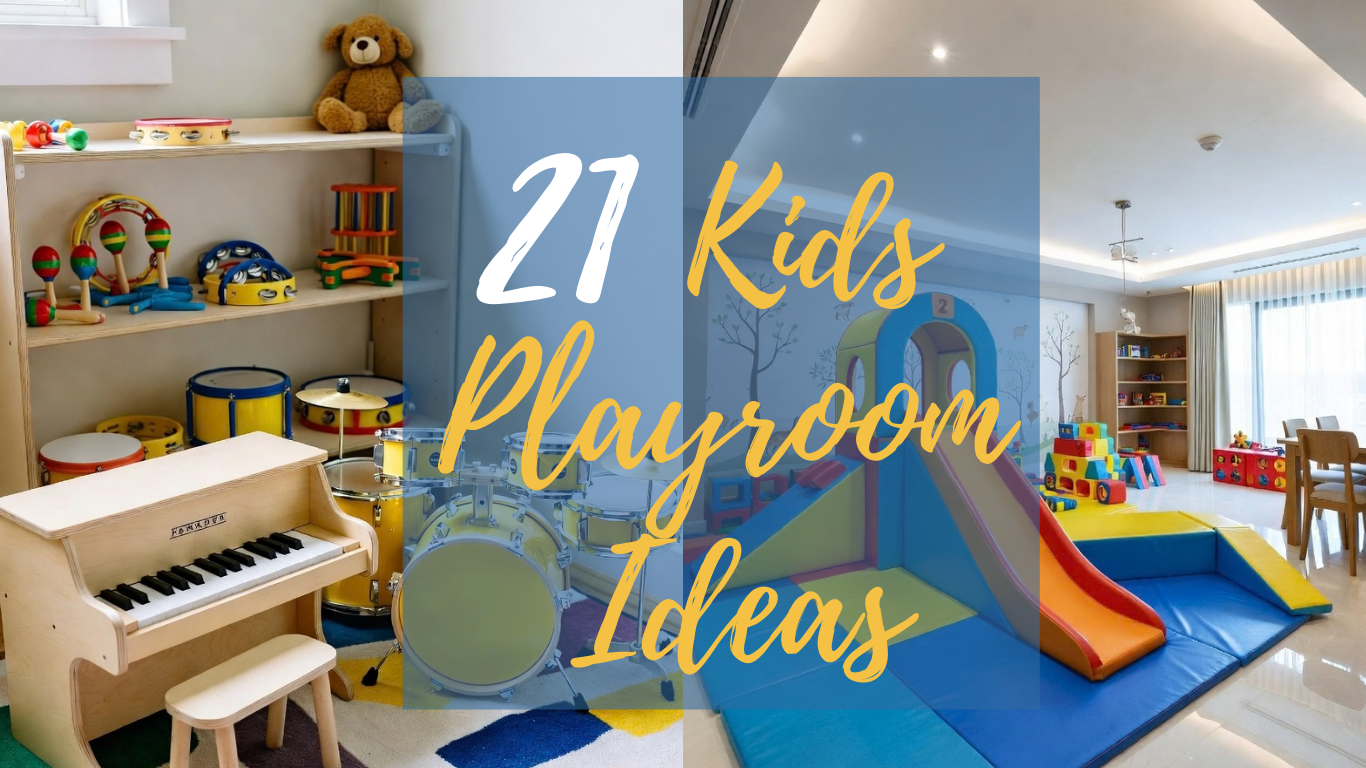
18. Create a Music Corner

A music corner is a wonderful way to introduce children to sounds, rhythm, and creativity. Music helps support emotional development and improves listening skills, coordination, and creativity.

To create a small music space in the playroom, dedicate a corner where kids can freely explore musical instruments. You can include simple instruments such as:

• Toy piano
• Mini drum set
• Xylophone
• Tambourines
• Maracas

For younger children, choose instruments that are colorful, lightweight, and easy to play. These instruments allow kids to experiment with sound and rhythm while having fun.

You can also add a small shelf or basket to store the instruments neatly. Hanging a few instruments on wall hooks can make the area look organized while keeping everything easily accessible.

A music corner encourages children to express themselves, explore sounds, and develop a love for music from an early age.

19. Add Personalized Name Decor

Personalized decor is a simple way to make a kids playroom feel unique and special. Adding your child’s name to the wall creates a sense of ownership and makes the space feel truly theirs.

There are many creative ways to include personalized decorations in a playroom. Some popular ideas include:

• Wooden name signs
• LED letter lights
• Wall decals with the child’s name
• Custom canvas prints
• Colorful alphabet wall art

20. Use Hidden Storage Furniture

Keeping a playroom organized can be challenging because toys tend to spread everywhere. That’s why hidden storage furniture is one of the smartest solutions for maintaining a clean and tidy playroom.

Furniture pieces with built-in storage help you hide toys, books, and art supplies while still keeping them easily accessible. Some great options include:

• Storage benches
• Ottoman boxes
• Toy chests
• Coffee tables with storage
• Storage cubes with baskets

21. Create a Cozy Relaxation Zone

After running, playing, and exploring, kids also need a calm place where they can relax. A cozy relaxation zone gives children a quiet corner where they can rest, read, or enjoy quiet playtime.

This area should feel soft, comfortable, and calming. You can create this space by adding:

• Bean bags
• Soft rugs
• Floor pillows
• Cozy blankets
• Warm lighting or fairy lights

A small bookshelf nearby can make this area perfect for reading, while a canopy or small tent can make the space feel even more magical and cozy.

Neutral colors, soft textures, and warm lighting help create a peaceful atmosphere where children can unwind after active play. This type of space also encourages quiet activities like reading, drawing, or imaginative storytelling.

Tips for Designing the Perfect Kids Playroom

Here are a few important tips when planning your playroom.

Keep Safety First

Avoid sharp furniture edges and choose non-toxic materials.

Use Washable Materials

Kids playrooms get messy, so washable rugs and furniture are helpful.

Make It Flexible

Children grow quickly, so choose furniture that adapts over time.

Encourage Creativity

Leave space for imagination and creative activities.


Final Thoughts

Creating a beautiful playroom doesn’t require a huge budget or large space. With the right kids playroom ideas, you can design a space that is fun, organized, and inspiring.

From cozy reading corners to colorful art stations, every playroom should encourage creativity and learning. Whether you prefer a minimalist Montessori design or a vibrant themed room, the most important goal is to create a space where kids feel happy and free to explore their imagination.

A thoughtfully designed playroom will become your child’s favorite place in the house. Use our free Kids Room Budget Planner to plan your makeover!

Warm Kids Room Color Palette Ideas to Create a Cozy & Happy Space

Choosing the right colors for your child’s bedroom is one of the most meaningful decisions you’ll make in your home. Colors don’t just decorate — they shape how your child feels, sleeps, plays, and grows. And if you’re looking for a palette that feels both beautiful and nurturing, warm kids room color palette ideas are exactly where to start.

I know how overwhelming it can be to stand in front of a paint swatch wall and feel completely lost. There are so many options! But warm tones — think peachy sunrises, cozy mustard yellows, soft terracottas, and creamy neutrals — have a magical way of making a space feel like a warm hug. They’re cheerful without being chaotic, and comforting without being boring.

In this post, I’m walking you through 8 of my favorite warm color palettes for kids rooms, along with styling tips, age-appropriate suggestions, and advice on how to balance everything beautifully. Let’s dive in!

Why Warm Colors Work So Well in Kids Rooms

Before we get into the palettes, let’s talk about why warm colors are such a great choice for children’s spaces.

Warm colors — yellows, oranges, reds, pinks, peaches, and earthy neutrals — are naturally inviting. They create a sense of safety and coziness, which is exactly what a child needs in their personal space. Unlike cool colors that can feel a little sterile or distant, warm tones feel alive and welcoming.

Here’s what warm colors can do for your child’s room:

  • Create a cozy, nurturing atmosphere that supports sleep and rest
  • Stimulate creativity and playfulness during the day
  • Make small rooms feel warm and welcoming rather than cramped
  • Add cheerfulness and energy without harsh brightness
  • Work beautifully for both boys, girls, and gender-neutral spaces

The secret to making warm colors work is balance — and I’ll show you exactly how to do that for each palette below.

1. Soft Peach and Cream — Gentle and Timeless

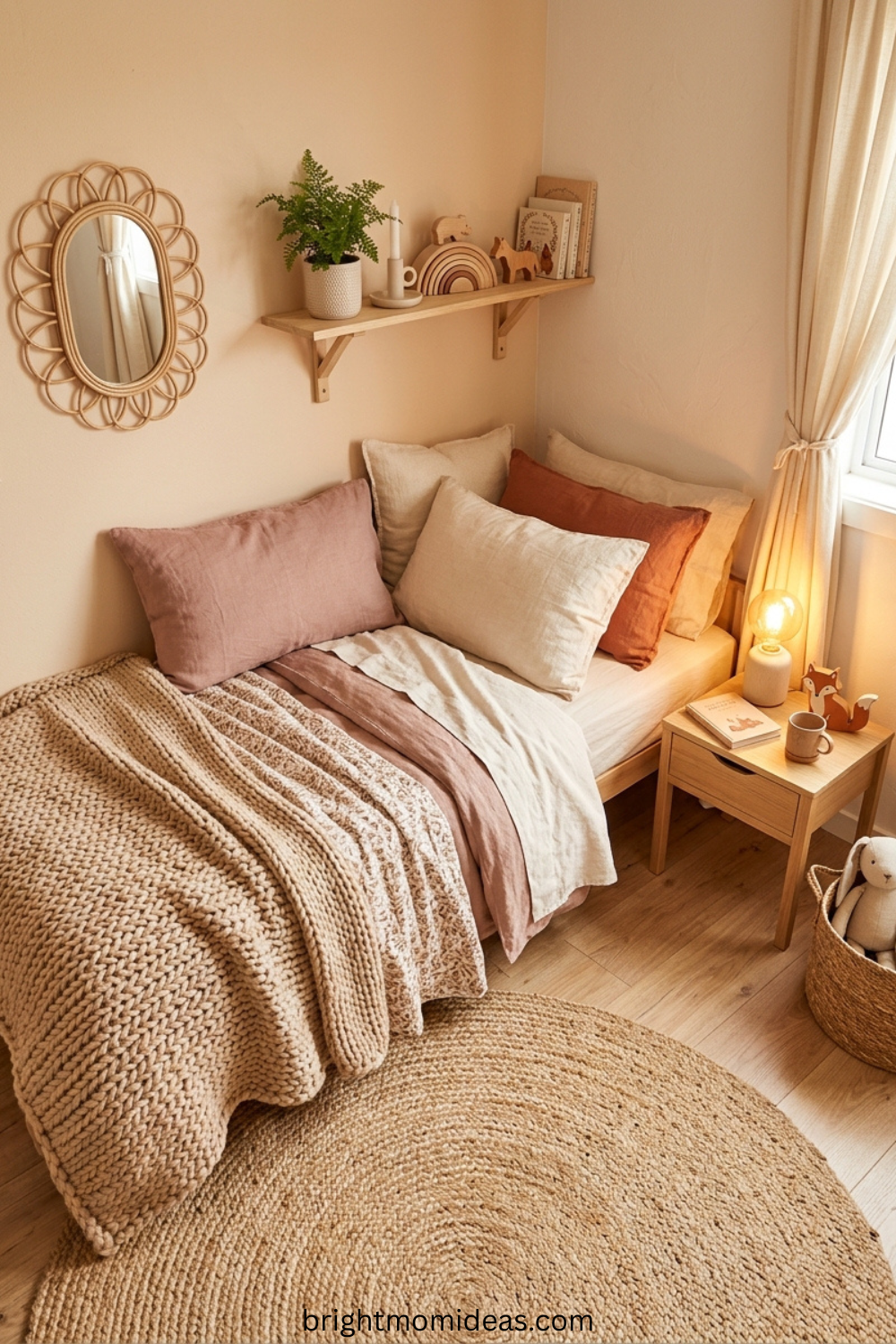
If I had to pick one warm palette that works for every single age group, it would be this one. Soft peach and cream is gentle, soothing, and endlessly versatile. It feels like a warm sunset in your child’s room — peaceful and beautiful.

Peach has this wonderful quality of being warm without being too intense. It doesn’t demand attention, but it adds a lovely softness to the space that feels intentional and cozy.

How to style it:

  • Paint walls in a soft peach or warm cream shade
  • Choose light natural wood furniture — pine or oak work beautifully
  • Layer cream and white bedding with a peachy throw blanket
  • Add woven baskets for storage — they enhance the warmth naturally
  • Hang warm fairy lights for a dreamy glow at bedtime

Best for: Nurseries, toddler rooms, and young children’s bedrooms.

2. Mustard Yellow and Warm White — Cheerful and Bright

Mustard yellow might sound bold, but when you pair it with warm white, it becomes something truly special. It’s sunny and cheerful without being overwhelming — like a happy little burst of energy in the room.

This is one of my absolute favorite palettes for creative kids. Yellow is known to stimulate the mind and encourage positivity, and mustard specifically has that earthy richness that keeps it from feeling too juvenile. It’s a color your child can genuinely grow with.

How to style it:

  • Use warm white on three walls and add a mustard yellow accent wall behind the bed
  • Choose natural wooden shelves and furniture
  • Add a beige or cream rug to ground the space
  • Incorporate animal-themed or nature-inspired decor
  • Keep bedding simple — white or cream with mustard cushion accents

Best for: Toddlers aged 3–7 and creative, playful kids.

3. Terracotta and Beige — Earthy and Grounding

Terracotta is having a major moment in interior design right now — and honestly, I think it’s here to stay. This rich, earthy tone has a warmth that feels grounded and calm. In a kids room, it creates a space that feels both stylish and incredibly cozy.

The key with terracotta is not to overdo it. Use it as an accent — one feature wall, or through decor pieces like cushions, rugs, and artwork — and let beige do the heavy lifting as your base.

How to style it:

  • Paint one feature wall in terracotta and keep remaining walls beige or cream
  • Add rattan or wicker decor pieces for a natural, boho feel
  • Choose light oak furniture to keep the space airy
  • Layer warm-toned curtains in linen or cotton
  • Add a terracotta throw or cushion on the bed for continuity

Best for: Shared sibling rooms, older kids aged 6–12, and gender-neutral spaces.

warm-kids-room-color-palette-ideas.jpg

4. Coral and Soft Gray — Lively and Modern

If you want a warm palette with a modern edge, coral and soft gray is a stunning combination. Coral is vibrant and energizing — it brings life and personality to a space. And when you balance it with a soft warm gray, the result is fresh, contemporary, and beautifully balanced.

This palette works especially well if you want the room to feel lively during the day but still calm enough for bedtime. Coral wakes the space up; gray brings it back down.

How to style it:

  • Use soft warm gray on walls as your base
  • Introduce coral through bedding, cushions, and wall art
  • Choose white furniture to keep things light and fresh
  • Add gold or brass accents for a touch of warmth and sophistication
  • Layer colorful cushions in complementary warm tones

Best for: Girls’ rooms, gender-neutral spaces, and kids aged 5 and up.

warm-kids-room-color-palette-ideas.jpg

5. Blush Pink and Warm Taupe — Soft, Elegant, and Timeless

Blush pink is one of those colors that just never gets old. It’s soft without being saccharine, feminine without being overwhelming, and calming in a way that genuinely supports sleep and relaxation. Pair it with warm taupe and you have one of the most elegant combinations possible for a child’s bedroom.

What I love most about this palette is how long it lasts. You won’t feel the need to redecorate every few years because blush and taupe are truly timeless. As your child grows, you simply update the decor accessories while keeping the walls exactly as they are.

How to style it:

  • Paint walls in a soft blush or warm taupe — either works as the dominant shade
  • Choose white or natural wood furniture
  • Layer soft bedding in blush, cream, and dusty rose shades
  • Add a taupe or natural fiber rug
  • Use warm white bulbs — they make blush look softer and taupe look richer
  • Add fairy lights for a magical bedtime glow

Lighting tip: Always use warm white light bulbs in this palette. Cool blue lighting will completely change how blush pink looks on the walls — and not in a good way.

Best for: Nurseries, toddler rooms, and girls’ bedrooms of all ages.

6. Burnt Orange and Cream — Bold, Creative, and Warm

Burnt orange is for the child who has a big personality. It’s deeper and moodier than bright orange, with an earthy richness that adds real character to a space. When you balance it with cream, the result is surprisingly cozy and sophisticated — not loud at all.

The key is restraint. Don’t paint all four walls burnt orange. Instead, use it on a single feature wall and let cream do the rest. This approach gives you that gorgeous warmth and personality without making the room feel heavy or overwhelming.

How to style it:

  • One burnt orange feature wall behind the bed or reading nook
  • Cream walls on the remaining three sides
  • Light wooden furniture — the natural grain pairs beautifully with orange
  • Cream bedding with burnt orange cushion accents
  • Woven baskets and rattan decor for texture
  • Warm white fairy lights to enhance the orange’s richness at night

Best for: Creative and adventurous kids, gender-neutral rooms, and children aged 5 and up.

7. Warm Rainbow — Playful Without Being Loud

A rainbow theme doesn’t have to mean bright, saturated primary colors. A warm rainbow palette uses muted, earthy versions of each hue — dusty orange, soft mustard, warm blush, sage green, and cream. The result is playful and joyful without being chaotic.

This is a wonderful palette for children who love color and creativity. It stimulates imagination while still feeling harmonious and easy to live with.

How to style it:

  • Use warm white or cream as your base wall color
  • Paint a soft muted rainbow mural above the bed or on one wall
  • Choose rainbow-toned bedding in dusty, muted shades rather than bright primaries
  • Add colorful bookends, toy storage, and wall art in warm tones
  • Keep furniture neutral — white or natural wood

Best for: Toddlers and kids aged 3–8 who love color and storytelling.

8. Warm Neutral Minimalist — Pinterest-Perfect and Peaceful

If you love those perfectly curated, aesthetic kids rooms you see all over Pinterest, this is the palette for you. Warm neutrals — beige, cream, soft sand, light wood tones, and a hint of mustard or peach — create a space that feels effortlessly beautiful and incredibly calm.

The magic of minimalist warm neutrals is in the textures. The palette itself is quiet, so texture is what gives the room personality and depth.

How to style it:

  • Warm beige or soft cream walls
  • Light wood furniture — keep it simple and clean-lined
  • Layer textures: knit blankets, linen cushions, woven rugs, macramé wall hangings
  • Add just one warm accent — a mustard yellow cushion or a peach throw
  • Keep decor minimal and intentional — less is truly more here

Best for: All ages, especially if you want a room that grows with your child and never feels outdated.

A minimalist warm neutral kids bedroom featuring soft beige walls with a smooth matte finish

How to Balance Warm Colors Without Overwhelming the Room

One question I hear all the time is: “How do I use warm colors without making the room feel too intense or closed in?” Here’s my simple approach:

Choose One Hero Color

Pick one warm shade as your main color. This is usually best on a single feature wall or through major decor items like bedding and rugs. Everything else supports it.

kids room color palletes

Use Neutral as Your Base

Cream, beige, or warm white on the majority of walls keeps the room feeling light and airy. Neutrals give warm accents room to breathe.

Bring in Natural Materials

Wood, rattan, linen, cotton, and jute naturally enhance warm tones. They add texture and depth without adding more color.

Layer Your Textures

A layered room always feels more intentional and cozy. Mix a soft rug with textured cushions, a knit blanket, and fabric curtains. The layers make the warm palette feel rich rather than flat.

Get Your Lighting Right

Always use warm white light bulbs in a warm-toned room. Cool or daylight bulbs will fight against your palette and make the colors look completely different from what you intended.

Best Warm Colors by Age Group

Nursery (0–2 Years)

Stick to the softest, most gentle warm tones: blush pink, soft peach, warm cream, and pale beige. Babies are sensitive to stimulation, and these shades create a calming, nurturing space perfect for sleep and early development.

Toddlers (3–6 Years)

Toddlers love color and stimulation! Mustard yellow, coral, terracotta, and warm rainbow palettes work beautifully at this age. These shades support play, curiosity, and creativity while still feeling warm and safe.

Older Kids (7–12 Years)

As kids grow, they often develop stronger opinions about their space. Burnt orange, earthy beige, warm neutral minimalist, and coral with gray are all sophisticated enough to feel “grown up” while still maintaining that cozy warmth.


Warm Colors for Small Kids Rooms

If your child’s room is on the smaller side, don’t be afraid of warm colors — just be strategic about which ones you choose.

  • Choose light warm tones: soft peach, blush, and warm cream open up a space rather than closing it in
  • Use warm white on the walls and introduce color through bedding, cushions, and decor
  • Keep furniture light — natural wood or white pieces prevent the room from feeling heavy
  • Add a large mirror to reflect light and make the space feel more open
  • Avoid painting all four walls in a deep warm shade like terracotta or burnt orange in a small room

Light warm tones are genuinely magical in small spaces. They make a room feel like a cozy cocoon rather than a cramped box.


Frequently Asked Questions

What are the best warm colors for a kids room?

The best warm colors for a kids room include soft peach, mustard yellow, terracotta, blush pink, coral, burnt orange, and warm cream. These shades create a cozy, cheerful, and nurturing environment perfect for children of all ages.

Are warm colors good for a child’s bedroom?

Yes! Warm colors like peach, blush, and mustard promote happiness, creativity, and a sense of safety. Softer warm tones are especially good for nurseries and toddler rooms as they create a calming and comforting atmosphere without overstimulating young minds.

What warm color palette is best for a small kids room?

For small kids rooms, light warm shades work best — think soft peach, warm white, or blush pink. These shades open up the space visually. Avoid dark warm tones like deep terracotta on all four walls as they can make a small room feel smaller and more enclosed.

Can I use terracotta in a kids bedroom?

Absolutely! Terracotta is a trendy and beautiful choice for kids rooms. Use it on a single accent wall and pair it with beige, cream, and light wood furniture to keep the space feeling warm and balanced rather than heavy or overwhelming.

What colors work with mustard yellow in a kids room?

Mustard yellow pairs beautifully with warm white, beige, cream, soft gray, and natural wood tones. You can also add touches of blush or terracotta as accent colors for a layered, Pinterest-worthy look that feels curated and intentional.

How do I balance warm colors without making the room feel overwhelming?

The key is to choose one main warm color and use neutral shades — like cream, beige, or warm white — as your base. Add warm accents through bedding, cushions, rugs, and decor rather than painting all walls in bold tones. Natural materials like wood and rattan also help balance the palette beautifully.

What is the best warm color palette for a nursery?

For nurseries, the gentlest warm tones work best: blush pink, soft peach, warm cream, and pale beige. These shades are soothing and promote restful sleep while keeping the space feeling warm and welcoming for both baby and parents.


Warm colors have this incredible ability to transform a kids room from just a bedroom into a real haven — a space where your child feels safe, happy, and at home. Whether you fall in love with the softness of peach and cream, the cheerfulness of mustard yellow, or the earthy richness of terracotta, there’s a warm palette here for every child and every style.

kids room color paletes

Ready to bring your warm color vision to life? Start with a solid plan! Our Free Kids Room Budget Planner helps you organize every purchase — so you can create the cozy, beautiful room your child deserves without any budget surprises. 💛 👉 [Try It Free]

The most important thing is to trust your instincts. You know your child better than any design guide ever could. Choose colors that make both of you happy, balance them with natural neutrals and textures, and don’t be afraid to start small with accessories before committing to a full paint job.

If you’re looking for more inspiration, check out these cute and colorful kids bedroom ideas and small kids room ideas for even more creative ways to design a space your child will absolutely love.

Happy decorating, mama! 🧡


Affiliate Disclosure: This post contains affiliate links. As an Amazon Associate, I earn from qualifying purchases at no extra cost to you. I only recommend products I genuinely love and believe will add value to your home. Thank you for supporting Bright Mom Ideas — it helps me keep creating free content for you! 🧡

Budget-Friendly Ramadan Home Décor Ideas for Kids

Ramadan is a beautiful time to teach children about faith, kindness, and gratitude. Decorating your home for Ramadan can make the month even more exciting for kids—but many parents worry that decorating will be expensive or overwhelming. The good news is that you don’t need a big budget to create a joyful, meaningful, and kid-friendly Ramadan atmosphere at home.

With a little creativity, simple materials, and thoughtful planning, you can create budget-friendly Ramadan home decor ideas for kids that are fun, educational, and easy to manage—even in small apartments. These ideas focus on affordability, safety, and involvement, so children feel connected to the spirit of Ramadan.

Let’s explore practical and creative ways to decorate your home for Ramadan without overspending.

Why Ramadan Decor for Kids Matters

Children learn best through experience. When they see Ramadan reflected in their surroundings, they become more engaged and excited about the month.

 Ramadan Decor for Kids

Kid-friendly Ramadan décor helps:

  • Build positive memories around Ramadan
  • Teach Islamic values in a fun way
  • Encourage participation in fasting, prayer, and good deeds
  • Create a warm family atmosphere

Most importantly, it shows children that Ramadan is joyful—not stressful or complicated.

Create a Simple Ramadan Corner for Kids

A Ramadan corner is one of the easiest and most affordable decor ideas. Choose a small area in the living room or a corner of your child’s room.

KIDS RAMZAN DECOR FOR KIDS

You can include:

  • A small prayer mat
  • A basket for tasbih and books
  • A paper lantern or LED candle
  • A simple “Ramadan Mubarak” sign

This space becomes special for kids and doesn’t require expensive decor items.


DIY Ramadan Wall Decorations

DIY decorations are perfect for budget-friendly homes and are a great way to involve kids.

Easy DIY ideas:

  • Crescent moon and star cutouts
  • Paper lanterns
  • Printable Ramadan banners
  • Simple calligraphy prints
diy WALL DECOR

Use colored paper, cardboard, or recycled materials. Let kids help cut, color, and decorate—this turns decor into a meaningful activity.

Ramadan Countdown Chart (Kids Love This!)

A Ramadan countdown chart is one of the most exciting decor elements for children.

You can create:

  • A paper chain with 30 loops
  • A poster with numbered days
  • A chalkboard countdown

Each day, kids remove a loop or mark a day, helping them understand the passage of Ramadan while staying motivated.

Budget-Friendly Ramadan Lights

Lighting instantly creates a magical Ramadan atmosphere. For kids, lights make the experience feel special.

Affordable lighting ideas:

  • Fairy lights
  • Battery-operated LED candles
  • Small lanterns
RAMADAN DECOR LIGHTS
https://uk.pinterest.com/brightmomideas/

https://amzn.to/4qLVZ1F

Use lights around the Ramadan corner, windows, or shelves. Always choose safe, child-friendly lighting options.

Kids’ Ramadan Activity Wall

Instead of buying expensive decor, create an interactive activity wall.

Ideas include:

  • Good deeds chart
  • Prayer tracker
  • Dua of the day card
  • Simple Islamic reminders

This approach combines decoration with learning and keeps children engaged throughout the month.

kids Ramadan deeds chart

Simple Kids-Friendly Iftar Table Decor

Kids love being involved in iftar preparation. A simple table setup can make them feel included.

 kids Ramadan table décor

Budget table decor ideas:

  • A small table runner
  • Paper placemats with Islamic designs
  • A lantern or candle centerpiece
  • A plate of dates arranged nicely

Let kids help set the table—it becomes part of the Ramadan routine.

Teach Giving Through Decor

Ramadan is about generosity. Create a charity or sadaqah box as part of your décor.

Use:

  • A decorated jar or box
  • Stickers and drawings by kids

This teaches children the value of giving while also serving as a meaningful decor element.

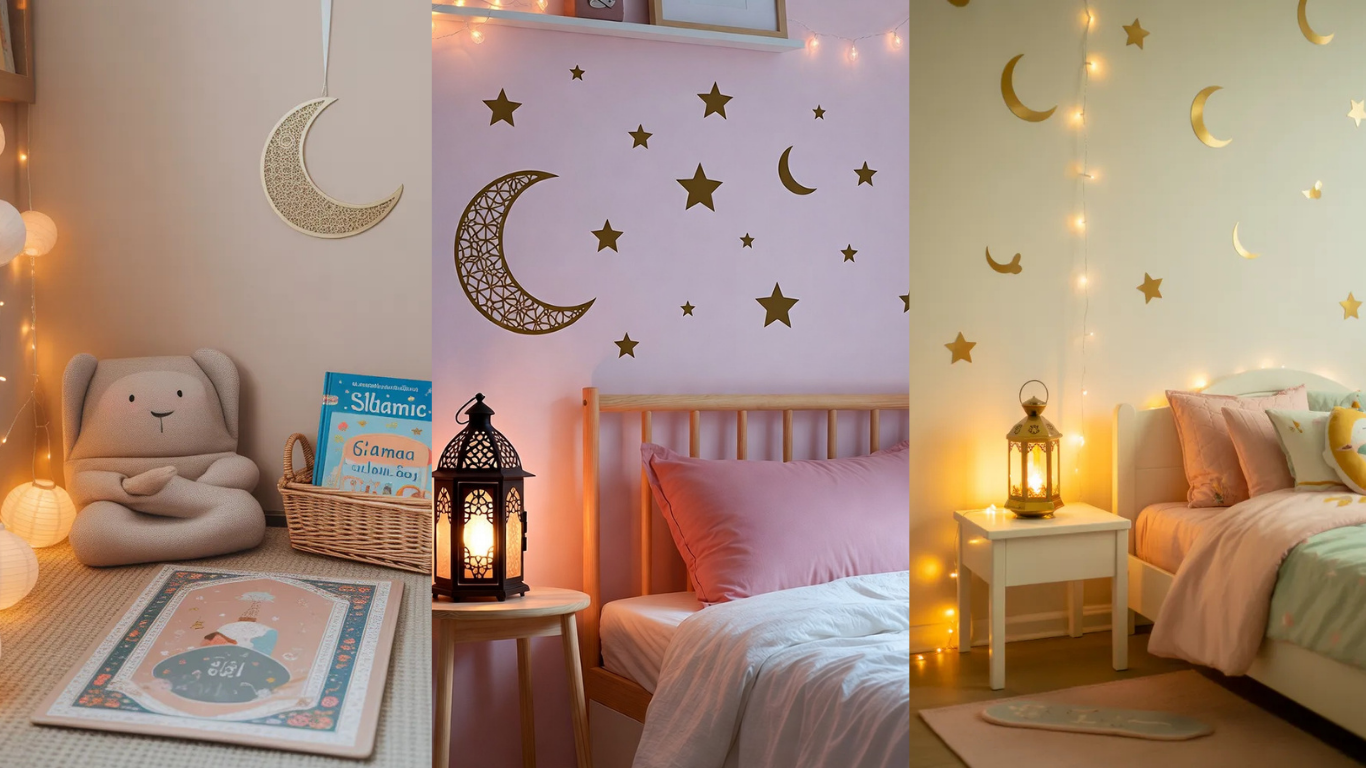
Decorate Kids’ Room with Small Touches

You don’t need to fully redecorate your child’s room. Small Ramadan touches are enough.

Ramzan decor for kids

Check on Amazon

https://amzn.to/3OoYCsH

Ideas include:

  • A Ramadan banner above the bed
  • Star and moon stickers
  • A small lantern on the nightstand
  • Islamic bedtime dua cards

These simple additions make kids feel special without cluttering their space.

Keep Decor Simple and Clutter-Free

The goal of Ramadan decor is not perfection—it’s peace.

Avoid overcrowding rooms. Choose a few meaningful pieces instead of many decorations. A calm home helps children feel relaxed and focused during Ramadan.

Make Decor Part of the Ramadan Routine

The best decor is decor that’s used daily.

Let kids:

  • Update the countdown
  • Rearrange the Ramadan corner
  • Add new crafts weekly

This keeps excitement alive throughout the month without extra spending.

Creating budget-friendly Ramadan home decor ideas for kids doesn’t require expensive shopping or large spaces. With creativity, DIY projects, and simple touches, you can design a joyful Ramadan environment that children will remember for years.

The most important element of Ramadan decor is intention—when kids feel involved, loved, and included, the spirit of Ramadan naturally fills the home.

May your home be filled with light, learning, and happiness this Ramadan 🌙✨

http://www.youtube.com/@brightmomideas


Very Small Kids Bedroom Ideas That Are Cute & Colorful

small kids' bedroom

Designing a kids’ bedroom is one of the most fun things a mom gets to do — but when the room is tiny, it can also feel like a puzzle. The great news? Very small kids bedroom ideas are trending big on Pinterest and Google right now, because parents everywhere are proving that a small room can still be an absolutely magical space.

Whether you’re starting from scratch or giving an existing room a fresh look, this post is packed with cute, colorful, and budget-friendly ideas to help you create a bedroom your child will absolutely love.

small kids' bedroom

Why Colorful Design Works in Small Kids’ Bedrooms

Many parents worry that bold colors will make a small room feel even smaller. But when done right, color actually brings life, energy, and personality to compact spaces — making them feel fun rather than cramped.

A rainbow kids bedroom storage

The secret is balance:

– Use light walls as a neutral base
– Add color through bedding, bins, rugs, and wall art
– Pick one or two accent colors and repeat them throughout the room

With this approach, even the smallest bedroom can feel cheerful, stylish, and full of personality.

1.Rainbow-Themed Kids Bedroom

A rainbow theme instantly brings happiness into any child’s space. Soft pastels work for a dreamy look, while bold rainbow tones bring high energy and excitement — both look stunning in small rooms.

 How to Create a Rainbow Kids Bedroom

– Rainbow wall decals or a mural on one accent wall
– Multi-colored bedding with rainbow stripes or arches
– Neutral white or grey furniture to let the colors shine
– Rainbow storage bins that are both decorative and functional

This is one of the most-saved Pinterest kids bedroom ideas because it’s cheerful, gender-neutral, and works for all ages. It’s also one of the easiest very small kids bedroom ideas to pull off on a budget.

small kids' bedroom

5L-Small Plastic Storage Box Bin

Check Price on Amazon

2.Pastel Color Kids Bedroom

Pastel shades create a calm, dreamy atmosphere that feels both playful and soothing — perfect for a child’s sleep space. Pastel bedrooms also photograph beautifully, making them one of the top-performing themes on Pinterest.

Best Pastel Colors for a Small Kids’ Bedroom

– Mint green — fresh and calming
– Blush pink — soft and sweet
– Lavender — dreamy and gentle
– Baby blue — clean and airy

Design tip: Use one pastel as your main wall color and bring in two others through textiles and accessories. This keeps the room cohesive without feeling overwhelming.

pholstered Single Bed

Check Price on Amazon

3. Animal-Themed Colorful Bedroom

Animal-themed bedrooms are both adorable and educational — a win for parents and kids alike. This theme works especially well for toddlers and preschoolers who are naturally drawn to animals.

Animal Theme Decor Ideas for Kids

– Safari or woodland animal wall art — framed prints or large wall decals
– Animal-shaped pillows — great for adding texture and fun
– Earthy tones mixed with bright accents — think terracotta, sage green, and warm yellow
– Stuffed animal storage — use wall-mounted hammocks or corner baskets to display them

Animal-themed rooms are a timeless favorite in cute kids’ bedroom décor and never go out of style.

4. Colorful Wall Decals for Kids Rooms

Wall decals are one of the smartest very small kids bedroom ideas on this list — they add huge visual impact with zero commitment and minimal cost. Perfect for renters or moms who love to refresh the room every year or two.

Popular Wall Decal Ideas for Kids’ Rooms

– Stars and clouds — works beautifully with any color palette
– Flowers and butterflies — sweet for girls’ rooms
– Cars, dinosaurs, or robots — great for boys’ rooms
– Alphabet or number decals — educational and decorative

Decals are easy to apply, easy to remove, and available on Amazon and Etsy for very affordable prices. A set of decals can completely transform a small room in under an hour.

5. Bright Bedding for a Fun Bedroom Look

If you want to refresh a kids’ bedroom quickly and affordably, *start with the bedding*. A bright, playful duvet or comforter can become the focal point of the entire room without any painting or renovation.

Best Kids Bedding Choices for Colorful Small Rooms

– Bold patterned comforters — geometric prints, polka dots, or stripes
– Character-inspired bedding — let your child choose their favorite theme
– Color-blocked quilts — modern and eye-catching
– Reversible duvet covers — two looks for the price of one

This is hands-down one of the easiest and most affordable kids bedroom makeover ideas that delivers instant results.

Bright Bedding for a Fun Bedroom Look

6. Space-Themed Kids Bedroom

A space theme fuels imagination, sparks curiosity, and looks absolutely stunning in a small room. The dark backgrounds with glowing stars actually make a small room feel larger and more dramatic — like gazing into the night sky.

Space-Themed Kids Bedroom

How to Design a Space-Themed Room for Kid

– Galaxy wallpaper or dark navy blue walls on one accent wall
– Glow-in-the-dark stars on the ceiling — kids go absolutely wild for these
– Planet and rocket décor — wall art, pillows, or a statement lamp
– Silver and white accents for a stellar, polished look

Though traditionally popular for boys, the space theme is loved by all kids and makes an incredible very small kids bedroom idea when done with the right lighting.

Space-Themed Kids Bedroom

7. Princess-Inspired Colorful Bedroom

Princess bedrooms remain one of the most-searched kids’ bedroom themes year after year — and for good reason. They’re magical, personal, and can be tailored to any budget.

 Princess-Inspired Colorful Bedroom

Princess Room Decor Ideas for Small Bedrooms

– Canopy above the bed — a simple sheer canopy transforms any bed into a royal throne
– Fairy lights — draped above the bed or around the window for a magical glow
– Wall decals of tiaras, castles, or magical creatures
– Regal rugs with floral or star patterns
– Personalized name plaque in a decorative royal font

 Princess-Inspired Colorful Bedroom

Smart Storage for a Princess Room

– Colorful toy bins with jewel or crown motifs — decorative and practical
– Open shelves styled with fairy-tale books and plush toys
– Under-bed drawers for costumes and seasonal clothes
– A small dress-up corner with a mini wardrobe rail — kids absolutely love this

     Princess-Inspired Colorful Bedroom

    8. Colorful Kids Bedroom with Storage Solutions

    A cute room still needs to be functional — especially in a small space. The best very small kids bedroom ideas combine beautiful design with smart, practical storage so the room stays tidy and usable every day.

    A cute room still needs to be functional — especially in a small space. The best very small kids bedroom ideas combine beautiful design with smart, practical storage so the room stays tidy and usable every day.

    Color Palette for a Colorful Storage-Smart Bedroom

    Mix pastel tones (mint, blush, lavender) with *bold accents* (sunny yellow, teal, coral)
    – Keep walls neutral — white or light grey — so colorful accents pop
    – Use coordinating colors across bins, baskets, and shelves for a pulled-together look

    Colorful Kids Bedroom with Storage Solutions

    Best Storage Solutions for Small Kids’ Bedrooms

    – Clear or fabric bins in coordinated colors for toys
    – Open cube shelving with labeled baskets for books and art supplies
    – Under-bed drawers for seasonal storage or extra bedding
    – Wall-mounted cubbies for small collectibles, trophies, or LEGO builds
    – Over-door organizers for shoes, accessories, or craft supplies

    When storage is colorful and organized, kids are far more likely to keep their room tidy — and the room looks intentionally decorated rather than cluttered.

    9. Small Kids Bedroom with Bright Colors

    You don’t need to go full rainbow to add color to a small kids’ bedroom. Sometimes, one or two well-chosen accent colors are all it takes to make a big impact.

    Bright Accent Color Ideas for Small Kids’ Rooms

    – Sunny yellow — energetic and cheerful, perfect paired with white walls
    – Coral or orange — warm and playful, great for creative kids
    – Teal or turquoise — vibrant yet calming, works for boys and girls
    – Lime green — fresh and fun, pairs well with natural wood furniture

    Pick your child’s favorite color and use it consistently across bedding, storage bins, a rug, and one or two wall accessories. Repetition makes even a tiny room feel cohesive and beautifully designed.

    10. Nature-Inspired Kids Bedroom

    Nature themes are having a major moment in kids’ bedroom design right now — and they’re one of the most versatile very small kids bedroom ideas on this list. From forest to floral to tropical, there’s a nature theme for every child’s personality.

    DIY Colorful Kids Bedroom Décor

    Nature Theme Ideas for Kids’ Bedrooms

    – Leaf and botanical wall prints in soft greens and earthy tones
    – Woodland animal accents — foxes, owls, deer, and hedgehogs
    – Natural materials like rattan baskets, wooden shelves, and linen bedding
    – Potted plants or a small terrarium — even fake plants add a beautiful natural touch
    – Cloud or tree murals painted directly on the wall

    Nature-themed rooms feel calm, grounding, and timeless — they grow with your child from toddlerhood through the early school years.

    DIY Colorful Kids Bedroom Décor

    Quick Tips to Make Any Small Kids’ Bedroom Feel Bigger

    No matter which theme you choose, these simple tricks will help any small room feel more spacious:

    Small kids bedroom ides

    Design Tricks for Small Kids’ Bedrooms

    – Use mirrors — a mirror on the wall or wardrobe door reflects light and doubles the visual space
    – Choose furniture with legs — raised furniture creates an airy feel rather than a heavy, cramped look
    – Keep the floor clear — wall-mounted and vertical storage keeps floor space open for play
    – Use consistent colors — too many colors in a small room feel chaotic; stick to a palette
    – Maximize natural light — use sheer curtains instead of heavy drapes to keep the room bright

    Final Thoughts: Small Room, Big Dreams

    A small kids’ bedroom is a blank canvas full of possibility. With the right color palette, a playful theme, and smart storage, even the tiniest room can become a space your child truly loves and feels proud of.

    Small kids bedroom ideas

    Start with one idea that excites you — and one that excites your child. Because the best very small kids bedroom ideas are always the ones that reflect the little person who lives there.

    Pro Tip: Let your child pick their favorite theme or color. When kids are involved in decorating, they feel a sense of ownership — and they’re far more likely to keep their room tidy!


    Loved these very small kids bedroom ideas? Save this post to your Pinterest board and share it with a fellow mom who’s decorating her little one’s room!

    Kids Room Organization Ideas for Small Rooms

    kids room organization ideas for small rooms

    Kids Room Organization Ideas for Small Rooms

    Organizing a kids’ room can feel overwhelming — especially when the space is small. Toys, books, clothes, and school supplies can quickly turn a tiny room into a chaotic mess. But here’s the good news: with the right kids room organization ideas for small rooms, even the tiniest space can become clean, functional, and fun.

    In this post, you’ll find practical, budget-friendly storage ideas that really work — tested by real moms for real kids.

    kids room organization ideas for small rooms

    Why Small Kids’ Rooms Need Smart Organization

    Small rooms are not a problem — they just need a smarter system. When a kids’ room is well-organized:

    – Kids feel calmer and more focused
    – Clean-up time becomes faster and easier
    – The room feels bigger and more welcoming
    – Parents spend less time picking up after kids

    The key is to work with the space you have, not against it.

    Kids Room Organization Ideas for Small Rooms

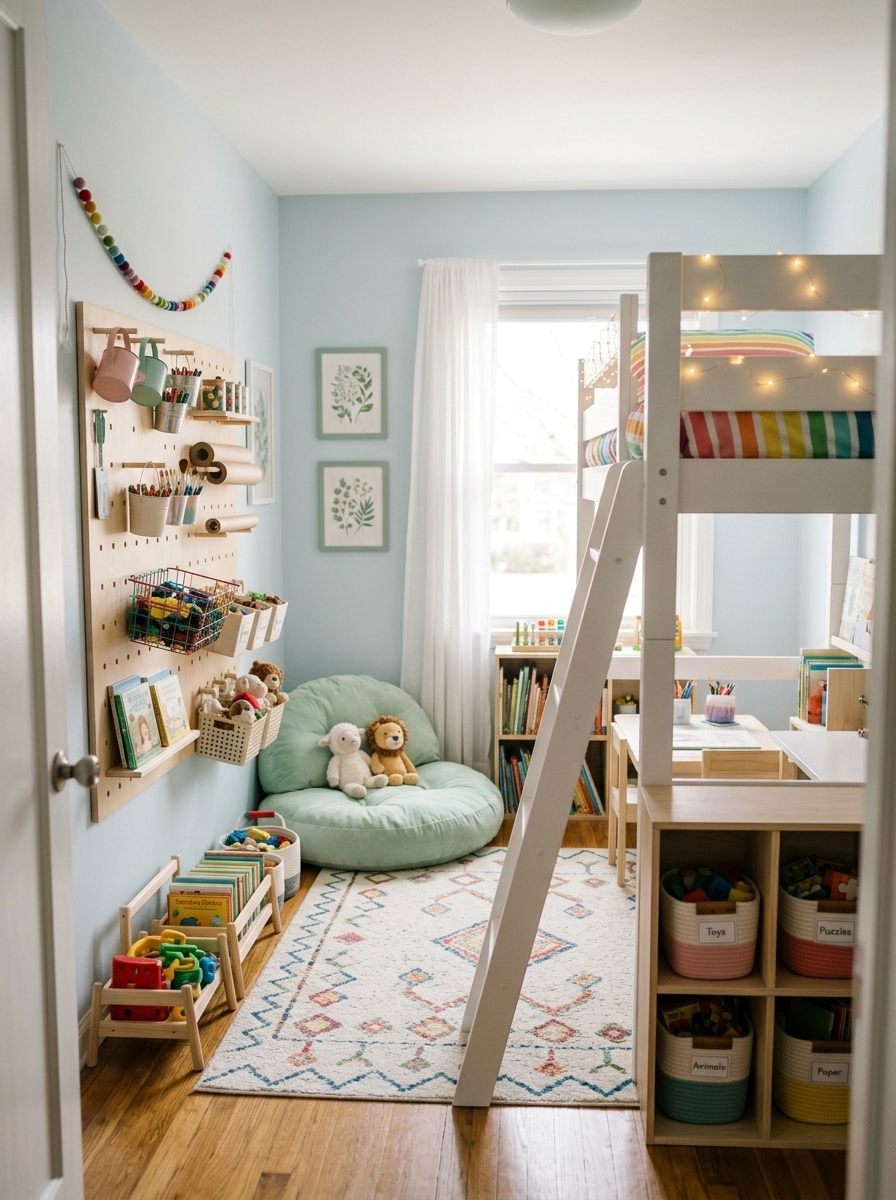
    1. Maximize Vertical Space in a Small Kids’ Room

    When floor space is limited, your walls are your best friend. Going vertical is the smartest way to add storage without making the room feel crowded.

    Best Vertical Storage Ideas for Kids

    – Wall-mounted shelves — perfect for books, small toys, and decorative bins
    – Hanging door organizers — great for shoes, art supplies, or small accessories
    – Pegboards — customizable and easy for kids to use independently
    – Floating corner shelves — use dead corner space smartly

    Kids Room Organization Ideas for Small Rooms

                               Pegboard for kids storage

                              Check Price on Amazon                       

    💡 Mom Tip: Mount shelves at your child’s height so they can reach their things — this encourages independence and tidiness!

    2. Choose Multi-Functional Furniture

    In a small room, every piece of furniture must earn its spot. Multi-functional furniture does double (or triple!) duty, saving precious floor space.

    Kids Room Organization Ideas for Small Rooms

    Top Multi-Functional Furniture Picks for Small Kids’ Rooms

    – Beds with built-in drawers — replaces the need for a separate dresser
    Storage ottomans or benches — seating + toy storage in one
    – Loft beds with a desk underneath — creates a study and sleep area in one footprint
    – Toy chests with flat tops — can double as a small table or seat

    Kids Room Organization Ideas for Small Rooms

    This is one of the most effective kids room organization ideas for small rooms because it eliminates the need for extra furniture entirely.

     3. Use Clear and Open Toy Storage Systems

    Kids are naturally more organized when they can actually see where things go. Clear and open storage removes the guesswork and makes clean-up feel easy — even for toddlers.

    Kids Room Organization Ideas for Small Rooms

    5L-Small Plastic Storage Box Bin

    Check Price on Amazon

    Kid-Friendly Storage Ideas That Work

    – Clear plastic bins — kids see exactly what’s inside without digging
    – Open cube shelves — easy to access, easy to put back
    – Labeled baskets — add picture labels for young kids who can’t read yet
    – Low toy bins — keep them at floor level so kids can help themselves

    Kids Room Organization Ideas for Small Rooms

    When storage is simple and visible, kids are far more likely to maintain it on their own.

     4. Create Simple Activity Zones

    Even in a tiny room, defining zones makes a big difference. Zones tell your child: “This is where we play. This is where we sleep. This is where we read.”

    3 in 1 Kids Sofa Bed

    Check Price on Amazon

    Easy Zone Ideas for Small Kids’ Rooms

    – Reading nook — a corner with a small bookshelf, cushion, and good lighting
    – Play zone — a rug that defines the play area with toy bins nearby
    – Sleep zone — keep this area calm, minimal, and free from toys
    – Homework/art corner — a small desk or fold-down wall desk works great

    Kids Room Organization Ideas for Small Rooms

    Zones don’t require physical dividers — even a rug or a shelf can signal where one zone ends and another begins.

    pholstered Single Bed

    Check Price on Amazon

    5. Rotate Toys to Reduce Clutter

    Here’s a secret that experienced moms swear by: you don’t need all the toys out at once.

    Kids Room Organization Ideas for Small Rooms

    Toy rotation is a game-changing organization strategy for small kids’ rooms. Here’s how it works:

     How to Start Toy Rotation

    1. Divide toys into 2–3 equal groups
    2. Keep one group accessible in the room
    3. Store the other groups in labeled boxes in a closet or under the bed
    4. Rotate every 2–4 weeks

    Benefits of toy rotation:
    – Less visual clutter in the room
    – Old toys feel exciting and new again
    – Kids focus better with fewer choices
    – Clean-up takes half the time

    Colorful toy storage bins neatly arranged in a wooden organizer against pastel pink and mint walls in a kids’ room, with a soft teddy bear sitting on the floor beside the bins and sunlight streaming through a sheer curtain.

    6. Keep Decor Simple and Light

    Too much decor in a small kids’ room adds visual clutter and makes the space feel chaotic. A simple, light design actually makes the room feel bigger and easier to keep tidy.

    Kids Room Organization Ideas for Small Rooms

     Small Room Decor Tips for Kids

    – Choose light wall colors like white, soft yellow, or pale blue to open up the space
    – Add personality through colorful bins, rugs, and a few wall prints — not heavy furniture
    – Keep surfaces like dressers and desks mostly clear
    – Use mirrors to create the illusion of more space

    7. Make Use of Under-Bed Storage

    The space under a bed is prime real estate in a small room. Don’t let it go to waste!

    kids room organization ideas for small rooms


     Under-Bed Storage Ideas for Kids’ Rooms

    – Rolling storage drawers — easy for kids to pull in and out
    – Flat storage bins with lids — great for seasonal clothes or extra bedding
    – Bed risers — raise the bed slightly to create even more storage height
    – Vacuum storage bags — compress bulky items like winter clothes

    This is one of the most underused kids room organization ideas for small rooms and can instantly free up closet and shelf space.

    8. Organize the Closet Smartly

    A well-organized closet can do the heavy lifting in a small kids’ room, freeing the main space for play.

     organized small kids closet

    Kids’ Closet Organization Tips

    Add a second hanging rod at child height for their own clothes
    – Use shelf dividers to keep folded items neat
    – Install door-mounted organizers for shoes, accessories, or small toys
    – Use clear shoe boxes for small toy collections

    Final Thoughts: Small Room, Big Possibilities

    A small kids’ room doesn’t have to feel cramped or chaotic. With smart storage, multi-functional furniture, and simple zone-based systems, you can create a space your child loves — and one that’s actually easy to maintain.

    Start with one idea from this list and build from there. Small changes add up quickly, and before you know it, your little one will have a room that works beautifully for both of you.

    Pro Tip: Involve your child in the organizing process! When kids help set up their own systems, they’re far more likely to keep things tidy — and they’ll feel proud of their space.


    Did you find these kids room organization ideas for small rooms helpful? Save this post to Pinterest and share it with a fellow mom who needs it!