Japandi Entryways That Make Minimalism Feel Warmer Not Colder

Japandi Entryways That Make Minimalism Feel Warmer, Not Colder

How to design an entryway that greets you with calm, warmth, and genuine intention — every single time you walk through your door.


Your entryway is the first thing you see when you come home.

Not your living room. Not your kitchen. The entryway. That small transitional space between the world outside and the life you have built inside. And most entryways in American homes are either completely ignored — a blank wall, a random chair, a pile of shoes by the door — or over-decorated in a way that feels busy and slightly stressful rather than welcoming.

Japandi entryway design fixes both of those problems at the same time.

It gives the space enough to make it feel intentional and beautiful. But it never gives it so much that walking in feels like sensory overload. The result is an entryway that genuinely greets you — warmly, quietly, and every single day.

If you have been drawn to the Japandi aesthetic in other rooms of your home and wondering how to bring it into your entryway, this guide covers everything you need — from the furniture choices and material palette down to the small details that make the whole thing feel considered rather than styled.


Why Most Entryways Get Minimalism Wrong

There is a version of minimalism that feels punishing rather than peaceful. You walk in and the space is so empty and so cold that it communicates nothing except that the person who lives there either ran out of ideas or is making a point about restraint. White walls. A single hook. Maybe a mirror. Nothing warm. Nothing alive. Nothing that says welcome home.

That is not Japandi. And that is not what minimalism is supposed to feel like at its best.

The philosophical difference between cold minimalism and Japandi minimalism is significant. Cold minimalism removes everything and leaves nothing in its place. Japandi minimalism removes everything unnecessary and replaces it with a small number of things that are genuinely beautiful, genuinely functional, and genuinely warm.

An entryway designed on Japandi principles will have less in it than most entryways. But what it has will be exactly right. And the feeling you get walking into it will be the opposite of cold. It will feel like the space is glad you are home.


The Foundation — Getting the Basics Right Before Anything Else

Before you buy a single piece of furniture or choose a paint color, there are two foundational questions worth answering for your entryway.

The first is what does this space need to do. An entryway that needs to handle coats, shoes, bags, keys, and mail for a family of four has completely different requirements from an entryway in a single person’s apartment that just needs somewhere to put a bag and decompress for thirty seconds after work. Know your functional requirements before you design anything else.

The second question is what do you want to feel when you walk in. Not what do you want the space to look like. What do you want to feel. Calm. Welcomed. Unhurried. Organized. Safe. Those feelings should guide every decision that follows — the color on the walls, the material of the console table, the lighting, the objects on display.

Japandi entryway design almost universally produces a feeling of calm and welcome — but the specific version of that feeling is yours to define.


Color — The First Decision That Sets Everything Else

Color in a Japandi entryway works differently than it does in other design styles. The goal is not to make a statement. The goal is to set a mood — specifically a mood of warmth and calm that the person walking through the door can feel before they have consciously registered anything about the space.

Warm Whites and Soft Creams

Warm white is the most popular Japandi entryway color and the most forgiving. But the specific tone of white matters enormously. A cool white with blue undertones will make an entryway feel like the clinical minimalism you are trying to avoid. A warm white with yellow or pink undertones — Benjamin Moore White Dove, Sherwin-Williams Alabaster, or Farrow and Ball Pointing — feels immediately softer and more human.

In an entryway that receives little natural light, warm white is almost always the right choice. It reflects light without being cold and creates a sense of quiet brightness that feels welcoming at any time of day.

Soft Earthy Neutrals

Warm greige, soft putty, and pale terracotta tones are increasingly popular in Japandi entryways because they ground the space immediately. Walking into an entryway painted in a warm greige tone feels different from walking into a white one — it feels more enclosed in the best possible way, like the space is holding you rather than exposing you.

Sherwin-Williams Accessible Beige, Benjamin Moore Revere Pewter, and Farrow and Ball Elephant’s Breath are all beautiful in Japandi entryways and work across a wide range of natural light conditions.

Muted Sage Green

Sage green in an entryway brings nature into the first space you see when you come home. It works beautifully as a full wall color in an entryway because the enclosed nature of the space means even a relatively bold green reads as soft and quiet rather than overwhelming.

The most important thing with any Japandi entryway color is that it has warmth in its undertones. Cool colors — even muted cool colors — undermine the entire warmth philosophy that Japandi design is built on.


The Console Table — The Heart of a Japandi Entryway

If your entryway has room for a single piece of furniture, it should be a console table. The console table is to the entryway what the sofa is to the living room — the piece that everything else organizes itself around.

wood console

In a Japandi entryway, the console table should feel like a piece of furniture rather than a piece of storage. It should have warmth, material integrity, and a quality that makes it worth looking at on its own terms.

Natural Wood Console Tables

A console table in natural oak, walnut, or ash with simple clean lines is the quintessential Japandi entryway furniture choice. The wood grain brings nature and warmth into the space immediately. The clean lines prevent it from feeling rustic or traditional. And natural wood never goes out of style — which is the whole point of building a Japandi entryway in the first place.

Look for a console table with visible joinery or at least honest construction — a table that looks like it was made by someone who cared about the making. The slight imperfection of hand-finished wood edges, the variation in grain — these are not flaws in a Japandi context. They are exactly the wabi-sabi quality that separates a Japandi entryway from a cold showroom.

Slim and Proportional

An entryway console table should be slim — no deeper than 14 to 16 inches — so it does not encroach on the walkable space. Height should be around 30 to 32 inches. And the length should relate to the wall it sits against — not so short that it looks lost and not so long that it dominates.

In a narrow entryway, a floating console shelf mounted directly to the wall achieves the same visual effect as a table while taking up zero floor space and making the entryway feel significantly more open.


Styling the Console Table — The Three Object Rule

The console table surface is where most Japandi entryways either succeed completely or fall apart entirely.

The temptation is to style it the way you would style any surface in your home — with a collection of objects, a few candles, some books, a plant or two, a decorative tray. But in a Japandi entryway, that approach creates exactly the visual noise you are trying to move away from.

The three object rule works consistently well for Japandi console table styling. Choose three objects. One tall, one medium, one small. Give each one breathing room. Let the table surface itself be visible between the objects — the wood grain or stone surface of the table is part of the composition, not just the background.

Something tall — a simple ceramic vase with a single dried stem or a few branches, a slim floor lamp beside the table, or a tall framed print leaning against the wall.

Something natural and alive — a small plant in a terracotta or ceramic pot. A single stem in a bud vase. Even a small bowl of pebbles or dried seed pods. Something that connects the entryway to the natural world.

Something functional and beautiful — a small ceramic dish for keys and small change. A simple tray in natural wood or stone. A single candle in an earthy glaze vessel.

That is it. Three objects. Generous space. The table surface visible. The whole arrangement communicating that someone who lives here is thoughtful about what they bring into their home.


Lighting — The Detail That Changes Everything in an Entryway

Entryway lighting is consistently the most underestimated element in any entryway design. Most entryways have one overhead light that is either too bright and harsh or too dim to be useful. Neither serves the Japandi philosophy.

A Japandi entryway needs layered light — just like every other room in a Japandi home. The overhead light provides the functional layer. A secondary warm light source provides the atmospheric layer. And natural light from a window or door panel should be maximized rather than blocked.

For the overhead fixture, a simple rattan or washi paper pendant in a warm tone replaces the standard flush mount or recessed light. The pendant drops the light source lower and wraps it in a warm natural material that diffuses the light softly. Even a very simple pendant in natural rattan changes the entire feeling of an entryway immediately.

For the secondary light source, a small lamp on the console table with a warm-toned bulb creates an intimate pool of light that makes coming home in the evening feel genuinely welcoming. A small candle lit in the evening adds warmth and scent simultaneously.

Always use warm bulbs — 2700K maximum — in a Japandi entryway. The difference between a cool white bulb and a warm amber one in a small enclosed space like an entryway is dramatic and immediate.


Storage — Hiding What Needs to Be Hidden

A Japandi entryway that has no practical storage is a beautiful space that will become cluttered within a week. Real homes have coats. They have bags. They have shoes and umbrellas and all the physical evidence of lives actually being lived. The Japandi approach is not to pretend these things do not exist. It is to give them a home that keeps them out of sight.

Hooks Done Right

Wall-mounted hooks are the most space-efficient coat storage solution for an entryway and in a Japandi entryway they can be genuinely beautiful. Choose hooks in brushed brass, matte black, or natural wood — consistent with the hardware finish used elsewhere in the space. Mount them at a practical height and allow enough spacing between hooks that coats do not overlap and crush each other.

Resist the temptation to have as many hooks as possible. Three or four hooks that each hold one thing look intentional. Eight hooks crowded together with multiple items on each look chaotic regardless of how beautiful the hooks themselves are.

Shoe Storage

Shoes are the single biggest organizational challenge in most entryways. A simple low wooden bench with a shelf below for shoes solves the problem practically while adding a functional seating surface above. Alternatively, a slim low shoe stand with clean closed doors keeps everything hidden while doubling as additional console surface space.

In a Japandi entryway, the shoes that are not currently being worn should not be visible. That single principle transforms the feel of the space more than almost any decorative decision.

Baskets and Bins

A single large woven basket beside the console table or under the bench provides overflow storage for bags, sports equipment, or anything else that needs to live near the door. In natural rattan or woven seagrass, a storage basket in a Japandi entryway looks like it belongs there rather than like a storage solution that was added as an afterthought.


The Mirror — Making a Small Entryway Feel Bigger

A mirror in a Japandi entryway serves two purposes simultaneously. It reflects light and makes the space feel larger. And it provides a functional moment — the place where you check your appearance before you leave the house.

In a Japandi entryway, the mirror frame is as important as the mirror itself. An arch mirror with a thin natural wood or brushed brass frame is the most popular choice right now and works beautifully with almost every Japandi entryway palette. The arch shape adds softness and a slight architectural quality without being ornate.

Lean the mirror against the wall rather than hanging it if the space allows — a leaning mirror feels less formal and more considered. Or hang it slightly lower than standard so it relates more naturally to the console table below it.


Plants and Natural Elements

A Japandi entryway without any living or natural element feels slightly incomplete. Plants and natural objects are not optional additions in this aesthetic. They are part of the core material language.

A single floor plant in a large ceramic or terracotta pot beside the console table or in a corner adds scale and life to an entryway. A trailing pothos or a sculptural snake plant work particularly well because they are low maintenance and visually interesting even when small.

On the console table, a small bud vase with a single dried or fresh stem adds a natural element without taking up meaningful space. Dried pampas, a single eucalyptus branch, or one stem of whatever is growing in season — changed regularly as a small ritual of bringing the outside in.

The seasonal changing of the plant or stem on the console table is one of those small Japandi entryway habits that takes thirty seconds and makes the whole space feel alive and attended to.


Small Entryway — Making It Work When Space Is Limited

Not every home has a generous entryway. Many American homes have a narrow corridor, a small landing, or simply a door that opens directly into the living room. Japandi entryway design actually works better in small spaces than most other styles because its restraint is a natural fit for limited square footage.

In a genuinely small entryway, the floating shelf replaces the console table. One or two hooks replace the full coat storage. A small round mirror replaces the large arch mirror. One plant instead of two. One object on the shelf instead of three.

The proportions change but the principles stay exactly the same. Warmth through material. Restraint in quantity. Natural elements. Considered lighting. The result is an entryway that feels intentional despite its small size — and intentional always feels larger than random, regardless of the actual square footage.


The Scent of a Japandi Entryway

This is the element that most entryway guides never mention — and it might be the one that has the most immediate impact on how your entryway feels.

Scent is the fastest way to communicate welcome. A Japandi entryway that smells of cedar, sandalwood, clean linen, or fresh eucalyptus communicates something to everyone who enters before they have consciously processed a single visual element.

A single reed diffuser on the console table in a warm earthy scent. A small soy candle lit in the evening. Even a few fresh eucalyptus branches in a vase whose scent releases gently as you brush past them.

The scent of your entryway is the detail that visitors remember long after they have forgotten what color the walls were.


Final Thoughts

A Japandi entryway is not a complicated design project. It does not require expensive furniture or a professional designer. It requires a clear philosophy — warmth through natural materials, restraint in what is displayed, function that is honest and beautiful, and light that makes coming home feel like the reward it is supposed to be.

Start with the color on the walls. Then add a console table that you genuinely love the look of. Style it with three objects and give them space. Add a hook for coats and a place for shoes. Put one plant somewhere. Replace your overhead bulb with a warm one. Add a small lamp.

That is a Japandi entryway. It does not take long to create. But the feeling it creates — of coming home to a space that was designed to welcome you — that feeling does not get old.

Save this post to your Pinterest home décor boards and come back to it when you are ready to transform your entryway. 📌


Disclosure: This post contains affiliate links. If you purchase through these links I may earn a small commission at no extra cost to you. Thank you for supporting this blog.

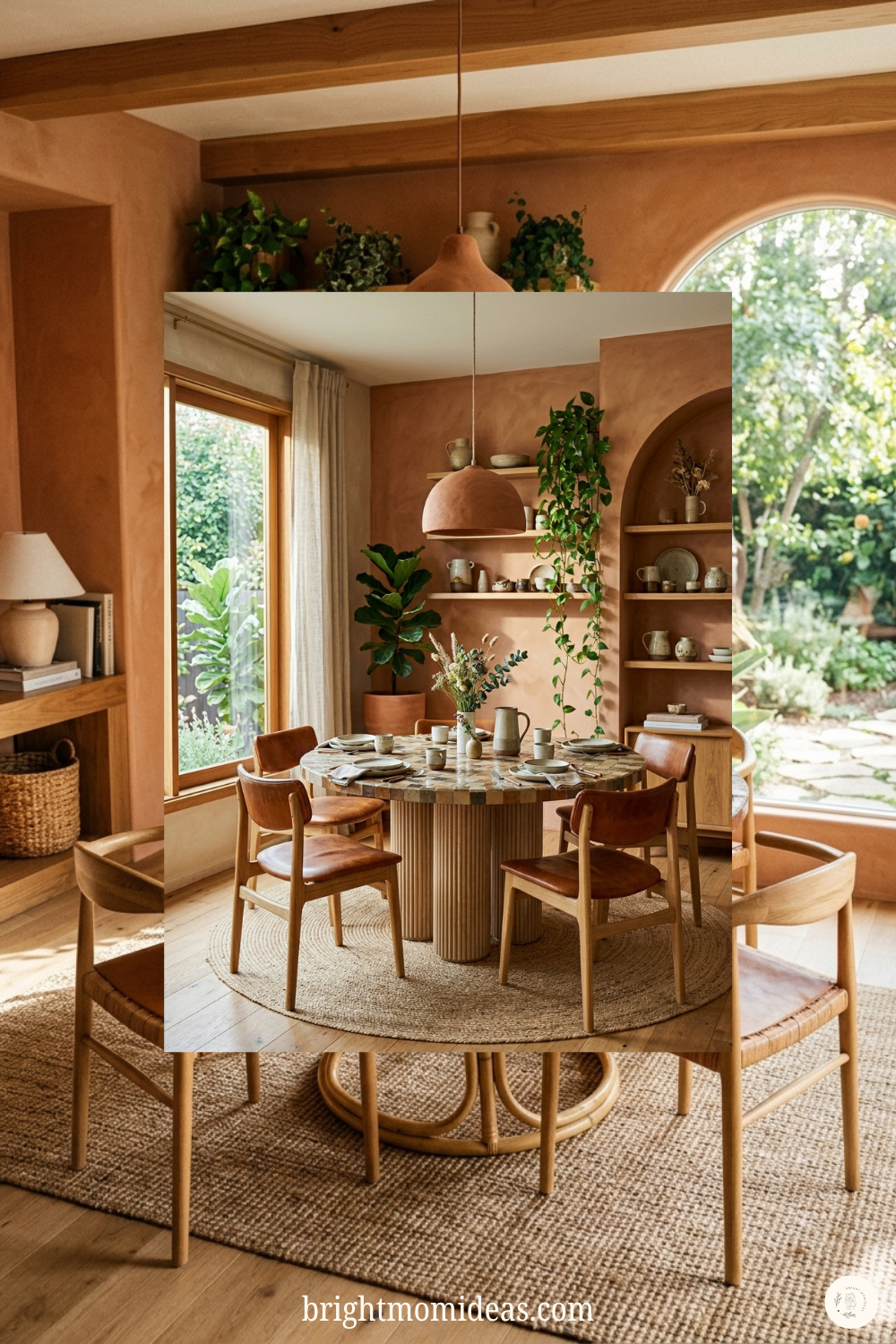
Japandi Dining Rooms That Make Neutral Palettes Feel Alive

Japandi Dining Room Decor Ideas

Japandi Dining Rooms That Make Neutral Palettes Feel Alive

Somewhere along the way, neutral got a reputation it did not deserve. People started treating beige as a placeholder, greige as a cop-out, and warm white as something you choose when you cannot commit to a real color. And honestly, if you have ever walked into a dining room that was technically neutral but felt completely flat and lifeless, you understand exactly how that reputation formed. But here is the thing — neutral is not the problem. The lack of intention behind it is.

Japandi Dining Room Decor Ideas

A Japandi dining room does something remarkable with neutral palettes. It takes the same tones that make other rooms feel empty and turns them into something layered, warm, and genuinely alive. It does this through texture, through material, through the very specific way natural light interacts with handmade surfaces. If you have been scrolling through Pinterest looking for Japandi dining room ideas that go beyond just putting a wooden table in a white room, this blog is going to show you exactly how the Japandi dining room aesthetic works — and why it does it so beautifully.

Japandi Dining Room

What Japandi Dining Room Design Actually Means Before You Start Decorating

The word Japandi is a blend of Japanese and Scandinavian, but a Japandi dining room is not just a style mashup. It is a philosophy about how a room should feel to the people eating, talking, and gathering inside it. Japanese design contributes the principle of ma — the meaningful use of empty space — alongside the wabi-sabi appreciation for things that are imperfect, aged, and natural. Scandinavian design brings in hygge — the deeply human desire for warmth, comfort, and genuine belonging in everyday spaces.

When those two ideas meet in a Japandi dining room, the result is a space that does not try to impress you the moment you walk in. Instead, it does something more powerful. It makes you want to sit down, pour a glass of something cold, and stay for a long time. The neutral palette is not a limitation in this context. It is the canvas that makes every natural material, every handmade texture, and every carefully placed object feel more significant than it would in a busier room.

Why Japandi Dining Room Neutral Palettes Feel Nothing Like Boring Beige

The difference between a flat neutral dining room and a beautiful Japandi neutral palette comes down to one word — warmth. Flat neutrals tend to use cool undertones, the kind of whites and grays that photography looks crisp in but that drain the life out of a room the moment the camera goes away. Japandi neutral palettes lean warm. Creamy whites with a yellow or pink undertone. Warm taupes and oat tones. Soft sand, aged linen, and the particular kind of greige that looks completely different at every hour of the day depending on the quality of light coming through the window.

Beyond color temperature, the Japandi dining room aesthetic activates neutral palettes through material contrast. A matte plaster wall next to a smooth oak dining table next to a rough linen seat cushion — these are all technically neutral, but the difference in surface and texture between them creates a visual richness that a single flat color could never achieve on its own. Add in the way candlelight or late afternoon sun plays across a handmade ceramic bowl sitting in the center of the table, and you start to understand why people who have lived with Japandi dining rooms describe them as rooms that seem to change throughout the day. They do. And that is exactly the point.

The Core Elements Of A Japandi Dining Room That Bring Any Neutral Palette To Life

The Japandi Dining Table Is Where The Whole Room Begins And Everything Else Follows

In any Japandi dining room, the table is not just a surface — it is the anchor, the soul, and often the single most beautiful object in the space. The right Japandi dining table tends to sit lower than what most Americans are used to, with clean simple lines and visible wood grain that has not been buried under a thick lacquer finish. Solid oak, walnut, and ash are all ideal choices. The grain should be allowed to breathe. The finish should be matte or oil-rubbed so the wood feels genuinely touchable rather than preserved behind glass.

Japandi Dining Room

Round tables work beautifully in smaller Japandi dining rooms because they encourage intimate gathered conversation. Rectangular tables work in longer rooms where a simple bench on one side adds an informal warmth that matching chairs alone cannot deliver.

Japandi Dining Room Chairs That Balance Visual Calm With Real Human Comfort

Chair choice can make or break a Japandi dining room aesthetic completely. The goal is seating that feels considered and human without competing with the table or the rest of the room for attention. Solid wood chairs with a slightly curved back in the Japanese mingei folk-craft tradition are ideal. So are simple Scandinavian-influenced dining chairs with a woven seat in natural rush or paper cord.

What to avoid is anything too upholstered, too formal, or too visually loud. One of the most effective Japandi dining room ideas for adding dimension without adding noise is mixing — two wooden chairs at the ends of the table and a long bench upholstered in natural linen or boucle along one side. That combination is relaxed, warm, and completely Japandi in spirit.

Japandi Dining Room Lighting That Anchors The Space And Sets The Entire Mood

Lighting in a Japandi dining room does two jobs at once. It provides practical light for the table, and it anchors the vertical space above it in a way that makes the whole room feel complete rather than top-heavy or oddly empty overhead. The ideal Japandi dining room pendant hangs lower over the table than most Americans expect — closer to the surface — in a material that feels natural and warm.

Washi paper pendants that diffuse light into a soft even glow are the classic Japanese-inspired choice. Rattan or bamboo shades with visible weave texture bring in Scandinavian warmth. Matte ceramic pendants in oat or clay tones work beautifully in smaller dining rooms. Whatever you choose, keep the bulb warm — 2700K to 3000K — because cool white light will instantly collapse the warmth that the entire Japandi dining room palette is working hard to create.

Japandi Dining Room Decor Is About What You Put On The Table And Nothing Else

Table styling in a Japandi dining room follows the same principle as the rest of the aesthetic. Intentional, not minimal for minimalism’s sake, but minimal because every object should genuinely earn its place. A simple ceramic bud vase with a single dried stem. A wooden board for bread. A matte clay candle holder with an unscented beeswax taper. A small woven tray holding a salt cellar and a handmade spoon.

Japandi Dining Room

These are not decorations. They are functional objects that happen to be beautiful. That distinction is everything in Japandi dining room decor. The moment something becomes purely decorative with no functional purpose, it starts working against the philosophy rather than for it.

Japandi Dining Room Walls Prove That Neutral Does Not Have To Mean Empty Or Forgotten

One of the most common mistakes people make when creating a Japandi dining room is leaving the walls completely bare in the name of minimalism. But negative space in Japandi dining room design should be intentional, not accidental. A single large-scale piece of simple art — a quiet landscape in muted tones, a piece of Japanese calligraphy, or an abstract print in earthy neutrals — hung on the wall behind the table anchors the room without crowding it.

Alternatively, a simple floating shelf in warm wood holding three or four ceramic objects of varying heights creates a functional display that adds life and depth to a wall that would otherwise just recede into the background. The rule is not no art. The rule is one considered thing done with full commitment.

How Plants And Natural Elements Complete The Japandi Dining Room Aesthetic Every Single Day

If lighting is what activates a Japandi dining room in the evening, plants and natural elements are what activate it during the day. A tall slender plant in a matte terracotta pot placed in the corner behind the table — a fiddle leaf fig, a snake plant, or a large olive tree — draws the eye upward and brings an organic verticality to the room that no piece of furniture can replicate on its own.

On the table or sideboard, a small cluster of dried botanicals in a simple vase, a wooden fruit bowl with a few actual pieces of fruit, or a sprig of fresh herb in a bud vase all create that living connection to the natural world that sits at the heart of both Japanese and Scandinavian design philosophy. These details matter especially in American homes where dining rooms are often interior spaces with limited natural light. A well-chosen plant does the emotional work that sunlight cannot always do — it reminds you that the room is alive, that it breathes, and that it belongs to someone who pays attention. That feeling is quiet, but it is powerful.

How To Build Your Own Japandi Dining Room In Any USA Home Without Starting From Scratch

The good news about Japandi dining room ideas is that most of them work in the spaces Americans already have. Whether you are in a Manhattan apartment with a tiny dining alcove, a Chicago brownstone with a formal separate dining room, or a new-build open-plan home in suburban Texas, the principles apply the same way everywhere.

Start with the table. If you already have one in a warm wood tone with reasonably clean lines, you may not need to replace it at all. Strip back everything around it first and see what you are actually working with. From there, evaluate your lighting. Swapping a dated chandelier or builder-grade fixture for a simple washi paper or rattan pendant is one of the most affordable and high-impact changes you can make to any dining room in any budget range.

Next, look at your chairs. You do not need to replace the entire set at once. Replacing two chairs with something more Japandi in character while keeping the rest is a completely valid approach that adds exactly the kind of gentle collected-over-time imperfection that the aesthetic celebrates naturally. Finally, clear the table of everything that does not belong there and replace it with two or three things you genuinely love the look of. A Japandi dining room is built from small honest decisions made consistently over time — not from a single shopping trip.

A Japandi Dining Room Is Not A Style — It Is A Decision About What Actually Matters In Your Home

When you really understand what a Japandi dining room is doing, you realize it is not about a trend or a passing aesthetic moment. It is about editing your space down to the things that genuinely make a meal, a conversation, and a gathered moment feel better than it did before. The neutral palette is there not because it is safe or easy, but because it allows everything else — the grain of the wood, the warmth of the candlelight, the beautiful imperfection of a handmade bowl — to be fully noticed and fully felt.

That is the thing most dining rooms miss. And it is the thing a well-considered Japandi dining room gets quietly, consistently right. Whether you are planning a full room renovation or just looking for Japandi dining room ideas to start implementing this weekend, begin with the most honest question this aesthetic asks of every room: what in this space is here because I love it, and what is here because it just ended up here? Answer that honestly, and you are already most of the way there.

Save this post to your Pinterest Japandi Home Decor boards and share it with a person who is dreaming about transforming his dining room. 📌


Disclosure: This post contains affiliate links. If you purchase through these links I may earn a small commission at no extra cost to you. Thank you for supporting this blog.


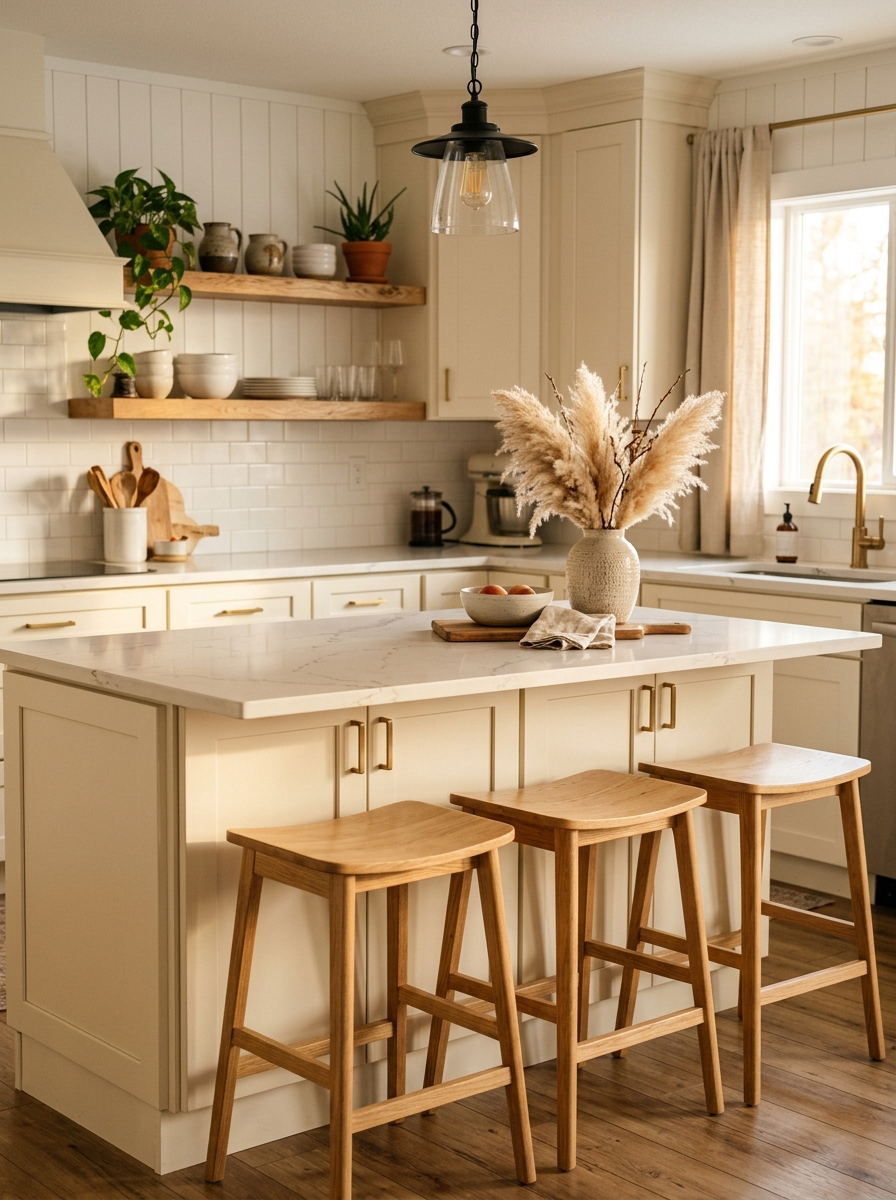
Kitchen Island Chairs — How to Choose the Right Style and Size

Kitchen Island Chairs

Kitchen Island Chairs — How to Choose the Right Ones and Actually Love Them

Choosing the right kitchen island chairs is crucial. Avoid common mistakes and find the perfect fit for your space with our guide.


I have a theory about kitchen island chairs. I think most people spend months choosing their countertops, weeks agonizing over cabinet hardware, and then about twenty minutes picking the stools that their family will sit on literally every single day.

kitchen island chairs

And then six months later they are quietly searching for replacements.

It happens all the time. The chairs are too tall. Or too low. Or they wobble. Or they looked perfect in the product photo and arrived looking nothing like that in real life. Or the kids have already scratched them beyond recognition.

This guide is going to help you avoid all of that. Whether you are furnishing a brand new kitchen or finally replacing the stools you settled for years ago — read this before you buy anything.


The One Measurement Most People Get Wrong

Before we talk about styles, materials, or any of the fun stuff — we need to talk about height. Because getting this wrong is the single most common kitchen island chair mistake people make.

kitchen island chairs measurement

Here is the simple rule.

Measure the height of your kitchen island countertop from the floor. Then subtract ten to twelve inches. That is the seat height you need.

Most kitchen islands have a counter height of around 36 inches. That means you need a stool with a seat height of around 24 to 26 inches. These are called counter height stools and they are what most kitchens need.

If you have a bar height island — which sits at around 42 inches — you need bar height stools with a seat height of around 28 to 30 inches.

This sounds obvious but so many people skip this step. They buy stools based on looks alone and then discover they are sitting with their chin at counter level or their knees hitting the underside of the island.

Measure first. Then shop.


How Many Chairs Does Your Island Actually Need

This one trips people up too. The general rule is to allow at least 26 to 28 inches of counter space per person. So if your island is 60 inches wide, you have room for two comfortable stools. If it is 84 inches, you can fit three.

Do not try to squeeze in more than the space allows. Cramped kitchen island seating is uncomfortable and looks cluttered. It is always better to have two stools with breathing room than three stools where everyone is bumping elbows.

If your island has seating on one side only — which is the most common setup — make sure there is at least 42 inches of clearance between the back of the stools and your kitchen cabinets or wall. People need to be able to pull the stool out and sit down without having to navigate an obstacle course.


Kitchen Island Chair Styles — Finding What Actually Works for Your Kitchen

This is where it gets fun. Kitchen island chairs come in so many styles right now that the hardest part is narrowing it down. Here is an honest breakdown of the most popular options and which kitchens they work best in.

Backless Stools

Backless stools are the most practical choice for most kitchens and there is a simple reason why. When no one is sitting on them, they tuck completely under the island. The kitchen looks clean, open, and uncluttered.

They work especially well in smaller kitchens where visual space matters. They also work well in households with kids because there are no backs to bang into or grab onto.

The downside is comfort. Backless stools are fine for a quick breakfast but if your family tends to sit and linger over meals, the lack of back support gets uncomfortable after about twenty minutes.

If you love the clean look of backless stools but want more comfort, look for options with a footrest ring. That small detail makes a significant difference to how comfortable they are for extended sitting.

👉 Backless Counter Height Stools Set of 2 — Shop Here


Stools With Backs

For families who actually eat at their kitchen island — not just grab a coffee and go — stools with backs are almost always the better choice. They are more comfortable, feel more like actual seating, and often look more finished and intentional in a kitchen.

The most popular styles right now are low-back stools — which have a small back panel that supports your lower back without visually dominating the space — and full back stools which look more like a chair and feel the most comfortable for longer sitting.

Low-back stools are a great middle ground. You get support without sacrificing too much of that clean, open visual feel.

👉 Low Back Counter Height Stools Set of 2 — Shop Here


Swivel Stools

Swivel stools are endlessly practical in a kitchen setting. Being able to turn around to grab something from the counter behind you, or to turn and talk to someone in the living room without getting up, is genuinely useful in everyday kitchen life.

Most swivel stools also have an adjustable height feature which means they work across a range of counter heights and can be used by adults and children alike. If you are not sure whether your island is counter height or bar height — or if you are buying stools for a kitchen you have not moved into yet — adjustable swivel stools are a genuinely smart choice.

👉 Adjustable Swivel Bar Stools Set of 2 — Shop Here


Upholstered Stools

Upholstered kitchen island chairs are having a massive moment right now and the reason is simple. They look incredible. A linen, velvet, or faux leather upholstered stool adds warmth, texture, and a sense of considered design to a kitchen in a way that metal or plain wood stools simply cannot match.

The concern most people have is practicality. And it is a fair concern — kitchens are messy places. But modern upholstered kitchen stools are made with this in mind. Look for stools with performance fabric, faux leather, or treated linen that can be wiped clean. These hold up remarkably well in real kitchens with real families.

Avoid light cream or white upholstery if you have young children or if anyone in your household is a particularly enthusiastic cook. Opt for warm grey, camel, sage green, or dark charcoal instead — all of these hide everyday marks far better.


Wooden Stools

A simple wooden stool never goes out of style. Natural wood brings warmth and texture to a kitchen and works with almost every aesthetic from modern farmhouse to Scandinavian to traditional.

The most popular wood tones for kitchen island chairs right now are natural oak, walnut, and whitewashed or bleached wood. All three work beautifully against white or cream cabinets. Walnut and darker wood tones create a beautiful contrast against light cabinetry and look especially striking with brass or black hardware.

Wooden stools are also incredibly durable which matters in a kitchen. They do not show scratches the way painted or lacquered finishes do and they tend to look better with age rather than worse.


Metal and Industrial Stools

Black metal stools are one of the most versatile kitchen island chair options available right now. They work in modern kitchens, industrial kitchens, and modern farmhouse kitchens equally well. They are durable, easy to clean, and photograph beautifully.

The current trend is matte black metal frames with either a wooden seat, a woven seat, or a simple upholstered cushion. This combination gives you the clean lines of an industrial stool with enough warmth and texture to feel at home in a residential kitchen.

Brass and gold metal frames are also trending strongly right now — particularly in kitchens with a more glamorous or transitional aesthetic. A brass stool against navy or deep green cabinets is one of the most stunning kitchen combinations you can create.

👉 Matte Black Metal Counter Stools Set of 4 — Shop Here


Kitchen Island Chair Ideas by Kitchen Style

Choosing the right stool is not just about finding something you like in isolation. It is about finding something that works within your specific kitchen aesthetic. Here is a quick guide to matching your stool style to your kitchen.

Modern Farmhouse Kitchen

Modern farmhouse kitchens are warm, textured, and layered. The best stool choices for this style are natural wood stools in oak or walnut, upholstered stools in linen or cream fabric, and wicker or rattan stools which add beautiful organic texture. Finish with brushed brass hardware on the stool if possible — it ties in beautifully with the warm metal accents that are typical in farmhouse kitchens.

White or Neutral Kitchen

A white or neutral kitchen gives you the most flexibility with stool choice. Almost anything works. That said, the most popular combinations right now are white kitchen with black metal stools for a clean modern contrast, white kitchen with natural wood stools for warmth and texture, and white kitchen with upholstered stools in a warm neutral tone like camel or greige for a soft, layered look.

Dark or Moody Kitchen

If your kitchen has dark cabinets — navy, forest green, charcoal — your island chairs are an opportunity to either contrast or complement. Light natural wood stools create a beautiful contrast against dark cabinets and stop the kitchen from feeling too heavy. Brass or gold metal stools add glamour and tie in with warm hardware. Cream or white upholstered stools create a striking contrast that looks incredibly sophisticated.

Minimalist or Contemporary Kitchen

For a truly minimal kitchen, backless stools in a single material — all metal, all wood, or all concrete — maintain the clean uncluttered aesthetic. Avoid anything too decorative or ornate. The simpler the stool, the better it works in a minimal space.


Materials — What Actually Holds Up in a Real Kitchen

This is the section most buying guides skip. Let us talk honestly about how different materials perform in a kitchen environment over time.

Wood holds up beautifully with minimal maintenance. It develops a patina over time that most people find more attractive than the original finish. Wipe spills quickly and re-oil occasionally.

Metal is the most durable option. Powder-coated finishes resist scratches and chips well. Wipes clean in seconds. Can feel cold in winter kitchens.

Upholstered fabric varies enormously depending on the fabric type. Performance fabrics and faux leather wipe clean easily. Natural linen stains more easily but can be spot cleaned. Avoid velvet in kitchens with young children.

Wicker and rattan look beautiful but require more care. Crumbs get trapped in the weave. Keep these for kitchens where they will not be subject to heavy daily use.

Plastic and acrylic are underrated in terms of durability and practicality. A good quality acrylic stool wipes clean instantly, never rusts, and in clear or translucent versions, takes up almost no visual space — great for smaller kitchens.


The Details That Separate Good Stools From Great Ones

Once you have the right height, style, and material — these smaller details are what separate a stool you will love from one you will tolerate.

Footrests matter more than you think. A well-placed footrest ring or bar makes sitting at a kitchen island significantly more comfortable. Without one, your feet dangle and you end up slouching.

Check the weight capacity. This sounds obvious but it is often overlooked. Make sure your stools are rated for the adults in your household.

Rubber feet or felt pads. Stools without proper floor protection will scratch your kitchen floor. Either choose stools that come with rubber feet or add felt pads yourself before using them.

Assembly difficulty. Read the reviews specifically for comments about assembly. Some stools that look simple have notoriously frustrating assembly instructions. This is worth knowing before you buy.


Common Mistakes to Avoid

Getting kitchen island chairs wrong is expensive and annoying. These are the mistakes worth avoiding.

Buying without measuring is the biggest one. Always confirm your counter height before ordering anything.

Buying individual stools when sets are available is a mistake many people make. Matching sets are almost always cheaper per unit and guaranteed to look cohesive.

Choosing style over comfort is a trap that catches a lot of people. A stool that looks perfect but feels uncomfortable after ten minutes is not actually perfect for a kitchen. You sit at your island every single day. Comfort matters.

Not considering your flooring is an easy oversight. Dark metal legs on light wood floors, or light wooden legs on very dark tile — think about how the stool base will look against your specific floor.

Ignoring the scale is a common design mistake. A very large ornate stool in a small kitchen looks overwhelming. A very small delicate stool at a large island looks lost. Scale your stool choice to your island and your kitchen size.


Final Thoughts

The right kitchen island chairs are the ones that make your kitchen feel complete — not just functional but genuinely beautiful and comfortable at the same time. They are the piece that your family interacts with every single morning and every single evening.

Take the time to measure properly. Think about how your family actually uses the island — quick breakfasts, long dinners, homework sessions, weekend cooking. Let that reality guide your choice more than any trend or aesthetic.

kitchen island chairs

And when you find the right ones — the height is perfect, they are comfortable enough to sit on for an hour, and they look exactly right in your kitchen — you will know immediately. That feeling of everything clicking into place is exactly what a kitchen should feel like.

Save this post to your Pinterest kitchen boards and come back to it before you shop. 📌


Disclosure: This post contains affiliate links. If you purchase through these links I may earn a small commission at no extra cost to you. Thank you for supporting this blog.

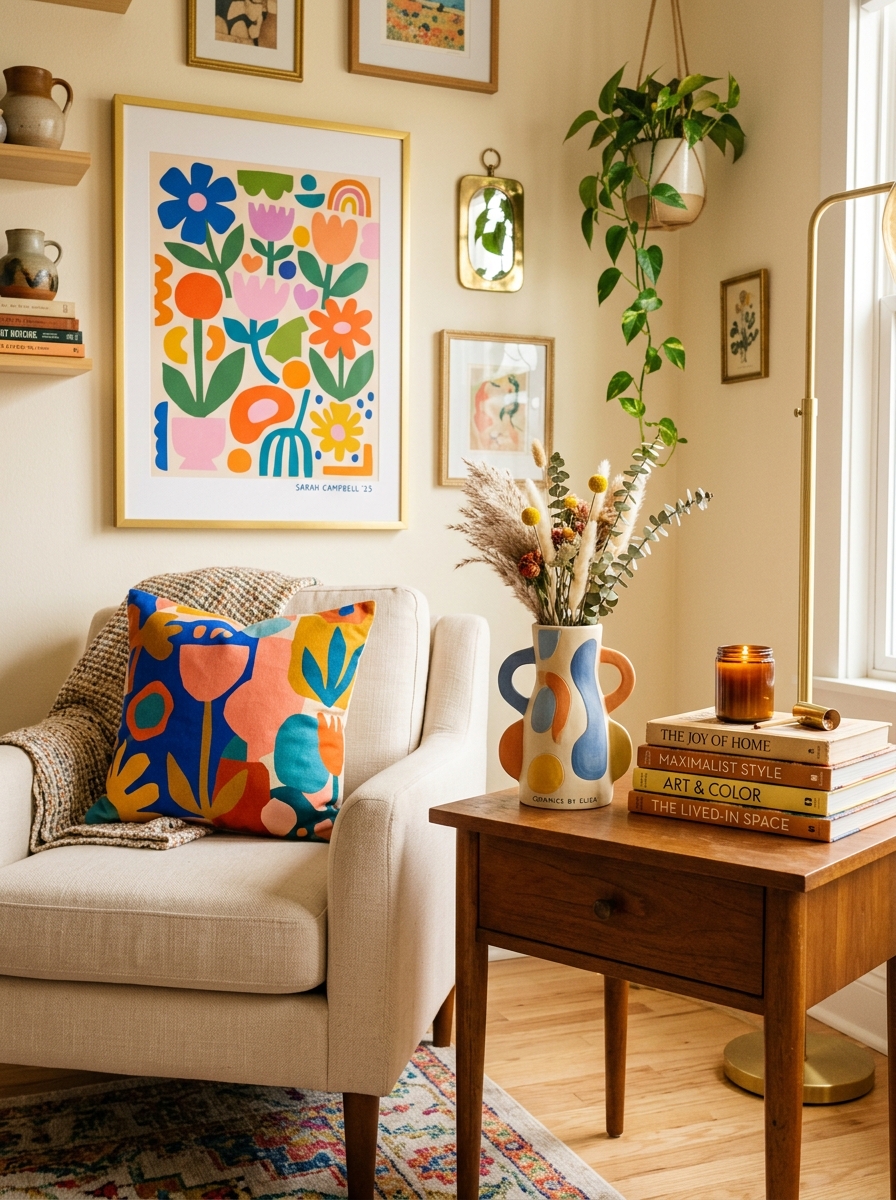
Home Décor Ideas That Make Every Room Look Expensive

Home decor ideas

Simple, affordable ways to style your home from entryway to bedroom — no designer budget required.


Walk into a home that feels warm, layered, and full of personality — and you instantly know it. Something about it just feels right. The colors make sense together. The shelves look intentional. Even the little corner by the window has something interesting going on.

Decorative Pillows — The Fastest Room Refresh You Will Ever Do

I want to start with decorative pillows because nothing — and I mean nothing — transforms a room faster. You can spend an entire weekend painting a room and not get the same visual impact that three new throw pillows can give you in five minutes.

boucle throw pillow cover

👉 Boucle Throw Pillow Covers — Set of 2 — Shop Here

👉 Rust Velvet Lumbar Pillow Cover — Shop Here

The problem is most people buy pillows the wrong way. They grab two matching ones in the same size and call it a day. Then they wonder why the sofa still looks flat.

Here is what actually works

Mix your sizes first. On a standard sofa, place two large pillows at the back corners. Put two medium sized pillows in front of those. Then add one long lumbar pillow lying flat in the center. That layered look is what you see in every beautifully styled living room photo on Pinterest — and now you know exactly how it is done.

boucle throw pillow cover

Next, mix your textures and patterns. Pick one solid colored pillow, one with a simple pattern, and one with an interesting texture. A cream boucle pillow, a rust colored velvet lumbar, and a linen pillow with a subtle print — that combination works in almost any neutral living room. Pull the colors from something already in the room. Your rug, your curtains, a piece of art on the wall. That is how you get everything to feel connected without being matchy matchy.

One more thing. Buy your pillow covers and inserts separately. It is far cheaper and it means you can swap your whole look out with the seasons without buying brand new pillows every time.

Shop These Pillow Picks:

👉 Linen Pillow Cover Set — Shop Here

👉 Pillow Insert Bundle 18 and 22 inch — Shop Here

Quirky Home Décor — Stop Decorating Like a Catalog

Scroll through Pinterest for ten minutes and you will notice something. The rooms that stop you mid-scroll are never the perfectly neutral, perfectly coordinated ones. The rooms that make you tap save are the ones that feel like a real person lives there. A person with taste, humor, and a few interesting stories.

That is what quirky home décor does. It adds personality.

Now before you panic — quirky does not mean chaotic. It does not mean filling your home with random weird stuff. But it means choosing one or two unexpected pieces per room that make people stop and ask where you got that.

Home Décor Ideas

It may be a sculptural ceramic vase in an unusual shape sitting on your coffee table or a lamp that looks more like a piece of art than a light fixture. It could be a vintage find from a thrift store styled next to something brand new. The contrast is what makes it interesting.

The one-per-room rule is a good starting point if you are new to this. Give every room one quirky anchor piece. Everything else can be calm and neutral. That one piece does all the work.

Home Décor Ideas

 Right now the styles getting the most saves on US Pinterest boards include abstract ceramic objects, dopamine décor in bold unexpected colors, maximalist bookshelves styled with a mix of old and new, and whimsical figurines that bring a little joy into everyday spaces.

Shop These Quirky Décor Finds:

👉 Abstract Sculptural Ceramic Vase — Shop Here

👉 Quirky Decorative Figurines — Shop Here

Entryway Table — Make Coming Home Feel Like an Event

Your entryway is the first thing you see when you walk through your front door. It sets the mood for your entire home. And yet most people completely ignore it.

A well-styled entryway table does not need to be expensive or complicated. It just needs to feel intentional. Here is a simple formula that works every single time.

home decor entry table

Include something tall. A lamp, a tall vase with dried stems, or a mirror leaning against the wall behind the table. Include something round. A circular tray, a round bowl, or a round mirror above the table. Include something personal. A framed photo, a small piece of art, or an object that means something to you. Include something functional. A tray for keys, a small basket, or a candle. And finally, include something alive. A small plant, a succulent, or even a simple vase of fresh flowers from the grocery store.

Those five elements together — tall, round, personal, functional, alive — create a styled entryway table that looks like it took real thought and effort. Even when it took you twenty minutes.

home decor entry table

The looks getting the most attention on Pinterest right now are the warm neutral style with pampas grass and rattan, the modern black and gold look with clean lines and metallic accents, and the cottage core style with vintage pieces and fresh wildflowers.

Shop These Entryway Essentials:

👉 Narrow Console Table — Top Rated — Shop Here

👉 Entryway Table Lamp Neutral Tone — Shop Here

Mushroom Décor — The Whimsical Trend You Need in Your Home

If you have not noticed the mushroom décor trend yet, you have not been spending enough time on Pinterest. This one has been building for a couple of years and it shows absolutely no signs of slowing down — especially in the US home décor community.

And honestly it is not hard to understand why. Mushroom décor brings something into a home that most trends do not. It feels magical. Earthy and whimsical at the same time. It works in cottage core spaces, bohemian rooms, and even modern organic interiors that lean toward natural materials and warm tones.

mushroom room decor

The easiest way to try this trend is to start small. One ceramic mushroom figurine on a bookshelf. A mushroom shaped lamp on a bedroom nightstand. A mushroom print pillow on a reading chair. Just one piece is enough to nod to the trend without going overboard.

If you want to go deeper, a dedicated mushroom shelf is one of the most saved home décor ideas on Pinterest right now. Style a single shelf with a mix of mushroom ceramics in earthy tones, dried moss, small ferns, fairy lights, and a mushroom candle or two. It photographs beautifully and creates a genuinely cozy corner in any room.

mushroom room decor

This trend works especially well in bedrooms, reading nooks, and home offices where you want the space to feel calm, creative, and a little bit magical.

Shop These Mushroom Décor Picks:

👉 Ceramic Mushroom Figurine Set — Shop Here

👉 Mushroom Table Lamp  — Shop Here

Photo Wall Ideas — Turn Your Blank Wall Into Something Beautiful

A gallery wall is one of those projects that feels intimidating before you start and incredibly satisfying once it is done. It is also one of the most searched home décor ideas on Pinterest in the US — and for good reason. A well done photo wall can completely anchor a room and make it feel finished in a way that nothing else really can.

The key is having a plan before you start putting holes in the wall.

If you love a clean, modern look, go with a classic grid. Use frames that are all the same size and the same finish — all black, all white, or all natural wood. Mix photos, art prints, and simple quotes. Measure your spacing carefully and use a level. This approach works beautifully above a sofa, above a bed, or behind an entryway table.

👉 Black Gallery Wall Frame Set 12 Piece — Shop Here

If you prefer something more relaxed and personal, try the eclectic mix approach. Combine different frame sizes and finishes. Add a small round mirror, a woven wall hanging, or a small shelf into the arrangement. Mix family photos with art prints and botanical illustrations. Lay everything out on the floor first so you can see how it looks before committing to the wall.

If you want something that is easy to change over time, picture ledges are your best friend. Install one or two wooden ledges and lean your frames against the wall in casual layers. You can swap photos and prints in and out whenever you feel like a change without touching a single nail.

One of the most searched photo wall ideas in the US is the staircase gallery wall. Frames arranged along the diagonal line of the stairs, varying in size but consistent in color family. It looks incredible and makes use of a space that most people leave completely bare.

Shop These Gallery Wall Essentials:

👉 Natural Wood Mixed Frame Bundle — Shop Here

👉 Printable Art Print Set for Gallery Wall — Shop Here

How to Bring It All Together Room by Room

Now that you’ve got all the individual elements, here’s how to bring them together room by room for a home that feels completely cohesive and Pinterest-perfect.

Living Room: Start with a neutral sofa as your base. Layer in decorative pillows using the solid-pattern-texture formula. Add one quirky home décor statement piece on your coffee table or bookshelf. Build a gallery wall above your sofa using a mix of frames and personal photos. Add a mushroom candle or ceramic accent piece to your side table for a whimsical touch.

Bedroom: Style your bed with layered decorative pillows in a soft, dreamy color palette. Add a mushroom lamp to your nightstand for cozy ambiance. Create a small photo wall above your dresser using a picture ledge for easy swapping. Add one quirky or unexpected décor piece to your dresser or windowsill.

Entryway: Style your entryway table using the five-element formula — tall, round, personal, functional, alive. Add a small gallery wall or single large mirror above the table. Include one seasonal or quirky accent piece that reflects your personality.

A Few Last Thoughts

The homes that look the best on Pinterest are not the ones with the most expensive furniture. They are the ones that feel considered. Every piece has a reason to be there. The textures make sense together. There is personality in the details.

You can build that kind of home on any budget. It just takes a little patience, a willingness to experiment, and the confidence to trust your own taste.

Start somewhere. Even one new throw pillow or one small quirky find from a thrift store can shift the energy of a room. Build from there. Your home will thank you for it.

Found this helpful? Save it to your Pinterest home décor boards so you can come back to it anytime. And share it with a friend who could use a little home inspo! 📌


Disclosure: This post contains affiliate links. If you purchase through these links I may earn a small commission at no extra cost to you. Thank you for supporting this blog.

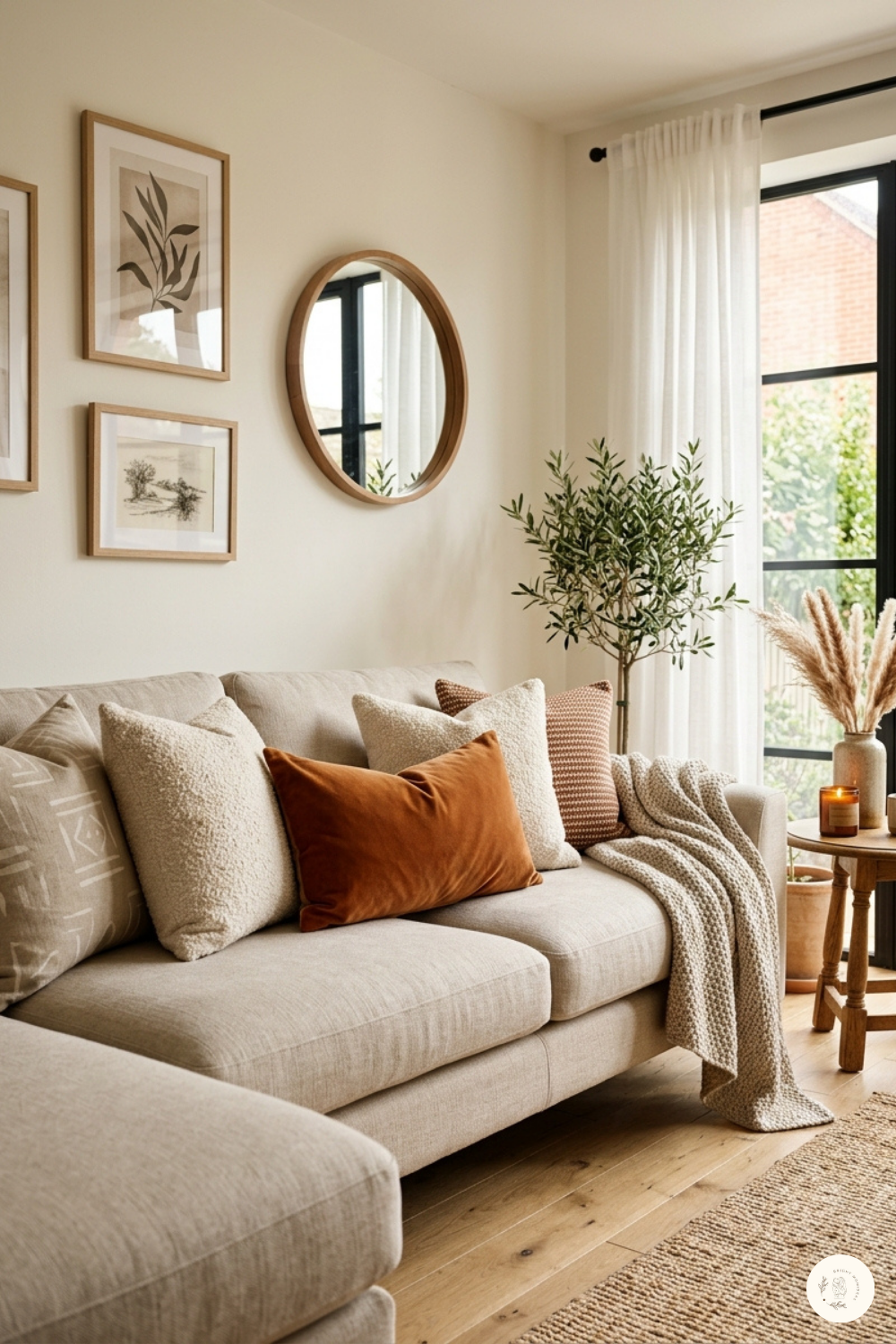
Spring Home Décor Ideas That Make Every Room Feel Fresh and New

boucle throw pillow cover

Spring Home Décor Ideas That Make Every Room Feel Fresh and New

As the seasons change, your home deserves a fresh update too. Spring is the perfect time to brighten up your space with light colors, natural textures, and simple decorative touches. Whether you want a full seasonal makeover or just a few simple spring decorations, these ideas will help you transform your space beautifully.

From cozy spring living room décor to early summer living room décor ideas, this guide will inspire you to create a light, airy, and welcoming home.

Why Update Your Home for Spring?

Spring home décor is all about:

✔ Fresh colors
✔ Natural light
✔ Floral accents
✔ Decluttered spaces
✔ Soft textures
✔ Indoor-outdoor connection

After winter, lighter décor instantly makes your home feel bigger, brighter, and happier.

1. Add Fresh Flowers & Greenery

Nothing says spring home décor like fresh blooms. Tulips, daisies, cherry blossoms, or simple eucalyptus stems instantly refresh any room.

Place flowers in:

  • Glass vases

  • Ceramic pitchers

  • Woven baskets

  • Coffee table centerpieces

If fresh flowers aren’t practical, high-quality faux stems work beautifully too.

✨ Tap here to check the latest price & availability

https://amzn.to/3OKtwMm

2. Switch to Light Throw Pillows

Heavy winter fabrics can make a room feel dark. Swap them for:

  • Linen pillow covers

  • Floral patterns

  • Soft pastel tones

  • Light cotton textures

This is one of the simplest spring decorations you can do in minutes.

✨ Tap here to check the latest price & availability (High Reviews)

https://amzn.to/4sjMkjO

3.  Refresh Your Coffee Table Styling

A coffee table is often the centerpiece of a living room, which means even small styling changes can make a big impact on the overall look of the space. Refreshing your coffee table styling is a simple and affordable way to give your living room a clean, updated feel without redecorating the entire room. The key is to declutter first and then add a few carefully chosen pieces that bring balance, beauty, and personality.

Start by removing everything from your coffee table. Over time, coffee tables tend to collect random items like remotes, magazines, and everyday clutter. Clearing the surface instantly makes the room feel more organized and spacious. Once the table is empty, think of it as a blank canvas where you can create a small decorative arrangement.

Declutter your coffee table and restyle with:

  • A small floral arrangement

  • Spring-themed books

  • A ceramic tray

  • A scented candle

Keep it minimal and fresh.

spring-home-decor-ideas-living-room.jpg

4. Use Light Curtains

If you prefer a slightly warmer tone, soft beige curtains are another excellent choice. Beige blends effortlessly with most color palettes and creates a calm, cozy atmosphere. This shade is perfect for living rooms that already feature warm tones like light wood, woven baskets, or earthy décor elements.

Switching to lighter curtains does more than just improve lighting. It can visually enlarge the room and make the entire space feel more cheerful and refreshed. Natural sunlight highlights other décor elements like plants, cushions, and wall art, making your living room feel more vibrant.

Overall, replacing heavy curtains with sheer white, cream linen, or soft beige fabrics is a simple yet powerful update. It allows more natural light to flow into the room and instantly upgrades your spring living room décor with a bright, airy, and inviting atmosphere.

Switch dark curtains to:

  • Sheer white

  • Cream linen

  • Soft beige

This allows more sunlight and instantly upgrades your spring living room décor.

spring-home-decor-ideas-living-room.jpg

✨ Tap here to check the latest price & availability

https://amzn.to/4ucy5PS

5. Add Floral Wall Art

Refreshing your home for spring doesn’t always require major changes. Sometimes, small decorative updates can make a big difference. One of the easiest ways to bring the feeling of spring into your living room is by adding simple seasonal wall decorations. Light, nature-inspired wall art can instantly brighten the space and create a cheerful, refreshing atmosphere.

A great option for spring décor is botanical prints. These prints usually feature plants, leaves, or delicate flowers and bring a natural, calming element into your home. Botanical artwork works especially well in living rooms with neutral color palettes because the green tones add a subtle pop of color without looking too bold. You can place two or three framed botanical prints above a sofa, console table, or reading corner to create a fresh and elegant focal point.

Simple spring decorations can include:

  • Botanical prints

  • Floral canvas art

  • Nature-inspired wall frames

These small details create seasonal charm without overwhelming the space.

spring-home-decor-ideas-living-room.jpg

6. Incorporate Soft Pastel Colors

One of the most beautiful ways to refresh your home for the spring season is by incorporating soft pastel colors into your living room décor. Pastel shades naturally reflect the lightness and freshness of spring, helping your space feel brighter, calmer, and more inviting. The best part is that you don’t need to repaint your walls or completely redesign your room. Small décor accents in pastel tones can easily transform the overall atmosphere.

Some of the most popular spring color palette ideas include shades like blush pink, soft sage green, light blue, cream, and pale yellow. These colors are gentle on the eyes and create a peaceful, uplifting environment. When used thoughtfully, pastel tones can make your living room feel airy and stylish without appearing too bold or overwhelming.

A simple way to introduce these colors is through decorative cushions and throw blankets. For example, you can place blush pink or pale yellow cushions on a neutral sofa to instantly brighten the space. A soft sage green throw draped across the couch can also add warmth while keeping the room aligned with the fresh spring theme.

Spring color palette ideas:

  • Blush pink

  • Soft sage green

  • Light blue

  • Cream

  • Pale yellow

You don’t need to repaint — use décor accents instead.

spring-home-decor-ideas-living-room.jpg

7. Declutter & Simplify

Spring is often associated with renewal, freshness, and new beginnings, which makes it the perfect time to declutter and simplify your living room. Over time, spaces can become filled with unnecessary décor, extra items, and seasonal pieces that make the room feel crowded. By removing clutter and organizing your space, you can instantly create a lighter, more refreshing environment that reflects the calm and airy feeling of spring.

Start by removing heavy décor pieces that were perfect for winter but may now feel too dark or bulky. Items like thick throws, dark decorative pillows, and heavy centerpieces can make the room feel visually heavy. Replacing them with lighter accessories or simply removing a few items can immediately open up the space.

Next, focus on clearing surfaces such as coffee tables, side tables, and console tables. These areas tend to collect random objects like magazines, remotes, and decorative pieces over time. Try keeping only one or two carefully chosen décor items on each surface, such as a small plant, a candle, or a decorative tray. This minimal approach helps the room feel calm and organized rather than crowded.

Another important step is to organize shelves and storage areas. Bookshelves, wall shelves, and entertainment units often become cluttered with too many items. Take a few minutes to rearrange them neatly. You can group books together, add small baskets for hidden storage, or place a few decorative objects like vases or framed photos to keep the display balanced.

Spring is also about freshness and simplicity.

  • Remove heavy décor

  • Clear surfaces

  • Organize shelves

  • Store winter blankets

A clutter-free room feels lighter instantly.

8.  Update Your Entryway

Your entryway is the first thing people see when they enter your home, so refreshing it for spring can instantly create a welcoming atmosphere. Small updates can make a big difference and set the tone for the rest of your space.

Here are a few simple ways to refresh your entryway:

Add a Fresh Wreath
A floral or greenery wreath on your door brings a cheerful spring vibe and makes your home feel inviting.

Switch to a Light Rug
Replace heavy winter rugs with lighter, brighter ones to give the space an airy seasonal look.

Place a Small Plant
A small plant or fresh flowers add life and color to your entryway, making the space feel fresh and natural.

Use a Decorative Tray for Keys
Keep your essentials organized with a stylish tray for keys, sunglasses, or mail. It keeps clutter away while adding a decorative touch.

Remember: Entryway updates are small, but they create a big impact and make your home feel refreshed for the new season.

Welcome spring at the door with:

  • Fresh wreath

  • Light rug

  • Small plant

  • Decorative tray for keys

Entryway updates are small but impactful.

spring-home-decor-ideas-living-room.jpg

✨ Tap here to check the latest price & availability

https://amzn.to/4bbjH1E

Remember: Entryway updates are small, but they create a big impact and make your home feel refreshed for the new season.

9.  Add Natural Textures

Texture adds warmth without heaviness.

Use:

  • Woven baskets

  • Rattan trays

  • Light wood décor

  • Cotton throws

Natural materials complement spring home décor perfectly.

10.  Transition Into Summer Living Room Décor

As spring moves into summer, brighten even more.

Summer living room décor ideas include:

  • White and blue accents

  • Coastal-inspired décor

  • Lightweight fabrics

  • Ocean-themed art

Keep the base neutral and adjust accessories seasonally.

spring-home-decor-ideas-living-room.jpg

✨ Tap here to check the latest price & availability

https://amzn.to/4u90Sob

11.  Add Scent & Seasonal Touches

Don’t forget sensory decor.

  • Citrus candles

  • Fresh linen scent

  • Floral diffusers

Spring decorating isn’t just visual — it’s atmospheric.

✨ Tap here to check the latest price & availability

https://amzn.to/46YoRgb

https://amzn.to/4rTswUM

Simple Spring Decorations for Any Budget

You don’t need expensive furniture.

Affordable ideas:

  • Swap pillow covers

  • Add fresh flowers

  • Rearrange furniture

  • Change wall art

  • Add small plants

Small changes create big seasonal impact.


Final Thoughts

Spring home décor is about lightness, freshness, and simplicity. From easy spring living room décor updates to simple spring decorations, even small changes can transform your home into a bright and welcoming space.

As the season shifts toward summer, you can gradually introduce summer living room décor ideas like coastal accents and airy fabrics to keep your space feeling seasonal and stylish.

A fresh home starts with fresh energy.

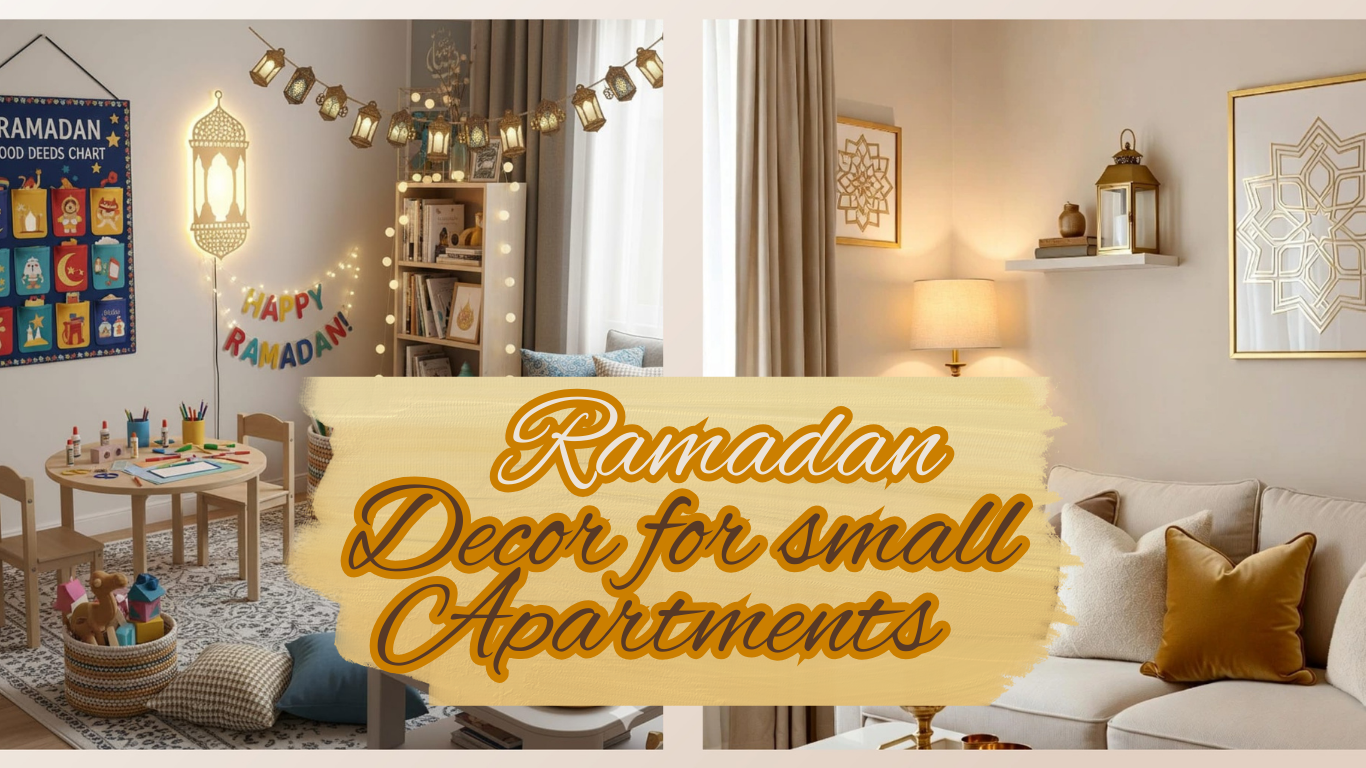
15 Simple Ramadan Decor Ideas for Small Apartments

Ramadan Decor for Small Apartments

Ramadan is a time of peace, reflection, and togetherness—and your home plays an important role in setting the mood for this blessed month. But if you live in a small apartment, you may think decorating for Ramadan is difficult or overwhelming. The good news? You don’t need a large space or expensive items to create a warm and meaningful Ramadan atmosphere.

With thoughtful styling, soft lighting, and intentional details, even the smallest apartment can feel festive, cozy, and spiritually uplifting. These simple Ramadan decor ideas for small apartments focus on minimalism, affordability, and practicality—perfect for modern living.

Let’s explore 15 easy and beautiful ways to decorate your apartment for Ramadan without cluttering your space.

1. Create a Cozy Ramadan Corner

Instead of decorating the entire apartment, dedicate one small corner as your Ramadan focal point. This could be a corner of your living room, bedroom, or even near a window.

ramadan-living-room-decor-ideas.jpg

Add:

  • A small rug or prayer mat
  • A floor cushion or pouf
  • A lantern or soft lamp
  • A small table with the Quran

This creates a peaceful space for prayer and reflection while keeping decor minimal.

2. Use Soft Lighting to Set the Mood

Lighting is one of the easiest ways to transform a small space. Warm, soft lighting instantly creates a cozy Ramadan atmosphere.

Lighting is one of the easiest ways to transform a small space.
    • Check price & availability on Amazon

    https://amzn.to/4qLVZ1F

    Simple lighting ideas include:

    • Fairy lights along shelves or walls
    • LED candles for safety
    • Small lanterns on tables or windowsills

    Avoid harsh white lights and opt for warm tones to make your apartment feel calm and inviting.

    3. Decorate with Ramadan Lanterns (Fanous)

    Ramadan lanterns are timeless and symbolic. In a small apartment, you don’t need many—just one or two statement pieces are enough.

    Check price & availability on Amazon

    https://amzn.to/4awqy6J

    Place lanterns:

    • On a side table
    • Near your prayer corner
    • On a windowsill or shelf

    Choose lightweight or battery-operated lanterns to save space and avoid clutter.

    4. Add Subtle Wall Decor Without Damage

    If you’re renting, avoid drilling or permanent fixtures. Instead, use removable wall decor to celebrate Ramadan.

    https://amzn.to/3MQ0OJf

    Ideas include:

    • Removable wall decals with Ramadan phrases
    • Printable Islamic art in frames
    • A simple “Ramadan Mubarak” banner

    Stick to one wall to keep the space clean and balanced.

    5. Style a Simple Iftar Table Setup

    Your iftar table is a central part of Ramadan, even in a small apartment. A simple setup can still feel special.

     iftar table is a central part of Ramadan

    Use:

    • A neutral table runner
    • Minimal tableware
    • Small candles or lanterns
    • Dates and fruit displayed neatly

    This adds elegance without overcrowding the table.

    6. Use Neutral Colors with Gold Accents

    For small spaces, neutral colors help prevent visual clutter. Add subtle gold accents to bring a festive Ramadan feel.

    Great color combinations:

    • White + gold
    • Beige + warm brown
    • Cream + soft green
    neutral colors help prevent visual clutter
    neutral colors help prevent visual clutter
    neutral colors help prevent visual clutter

    Use gold in small doses—napkin rings, candle holders, or trays work beautifully.

    7. Decorate Shelves with Purpose

    If your apartment has open shelves, use them intentionally for Ramadan decor.

    open shelves, use them intentionally for Ramadan decor.

    Style shelves with:

    • A lantern
    • A framed Quran verse
    • A small plant
    • A decorative tray

    Limit each shelf to 2–3 items to maintain a clean look.

    8. Create a Minimalist Prayer Space

    A dedicated prayer space doesn’t need a separate room. In small apartments, simplicity is key.

    prayer space doesn’t need a separate room

    Use:

    • A folded prayer mat
    • A small basket for tasbih and Quran
    • Soft lighting nearby

    When not in use, items can be neatly stored to keep the space flexible.

    9. Add Ramadan Touches to Your Living Room

    The living room is where families gather most during Ramadan. Small changes can make a big impact.

    Try:

    • Switching cushion covers to neutral or Islamic-pattern designs
    • Adding a throw blanket
    • Placing a lantern on the coffee table

    These simple touches instantly refresh the room.

    10. Decorate Windows and Balconies Lightly

    If you have a window or small balcony, use it as part of your decor.

    Ideas include:

    • Hanging crescent moon ornaments
    • Placing a lantern near the window
    • Adding fairy lights around the frame
    Small apartment window or balcony decorated for Ramadan, crescent moon ornaments

    This creates a warm glow, especially during evening hours.

    11. Use Decorative Trays for Organization

    Decorative trays are perfect for small apartments because they combine decor with organization.

    Use trays to hold:

    • Dates and sweets
    • Candles and lanterns
    • Tasbih and small books
    Decorative tray styled for Ramadan on a small apartment table, holding dates, candles, tasbih, and lantern

    This keeps surfaces tidy while still feeling festive.

    12. Incorporate Natural Elements

    Natural elements bring calm and balance into small spaces.

    Ramadan decor with natural elements in a small apartment
    Ramadan decor with natural elements in a small apartment

    Add:

    • Small indoor plants
    • Dried pampas grass
    • Wooden decor pieces

    These elements pair beautifully with Ramadan decor and help create a peaceful environment.

    13. DIY Ramadan Decor on a Budget

    You don’t need to buy everything new. Simple DIY decor can be meaningful and affordable.

    DIY Ramadan decor ideas in a small apartment, printable Islamic wall art,

    DIY ideas:

    • Printable Ramadan wall art
    • Handmade paper lanterns
    • Calligraphy prints

    DIY decor also allows you to personalize your space.

    14. Keep Kids’ Ramadan Decor Simple and Fun

    If you have children, include small decorative elements just for them.

    Kids-friendly Ramadan decor in a small apartment,

    Ideas include:

    • A Ramadan countdown chart
    • A small activity corner
    • Decorative baskets for dates or treats

    Keep kids’ decor organized to avoid clutter in shared spaces.

    15. Embrace Minimalism for a Calm Ramadan Home

    The most important decor principle for small apartments is less is more. Ramadan is about simplicity, reflection, and peace.

    Focus on:

    • Meaningful items
    • Clean surfaces
    • Soft lighting
    • Intentional spaces
    Minimalist small apartment decorated for Ramadan, clean surfaces, soft lighting, limited but meaningful decor items

    A clutter-free home supports a calm mind and a more spiritual Ramadan experience.

    Final Thoughts

    Decorating for Ramadan in a small apartment doesn’t require a big budget or a lot of space. With thoughtful choices, soft lighting, and minimal decor, you can create a warm and beautiful environment that reflects the spirit of the month.

    These 15 simple Ramadan decor ideas for small apartments show that even small changes—like a lantern, a prayer corner, or a cozy iftar table—can make a big difference.

    Remember, the goal of Ramadan decor is not perfection, but creating a peaceful space that brings comfort, reflection, and joy to your home.

    May your home be filled with light, barakah, and tranquility this Ramadan 🌙✨

    10 Living Room Designs

    Living room decor ideas with smart storage solutions, built-in shelving, and clutter-free living room design.

    10 Most Wanted Living Room Trends That Are Redefining Modern Homes

    The living room is the heart of the home. It’s where we relax after a long day, entertain guests, spend time with family, and express our personal style. As lifestyles change, so do interior preferences—and living room trends continue to evolve to meet the need for comfort, functionality, and beauty.

    Today’s homeowners are no longer focused on aesthetics alone. They want living room decor that feels warm, welcoming, and practical while still reflecting modern taste. From cozy textures to smart layouts and timeless color palettes, the latest living room designs are all about balance.

    In this blog, we’ll explore the 10 most wanted living room trends that are shaping interiors right now. Whether you’re planning a full makeover or looking for simple living room decor ideas, these trends will inspire you to create a space that feels stylish and truly livable.

    1. Cozy Living Room Design with Layered Textures

    Cozy living room design with layered textures, plush sofa, soft cushions, and warm neutral living room decor ideas.

    👉 Check price & availability on Amazon

    https://amzn.to/4rW4HeN

    One of the biggest trends dominating interiors is the rise of the cozy living room design. People want spaces that feel comforting, warm, and inviting—not cold or overly minimal.

    Layered textures are key to achieving this look. Think plush sofas, soft throw blankets, textured cushions, woven rugs, and natural fabrics like linen and wool. Mixing different textures adds depth and makes the living room feel lived-in and welcoming.

    This trend works beautifully in both modern and traditional living room designs, making it one of the most versatile styles today.

    Why it’s trending: Comfort-first living and emotional connection to home spaces.

    2. Neutral Color Palettes with Warm Undertones

    Modern living room decor featuring warm neutral colors, beige tones, and elegant minimalist living room design.

    Neutral colors are timeless, but today’s living room decor ideas lean toward warmer, softer neutrals rather than stark whites or cool grays.

    Popular shades include:

    • Warm beige
    • Soft taupe
    • Creamy whites
    • Greige (a blend of gray and beige)

    These colors create a calm backdrop that allows furniture, textures, and accessories to shine. Neutral living rooms also make spaces feel larger and brighter, especially in apartments or small homes.

    Warm neutrals are a cornerstone of modern living room designs because they feel elegant without being boring.

    3. Multifunctional Living Room Layouts

    Multifunctional living room design with modular furniture, smart layout, and space-saving living room decor ideas.

    As homes become more dynamic, living rooms are no longer used for just one purpose. Multifunctional layouts are one of the most wanted trends right now.

    Modern living rooms often serve as:

    • Relaxation areas
    • Entertainment zones
    • Home offices
    • Family gathering spaces
    Living room decor ideas using natural materials like wood, rattan, and plants in a modern cozy living room design.

    👉 Check price & availability on Amazon

    https://amzn.to/4qFEVdE

    Furniture choices reflect this shift. Modular sofas, nesting tables, storage ottomans, and flexible seating make it easy to adapt the space to different needs. Smart layout planning is now a key part of living room decor.

    This trend is especially important for small apartments where every inch counts.

    4. Natural Materials and Organic Elements

    Bringing nature indoors continues to be a major influence on living room decor ideas. Natural materials add warmth, texture, and authenticity to interiors.

    Popular materials include:

    • Wood (especially oak and walnut)
    • Rattan and cane
    • Stone and marble accents
    • Clay, ceramic, and linen
    Modern living room decor with statement lighting, warm ambient lights, and stylish living room design ideas.

    These materials pair beautifully with neutral color schemes and cozy textures. Organic elements help create balanced living room designs that feel grounded and calming.

    Adding indoor plants further enhances this trend, improving both aesthetics and mood.

    Cozy living room design featuring curved furniture, soft shapes, and modern living room decor ideas.

    . 5. Statement Lighting as a Design Feature

    . Lighting is no longer just functional—it’s a focal point in modern living room decor. Statement lighting fixtures are now used to define the style of the room.

    Personalized living room decor with artwork, photos, and unique accents in a cozy living room design.

    👉 Check price & availability on Amazon

    https://amzn.to/4tFZKbC

    Trending lighting styles include:

    • Sculptural pendant lights
    • Oversized floor lamps
    • Minimalist chandeliers
    • Warm ambient lighting
    Warm minimalist living room design with simple furniture, neutral colors, and cozy living room decor ideas.

    👉 Check price & availability on Amazon

    https://amzn.to/46smiTl

    Layered lighting is especially popular, combining overhead lights, table lamps, and floor lamps to create a cozy atmosphere. Proper lighting can instantly elevate even the simplest living room designs.

    6. Curved Furniture and Soft Silhouettes

    Living room decor ideas with smart storage solutions, built-in shelving, and clutter-free living room design.

    👉 Check price & availability on Amazon

    https://amzn.to/4qE5bFf

    Sharp edges are taking a backseat as curved furniture becomes one of the most wanted trends in living room design.

    Rounded sofas, curved armchairs, oval coffee tables, and arched décor elements create a softer, more inviting look. These shapes enhance a cozy living room design and make spaces feel more relaxed and approachable.

    Curved furniture works especially well in modern and minimalist living rooms, adding visual interest without overwhelming the space.

    7. Personalized Living Room Decor

    Generic interiors are out—personalized spaces are in. One of the biggest shifts in living room decor ideas is the emphasis on individuality.

    Homeowners are now incorporating:

    • Family photos and memories
    • Artwork that reflects personal taste
    • Handmade or vintage décor pieces
    • Cultural and travel-inspired accents
    Cozy living room design with warm lighting, lamps, and inviting living room decor ideas.

    Personal touches transform standard living room designs into meaningful spaces that tell a story. This trend proves that style doesn’t have to follow strict rules—it should reflect who you are.

    8. Minimalist but Warm Living Room Designs

    Minimalism is still popular, but it has evolved. Today’s minimalist living room designs focus on warmth rather than emptiness.

    Cozy living room design with warm lighting, lamps, and inviting living room decor ideas.

    Instead of cold, stark spaces, modern minimalism embraces:

    • Soft neutral tones
    • Cozy textiles
    • Simple yet comfortable furniture
    • Thoughtful décor placement

    This approach results in clean, clutter-free rooms that still feel welcoming. It’s an ideal choice for those who want balance between style and comfort in their living room decor.

    9. Smart Storage for Clutter-Free Spaces

    A clutter-free living room instantly feels more peaceful and spacious. That’s why smart storage solutions are a major trend in modern living room decor ideas.

    Cozy living room design with warm lighting, lamps, and inviting living room decor ideas.

    Popular storage options include:

    • Built-in shelving
    • Media units with hidden storage
    • Storage coffee tables
    • Floating cabinets

    Smart storage supports both function and aesthetics, making it easier to maintain organized living room designs without sacrificing style.

    10. Warm Lighting and Ambient Atmosphere
    Warm Lighting and Ambient Atmosphere

    The final and most essential trend is creating the right mood. Warm lighting plays a crucial role in building a cozy living room design.

    Cozy living room design with warm lighting, lamps, and inviting living room decor ideas.

    Instead of harsh white lights, homeowners are choosing:

    • Warm LED bulbs
    • Soft table lamps
    • Floor lamps for corners
    • Candles and decorative lighting

    Lighting sets the emotional tone of the room and enhances every other design element. A well-lit living room feels comfortable, inviting, and relaxing—exactly what modern homes need.

    How to Incorporate These Living Room Trends into Your Home

    You don’t need a complete renovation to embrace these trends. Start small:

    • Add textured cushions or throws
    • Update lighting fixtures
    • Rearrange furniture for better flow
    • Introduce warm neutral tones

    Even small changes can refresh your living room decor and align it with modern living room designs.

    Final Thoughts

    The most wanted living room trends focus on comfort, personality, and functionality. Today’s homeowners want spaces that feel warm, adaptable, and meaningful—places where they can truly unwind.

    From layered textures and natural materials to personalized décor and smart storage, these trends redefine how we think about living room decor ideas. Whether your style is modern, minimalist, or classic, these trends can be tailored to suit your space.

    By embracing these ideas, you can create a living room that’s not only stylish but also welcoming, practical, and perfectly suited to everyday life.