
10 Small Balcony Garden Ideas on a Budget (Easy & Aesthetic 2026 Guide)
No space? No money? No problem! These 10 small balcony garden ideas on a budget prove that anyone can create a beautiful outdoor garden.
Do you look at your tiny balcony and wish it could be something more? Maybe you imagine a lush green corner where you sip your morning tea surrounded by plants, soft light filtering through leaves, fairy lights glowing in the evening — but then you look at the cramped space and think, “There’s no way.”
There is a way. And it costs far less than you think.
Millions of apartment dwellers around the world have transformed the smallest outdoor spaces into stunning personal gardens using nothing more than creativity, a few affordable supplies, and the right plan. Whether your balcony fits two people comfortably or barely fits one chair, these small balcony garden ideas on a budget will show you exactly what is possible in 2026.
This guide covers 10 easy, aesthetic ideas — complete with budget estimates, plant suggestions, and product recommendations — so you can start this weekend and see results immediately.
Why a Balcony Garden is Worth Every Penny
Before diving into ideas, consider what a balcony garden actually gives you beyond looks. Fresh herbs from your own DIY herb garden corner mean you stop buying overpriced grocery store packets. Plants naturally cool the air around them through transpiration, making your balcony noticeably more comfortable in summer heat. Green spaces reduce cortisol — the stress hormone — which means your balcony garden is genuinely good for your mental health, not just your Instagram feed.
And from a purely practical angle, a well-designed small balcony makeover cheap costs less than one dinner out for two people. The value is extraordinary.
1: Vertical Pallet Garden Wall
The vertical pallet garden is the single most searched balcony garden idea for beginners on Pinterest, and it earns that popularity by being genuinely transformative. Instead of using your limited floor space for plants, you go upward — turning a bare wall into a living, breathing green feature.
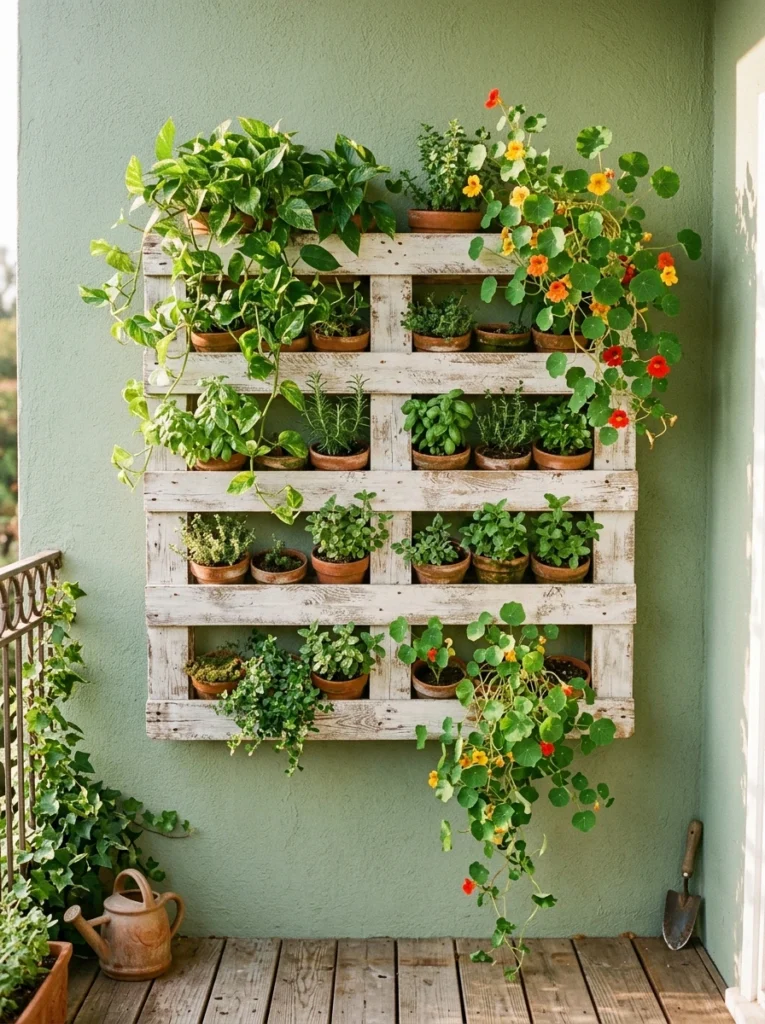
Source a heat-treated wooden pallet (look for the “HT” stamp — this means it was heat-treated rather than chemically treated, making it safe for food plants). Sand any rough edges smooth, apply a coat of exterior wood stain in a color that suits your balcony aesthetic, and staple landscape fabric to the back to hold soil inside each slat opening.
Fill each opening with a mix of potting soil and perlite, then plant trailing plants like String of pearls, Pothos, Nasturtiums, or compact herbs like thyme and oregano. Lean the pallet against your balcony wall or mount it using heavy-duty wall brackets.
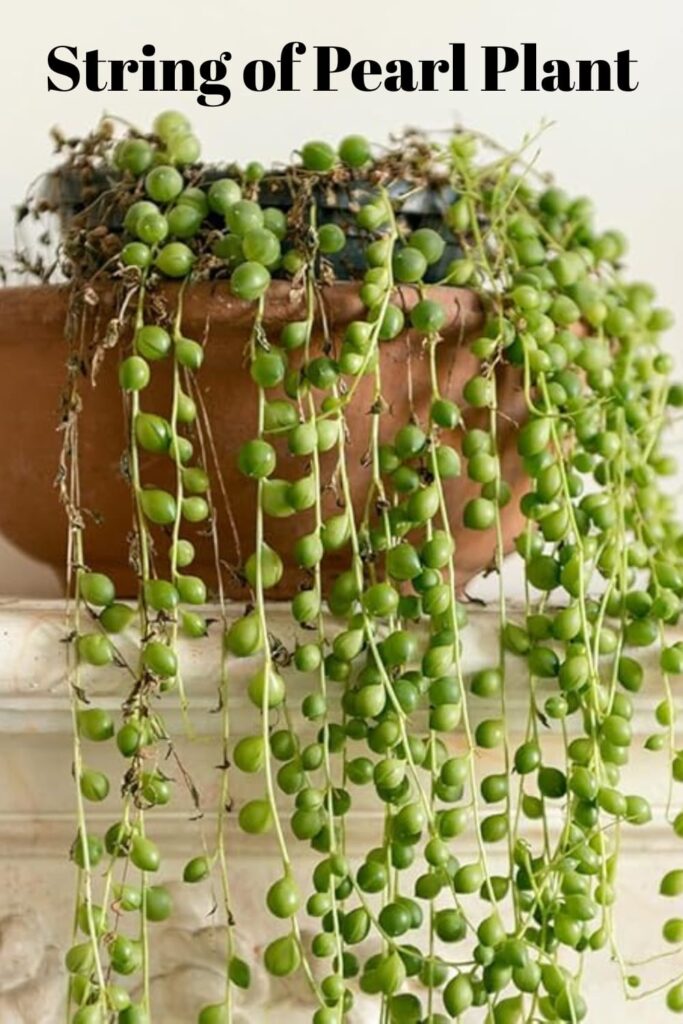
For a no-pallet alternative, the Mkono Wall Hanging Planter and the GROWNEER Wall Mounted Planter Pockets are both excellent Amazon finds under $25 that achieve the same vertical garden effect without any woodworking.
Budget estimate: Free to $30 Best plants: Pothos, herbs, strawberries, nasturtiums, ferns
2: Railing Planter Boxes
Your balcony railing is valuable real estate that most people completely ignore. Railing planter boxes attach directly to the top or inside face of your railing and instantly double your planting space without using a single inch of floor area.
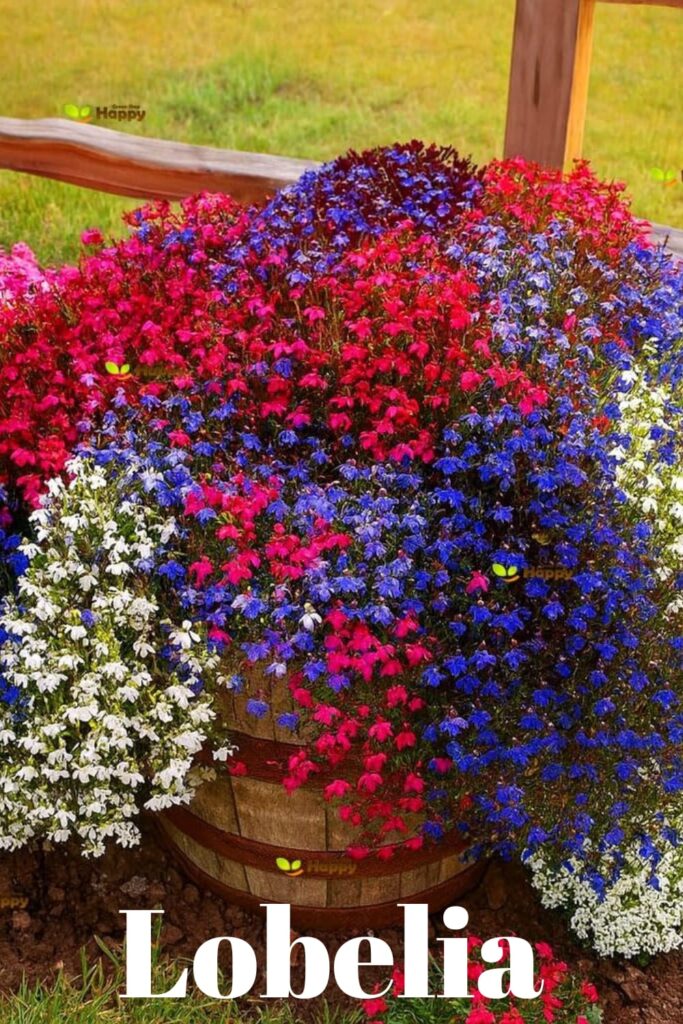
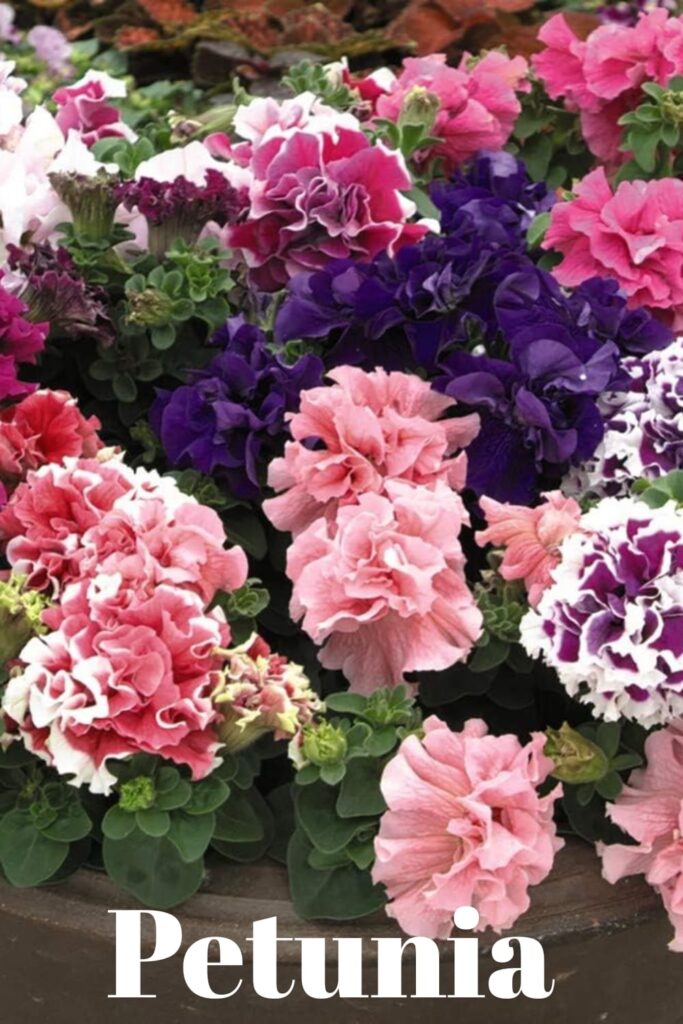
This is one of the best cheap balcony garden ideas for apartments because the planters themselves are inexpensive and the plants you fill them with can be started from seed for almost nothing. Plant trailing varieties that spill downward — bacopa, lobelia, sweet potato vine, or trailing petunias — for a waterfall-of-flowers effect that looks expensive and elaborate but costs very little.
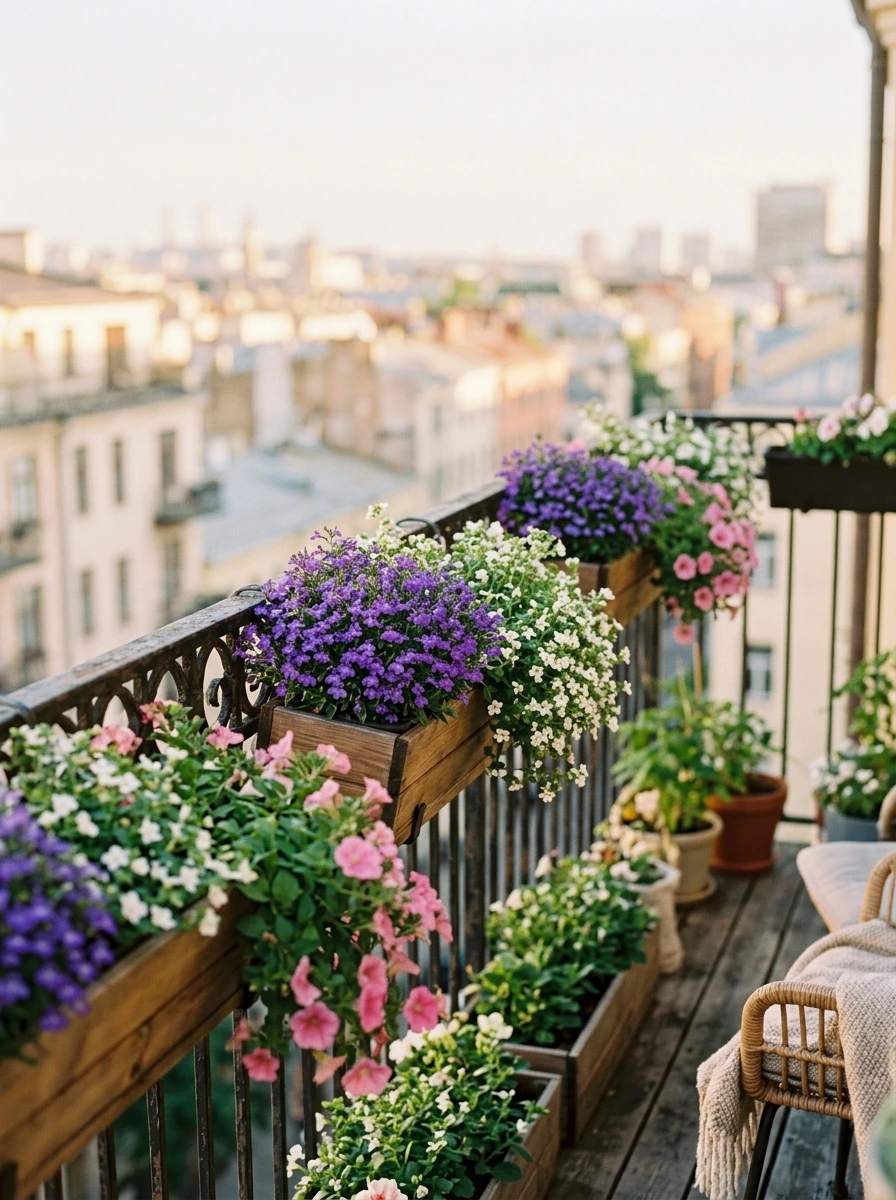
The LEOVONE Railing Planter Window Box on Amazon fits most standard railings and comes with a secure mounting system that handles wind without requiring any drilling. The Mkono Balcony Railing Planter is another top-rated option available in multiple colors to match your balcony furniture.
For edible gardens, fill railing boxes with lettuce, spinach, radishes, and herbs — all shallow-rooted crops that thrive in the limited depth of a railing planter.
Budget estimate: $15 to $35 for planters, seeds under $5
Best plants:
Petunias
Lobelia
Lettuce
Herbs
Strawberries
3: Hanging Basket Garden
Hanging baskets bring layers and dimension to a small balcony, drawing the eye upward and making the space feel larger than it is. A cluster of three hanging baskets at varying heights — filled with different trailing and flowering plants — creates a lush, garden-like atmosphere even in the tightest spaces.
Macrame hanging planters are particularly popular right now for their bohemian, handcrafted aesthetic. The TIMEYARD Macrame Plant Hangers on Amazon come in sets of four with wooden beads and are consistently top-rated for both quality and appearance. Pair them with terracotta pots for a warm, earthy look or ceramic white pots for a cleaner, more modern aesthetic.
For the easiest possible hanging garden, pre-planted hanging basket liners filled with slow-release fertilizer pellets need almost no maintenance beyond weekly watering. Replace the liner each season for a fresh look without repotting.
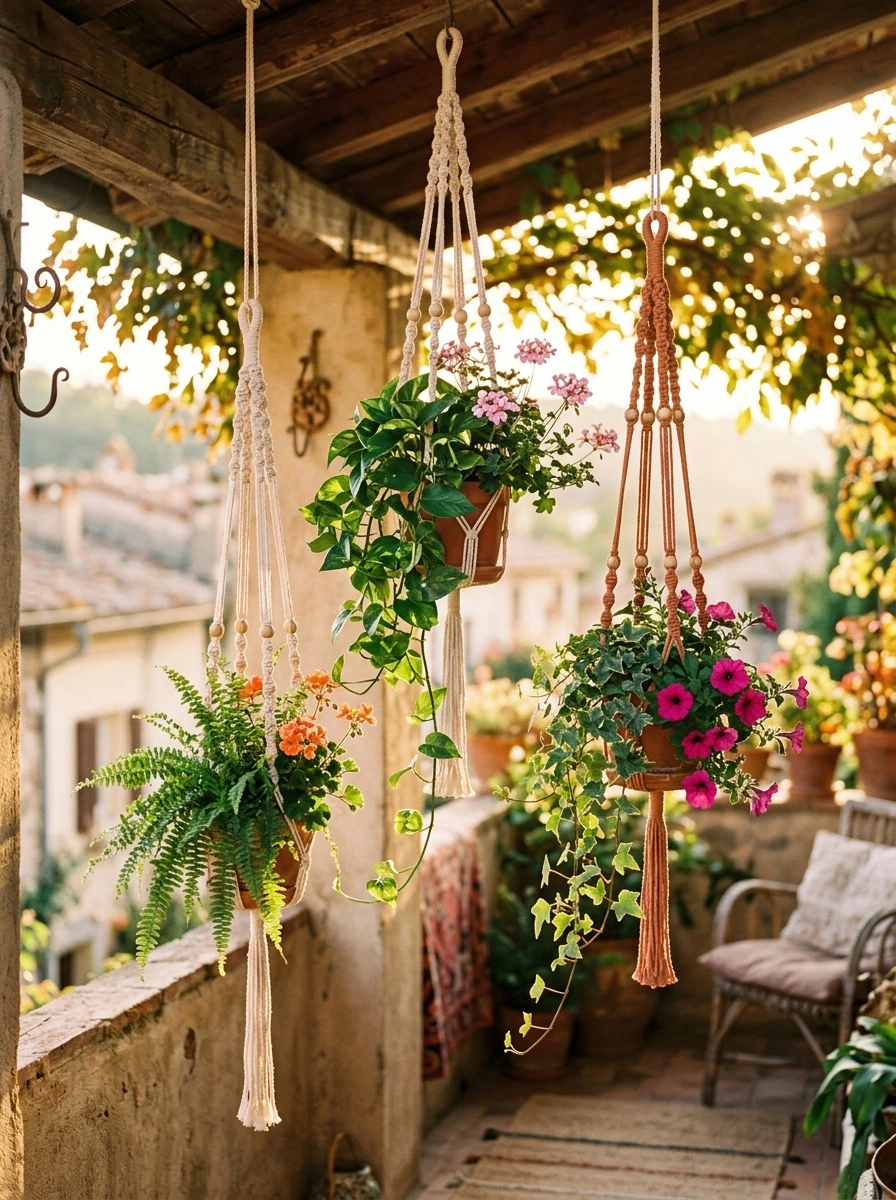
This idea works especially well for apartment balcony garden ideas where drilling into walls is restricted — most hanging baskets can be suspended from existing ceiling hooks or balcony beam clamps that require no permanent installation.
Budget estimate: $20 to $40
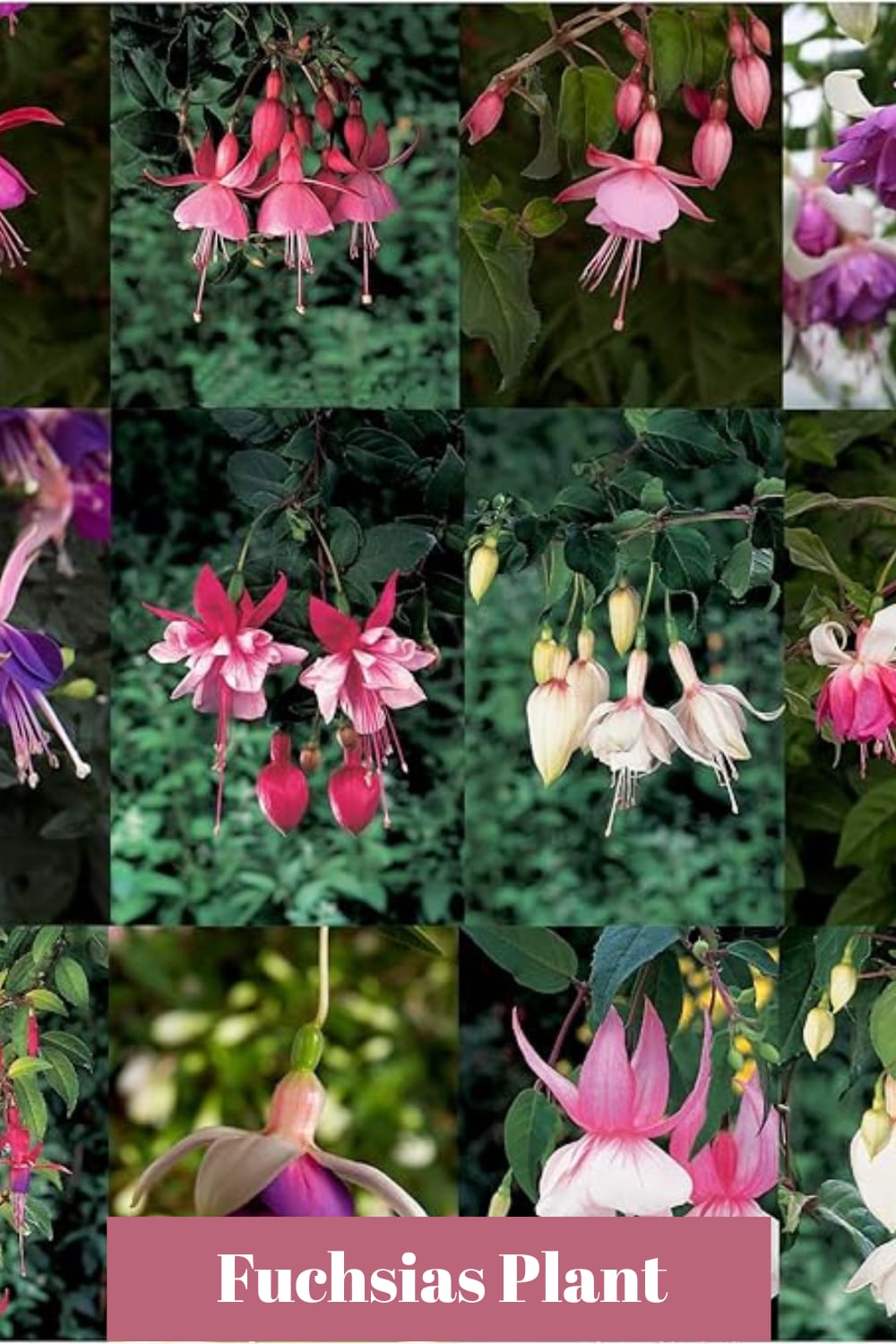
Best plants: Fuchsia, impatiens, trailing petunias, ferns, pothos
4: DIY Herb Garden Corner
A DIY herb garden corner is the most practical thing you can add to any balcony. Fresh herbs elevate every meal, they smell incredible in the evening breeze, they attract pollinators, and they are among the easiest plants to grow in containers.
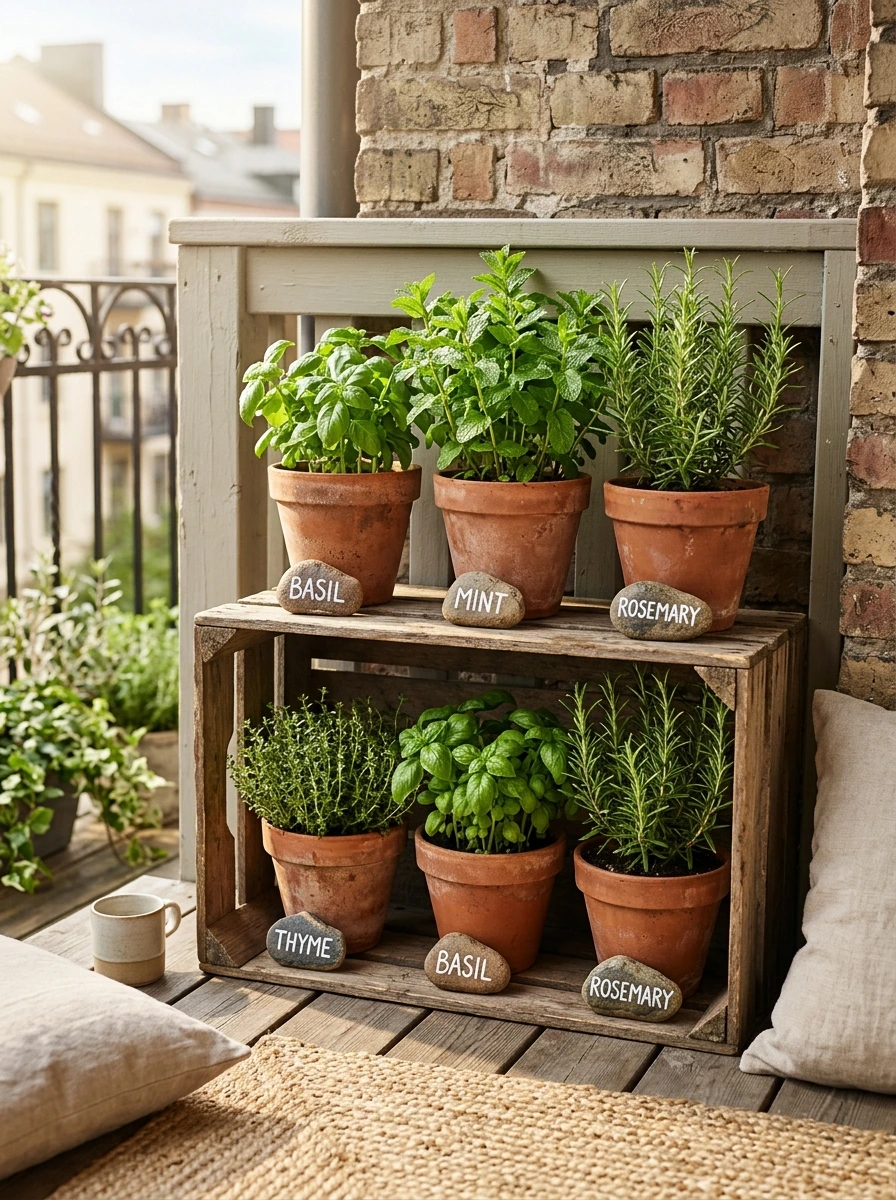
The classic approach uses a small wooden crate shelf — either purchased or built from scrap wood — holding four to six small pots at different levels. Plant basil, mint, rosemary, thyme, parsley, and cilantro. Label each pot with hand-painted stones or small wooden plant markers for an aesthetic that photographs beautifully.
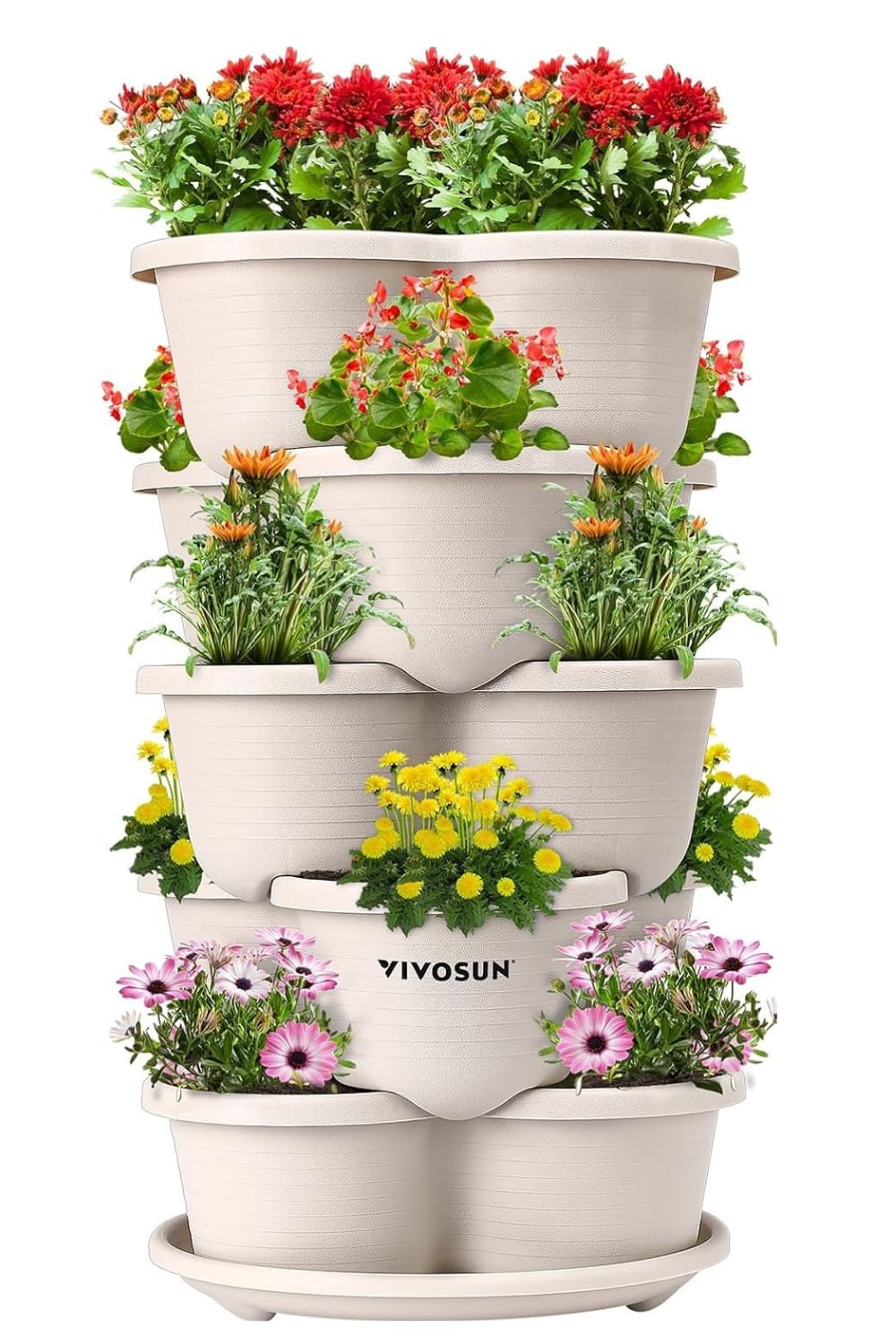
The VIVOSUN 5-Pack Herb Garden Planter Pots on Amazon are specifically designed for herb growing with drainage holes and saucers included. For a self-contained all-in-one solution, the Back to the Roots Window Garden Herb Kit includes everything — pots, soil, and seeds — making it perfect for complete beginners trying balcony garden ideas for beginners.
Keep mint in its own separate pot — it spreads aggressively and will crowd out neighboring herbs if planted together. Place your herb corner in your balcony’s sunniest spot, as most culinary herbs need at least four to six hours of direct sun daily.
Budget estimate: $15 to $40
Best herbs: Basil, mint, rosemary, thyme, parsley, chives
5: Fairy Light and Plant Aesthetic Corner
This idea is pure Pinterest magic — and it costs almost nothing to execute. Create a dedicated corner of your balcony where plants and soft lighting coexist, producing an atmosphere that feels like a private outdoor café.
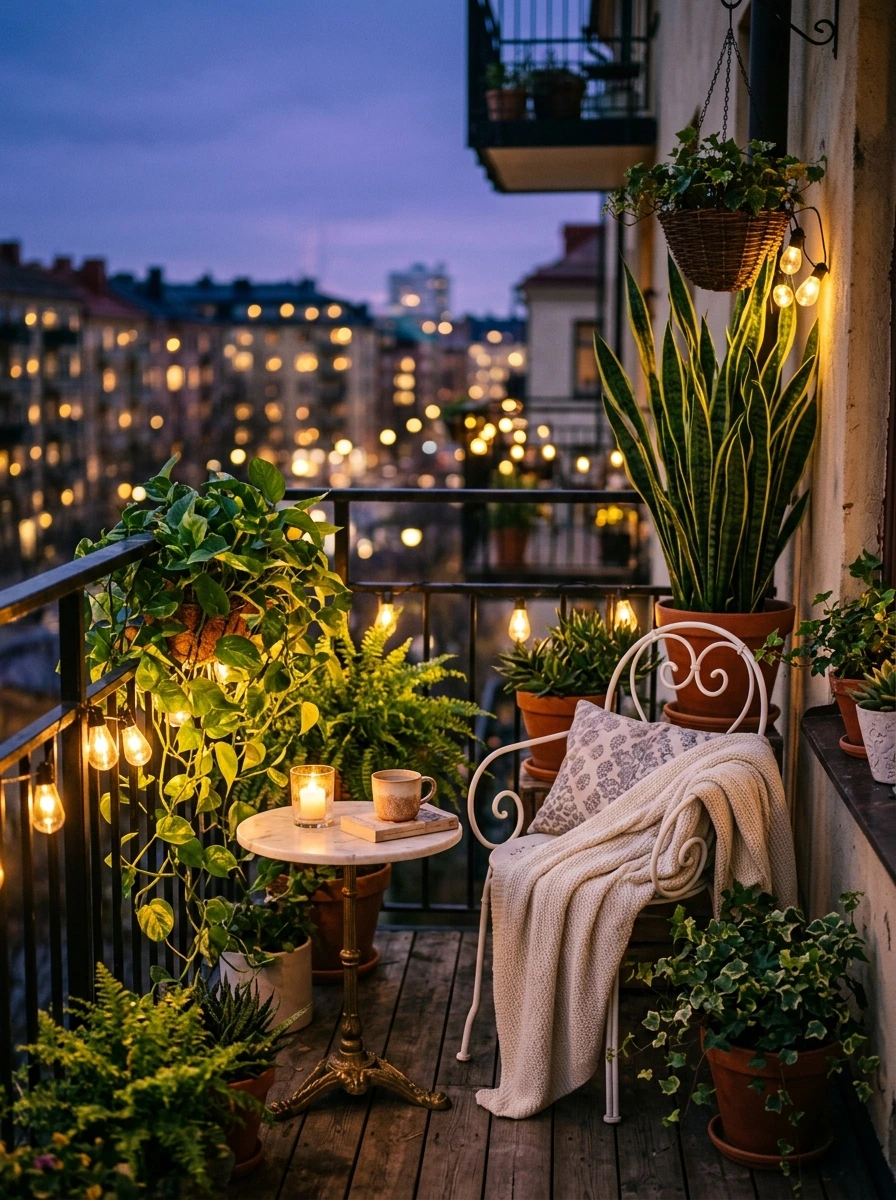
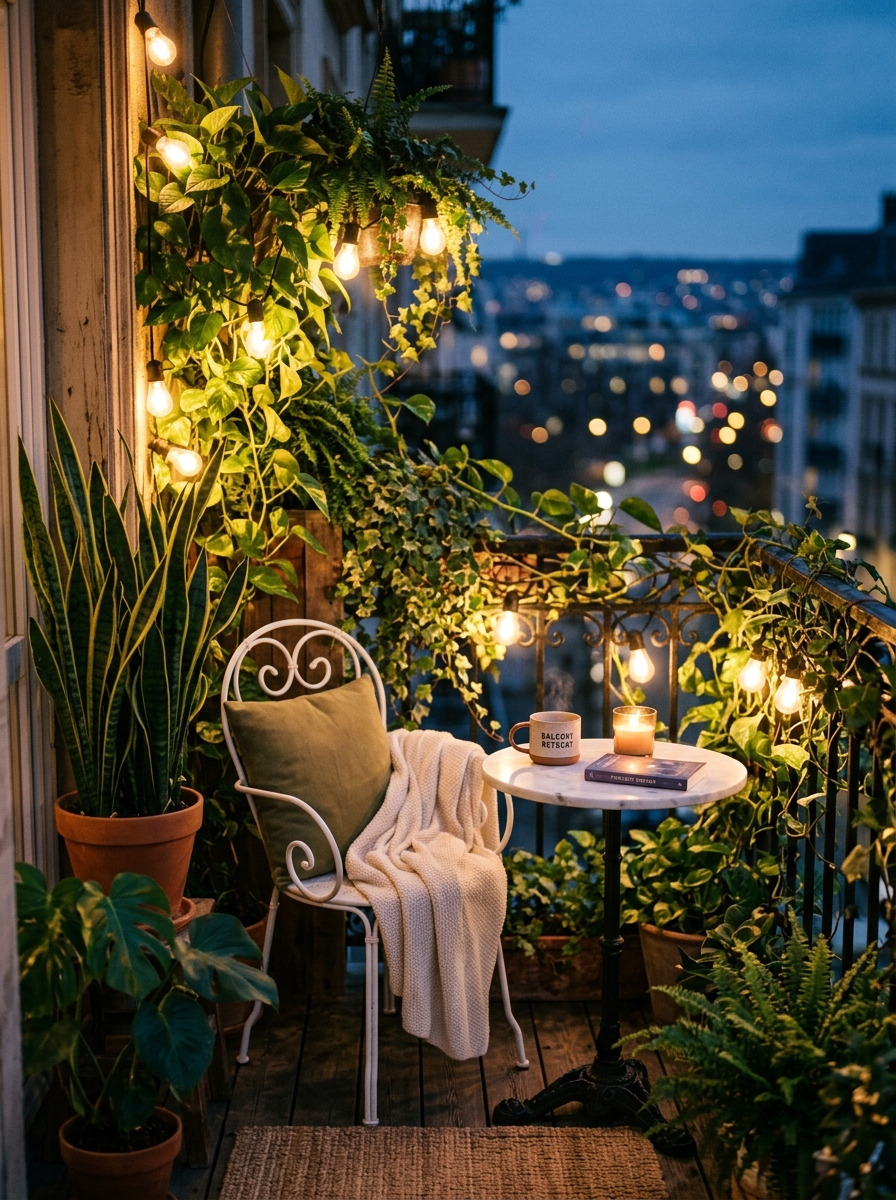
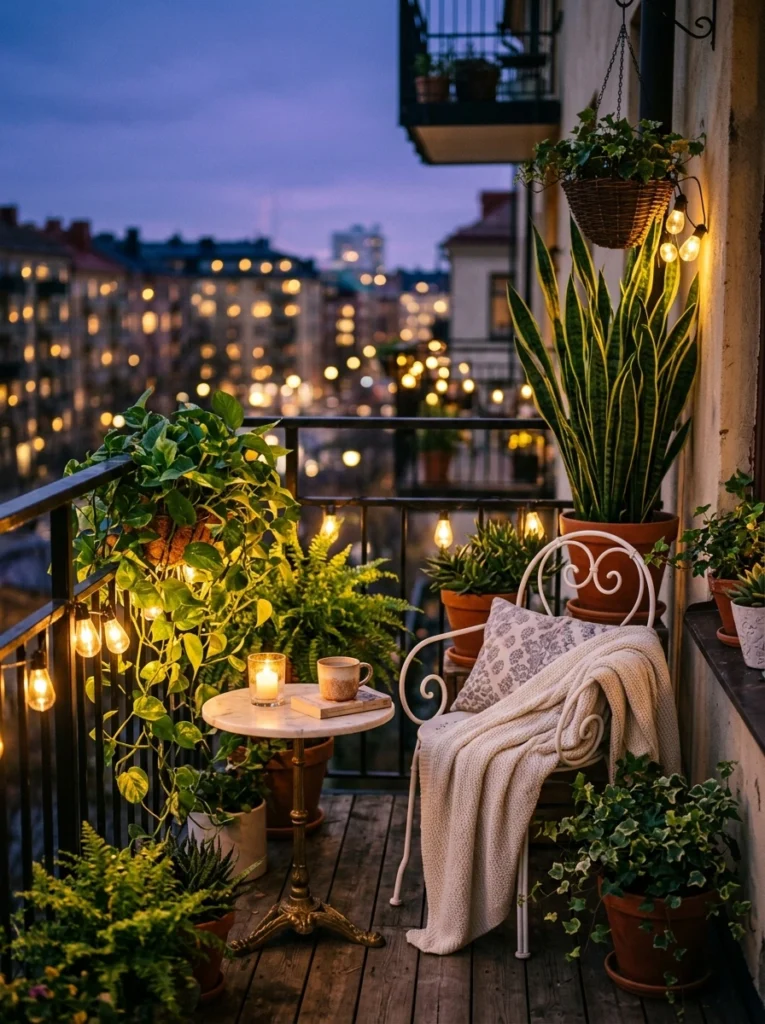
The formula is simple: cluster three to five plants of varying heights together in one corner. Place the tallest at the back (a fiddle leaf fig, bamboo, or tall snake plant in a floor pot), medium plants in the middle (potted ferns, peace lilies, or philodendrons), and trailing plants or succulents at the front. Then weave solar-powered fairy lights through and around the plants so they glow softly after dark.
The Brightown Solar String Lights on Amazon are waterproof, require no electricity, and provide eight hours of soft warm light after a day of sun charging. The Govee Outdoor String Lights with Edison bulbs create a warmer, more golden glow for a cozier evening atmosphere.
Add a small bistro chair and side table in the corner and you have a complete outdoor retreat that took one afternoon to create and costs under $60 total.
Budget estimate: $25 to $60
Best plants: Snake plant, fern, pothos, peace lily, bamboo
6: Tiered Plant Stand
When floor space is the limiting factor, a tiered plant stand is the most space-efficient solution available. A three or four-tier stand holds eight to twelve plants in the footprint of a single large pot.
Arrange plants by height and light needs — sun-loving plants on the top tier where light is strongest, shade-tolerant plants on lower tiers. Mix textures and colors deliberately: a spiky cactus beside a soft trailing string of pearls beside a broad-leafed hosta creates visual interest that a uniform planting never achieves.
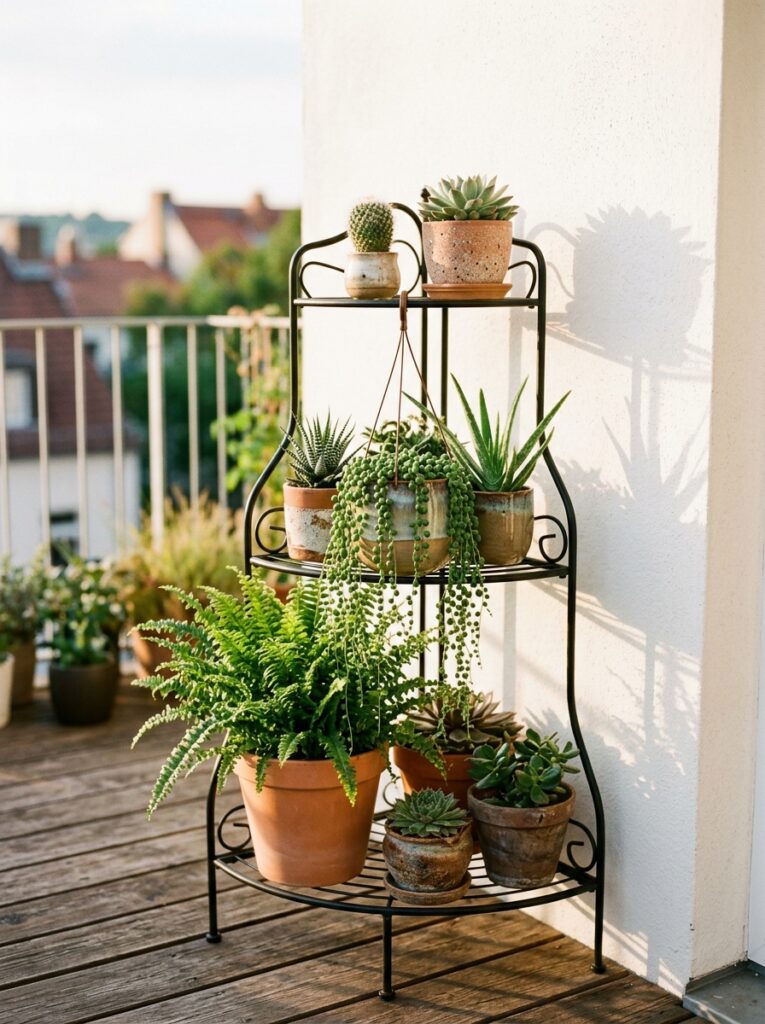
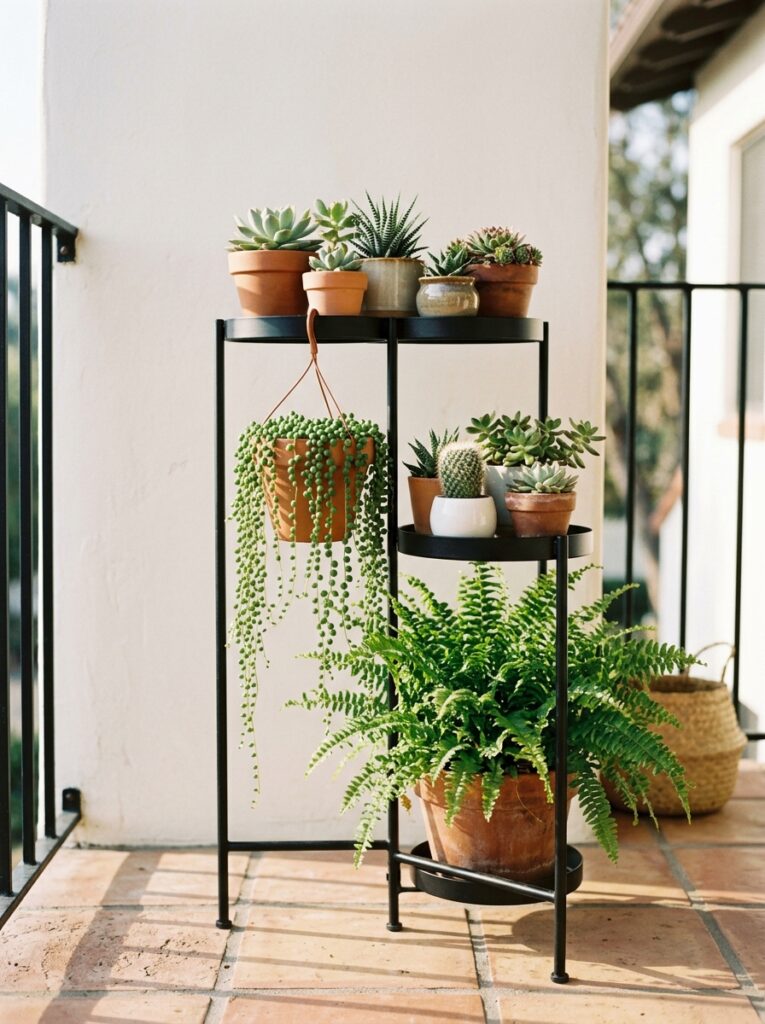
The FANHAO 4-Tier Plant Stand on Amazon is one of the best-selling options in this category, with a powder-coated steel frame that handles outdoor conditions without rusting. The Bamboo Plant Stand 3-Tier is a warmer, more natural-looking alternative that suits bohemian and natural aesthetics particularly well.
This is one of the most effective small balcony garden ideas on a budget for people who want a lot of plants without a lot of space — and without a lot of effort arranging them.
Budget estimate: $20 to $45 for the stand, plants extra
Best plants: Succulents, cacti, herbs, trailing plants, small ferns
7: Balcony Privacy Screen with Climbing Plants
This idea solves two problems simultaneously — it gives you privacy from neighbors and creates a living green wall. A bamboo privacy screen or wooden trellis mounted along the outer edge of your balcony provides a structure for climbing plants to grow up and over, eventually creating a dense natural screen.
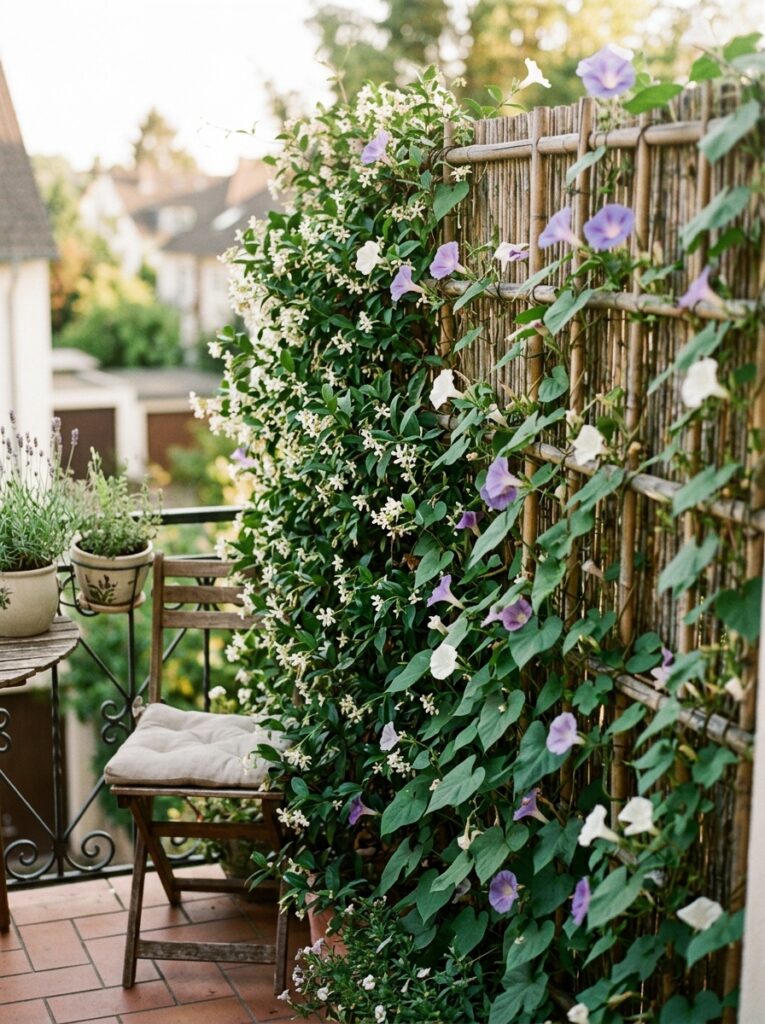
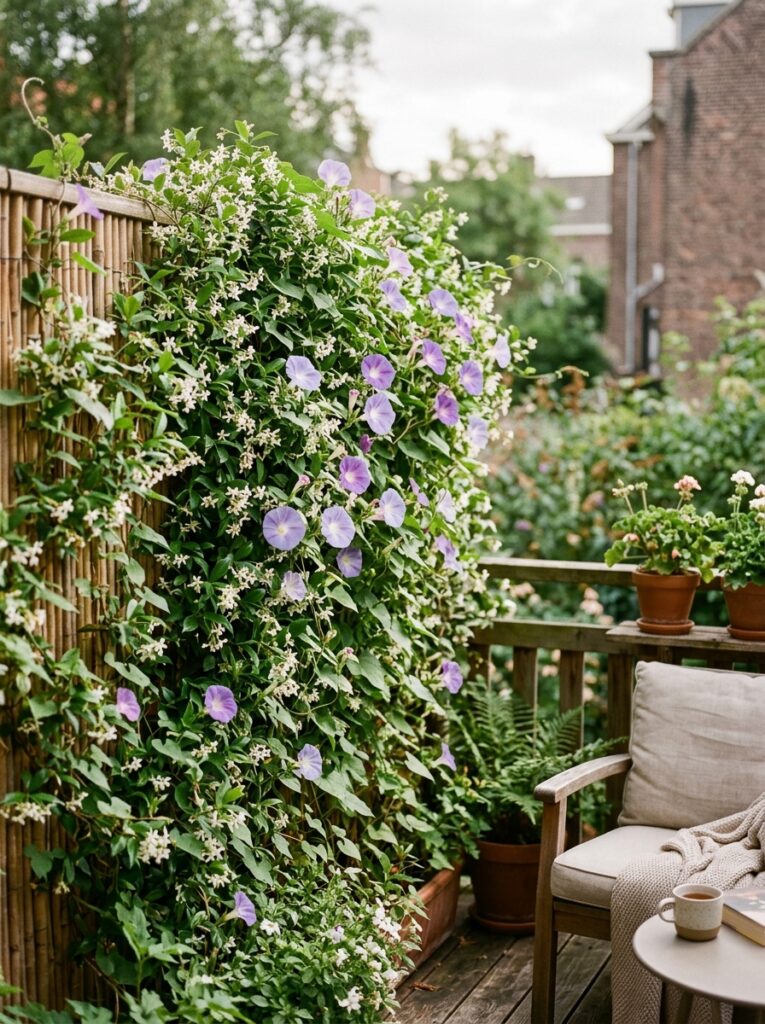
Fast-growing climbing plants suitable for containers include jasmine (fragrant and beautiful), morning glory (stunning daily blooms), black-eyed Susan vine, and climbing nasturtium. For a food-productive option, runner beans and cucumbers climb readily and produce edible harvests throughout the season.
The ZENY Bamboo Privacy Screen on Amazon installs without tools using zip ties and creates an immediate visual barrier while your plants establish. The Gardener’s Blue Ribbon Ultomato Plant Cage works as an excellent freestanding trellis for container climbing plants on balconies where wall mounting is not possible.
Budget estimate: $20 to $50 for the screen, seeds under $5
Best plants: Jasmine, morning glory, nasturtium, runner beans, sweet peas
8: Succulent and Cactus Mini Garden
For anyone who loves the look of a garden but struggles with consistency in watering and care, a succulent and cactus mini garden is the perfect solution. These plants are practically indestructible, require watering only once every one to two weeks, and come in such extraordinary variety of shapes and colors that an arrangement of eight to ten different varieties looks like living sculpture.
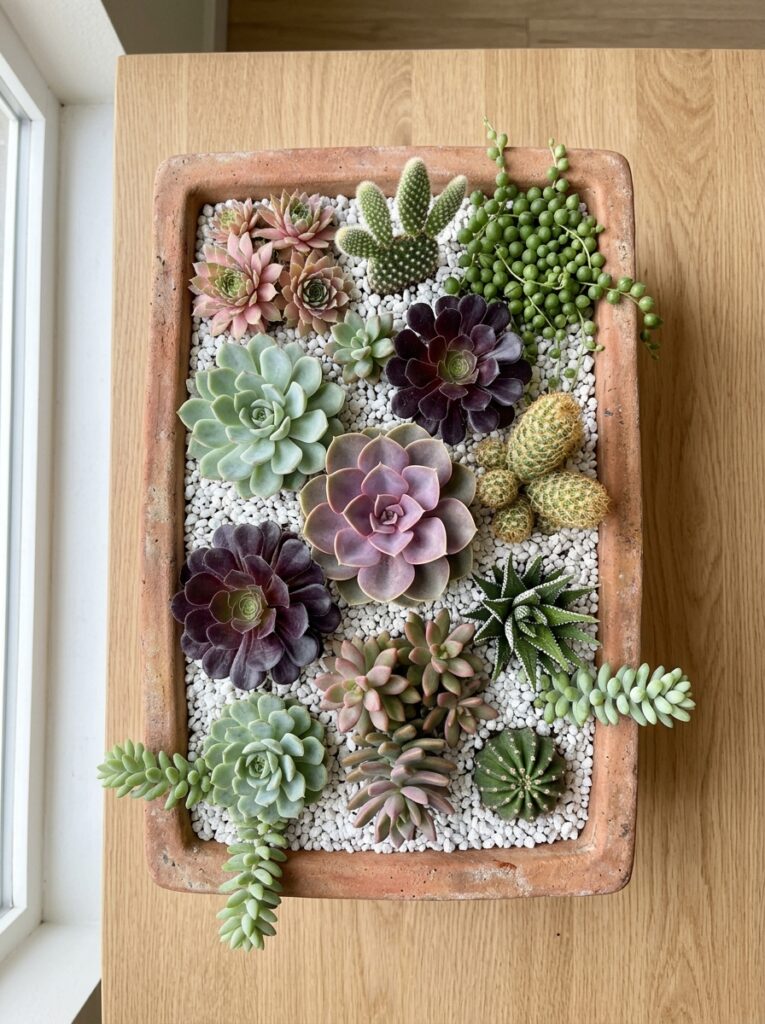
Group succulents and cacti together in a wide, shallow terracotta trough planter filled with a cactus-specific potting mix (regular potting soil holds too much moisture and causes root rot). Top dress the soil with decorative gravel or colored pebbles for a finished, polished look.
The Altman Plants Assorted Succulents 20-Pack on Amazon gives you twenty different varieties at a fraction of the cost of buying individually. The Hoffman 10410 Organic Cactus and Succulent Soil Mix ensures proper drainage from the very start.
This is genuinely the lowest-maintenance way to have a beautiful aesthetic balcony garden 2026 — and it photographs incredibly well in natural light.
Budget estimate: $20 to $45
Best varieties: Echeveria, haworthia, aloe, sedum, mammillaria cact
9: Upcycled Container Garden
This is the truly zero-cost idea — and often the most creative and characterful of all. Almost any container can become a plant pot with a few drainage holes drilled in the bottom. Old tin cans painted in coordinating colors and mounted on a wooden board create a modern, graphic herb wall. A worn wooden ladder leaned against the wall holds plants on each rung. Vintage colanders, old teapots, cracked ceramic bowls, worn rubber boots, and wooden wine boxes all become charming plant containers with a little imagination.
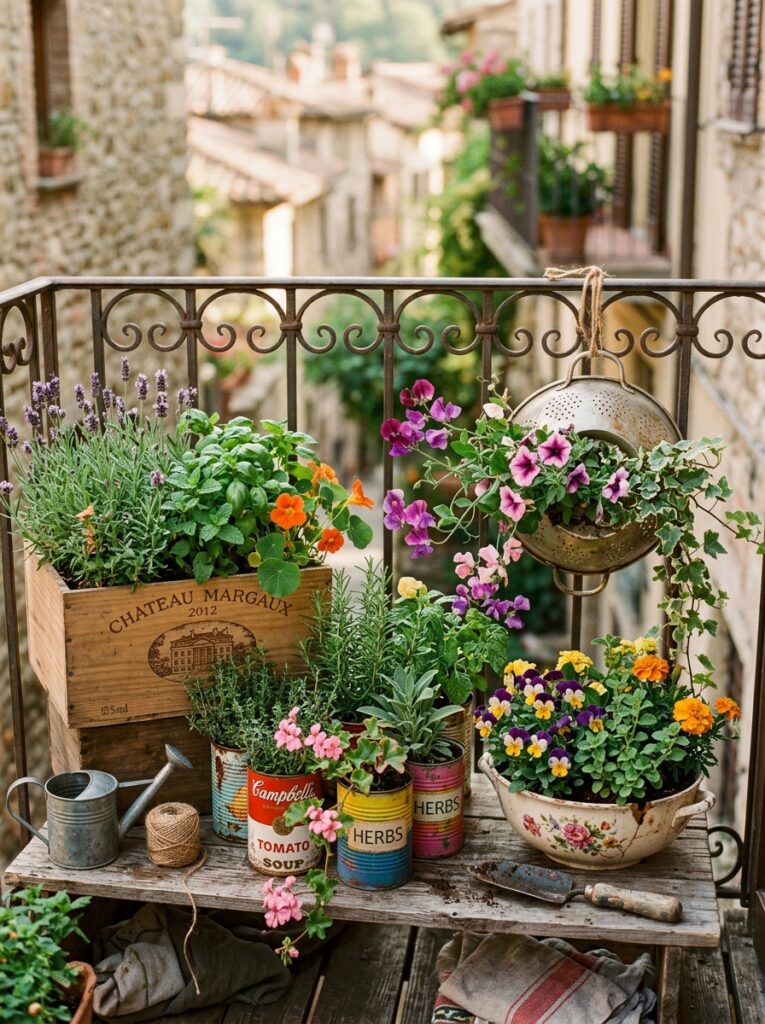
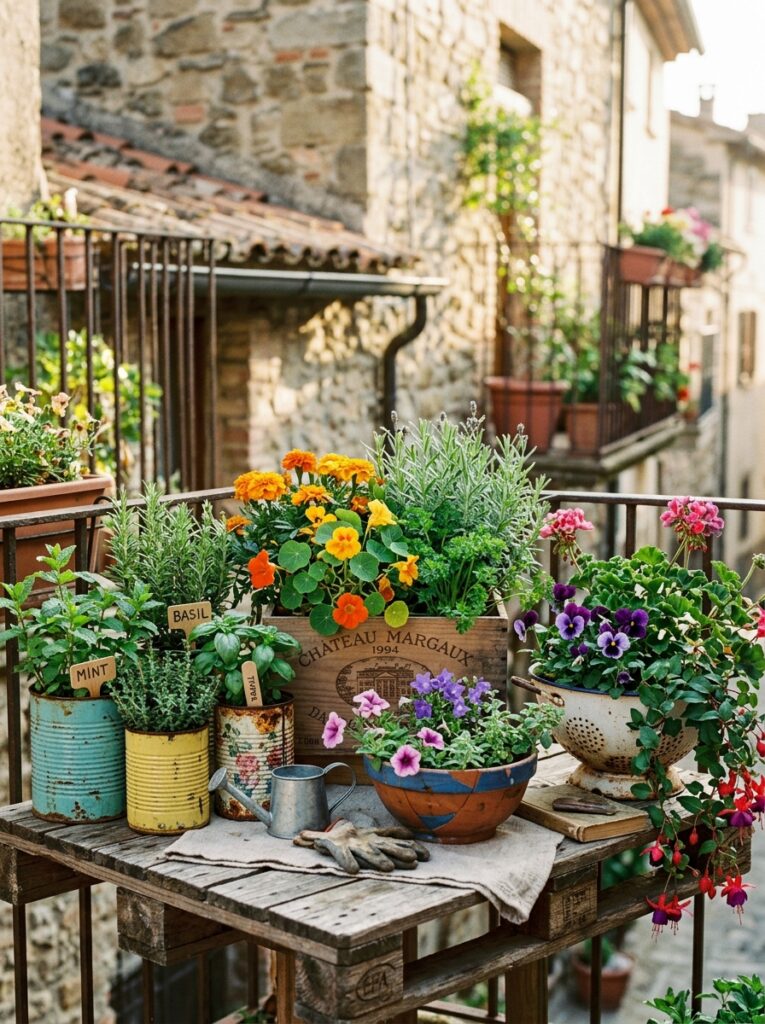
Search “upcycled planter ideas” on Pinterest for endless inspiration — this aesthetic consistently generates high engagement because it is both sustainable and visually distinctive. Document your process as you create and photograph your finished containers beautifully — this content performs extremely well on Pinterest and helps drive traffic to your blog.
The only product you genuinely need for this idea is good quality potting mix — the Miracle-Gro Potting Mix on Amazon is the most reliable general-purpose option available and significantly outperforms cheaper alternatives in plant growth and drainage.
Budget estimate: $0 to $15 (just potting mix)
Best plants: Herbs, succulents, trailing ivy, pansies, violas
10: Zen Balcony Garden with Pebbles and Greenery
The Zen-inspired balcony garden is the most calming, most sophisticated, and most visually distinctive approach on this list. Drawing from Japanese garden design principles, it combines minimalist plant selection with natural materials — pebbles, bamboo, stone — to create a space that feels peaceful the moment you step onto it.
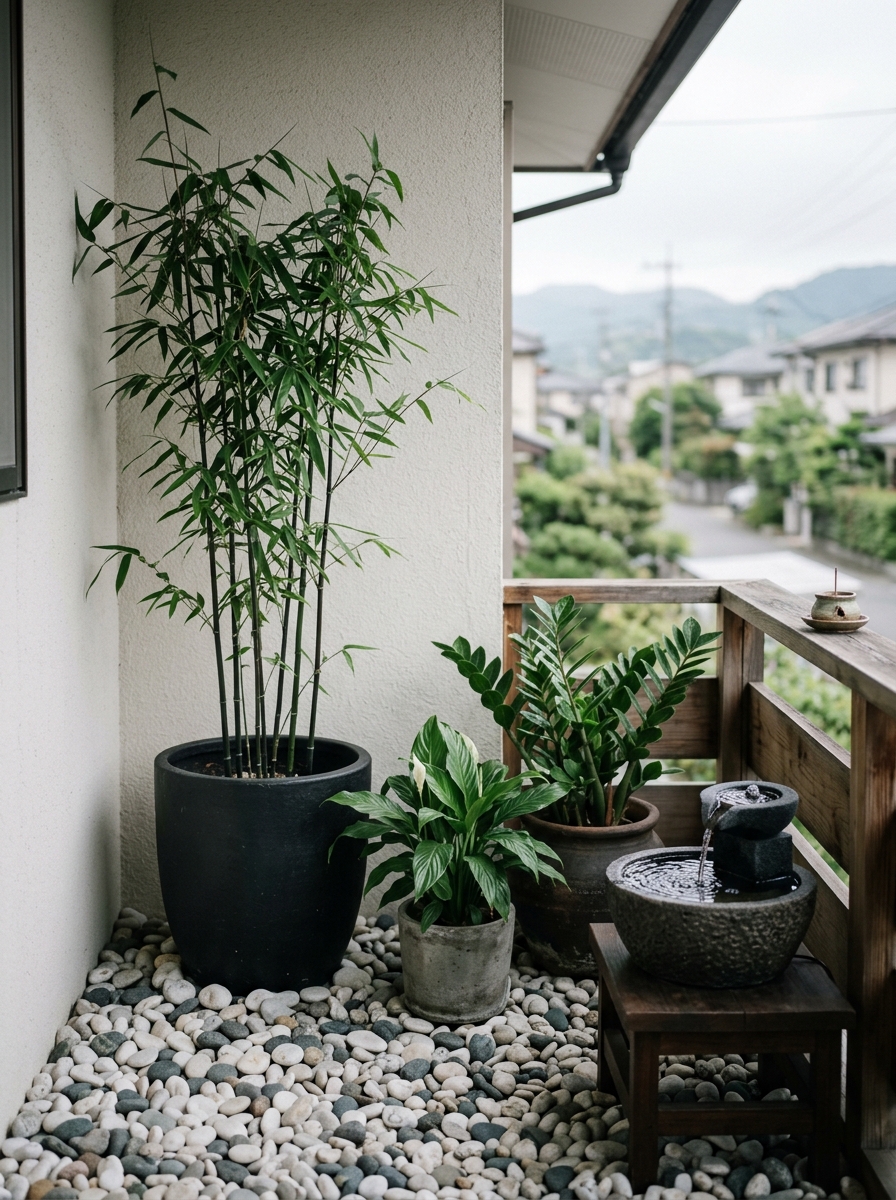
The foundation is a layer of decorative white or grey pebbles covering the balcony floor (placed on top of a weed membrane to protect the surface). Against one wall, place a tall bamboo plant in a dark ceramic pot. Add a peace lily, a ZZ plant, and a low moss ball (kokedama) on a small wooden platform. Include a small water feature — even a tabletop solar fountain creates the sound of moving water that defines the Zen aesthetic.
The ARCADIA GARDEN PRODUCTS Decorative Pebbles on Amazon are perfect for this application. The SZMP Solar Fountain Pump requires no wiring and creates a gentle water sound that transforms the entire balcony atmosphere.
Resist the urge to add more — restraint is the defining principle of Zen design. Three to five plants, natural materials, and open space are all you need.
Budget estimate: $40 to $80
Best plants: Bamboo, peace lily, ZZ plant, moss, bonsai
Budget Breakdown: What You Can Achieve at Every Level
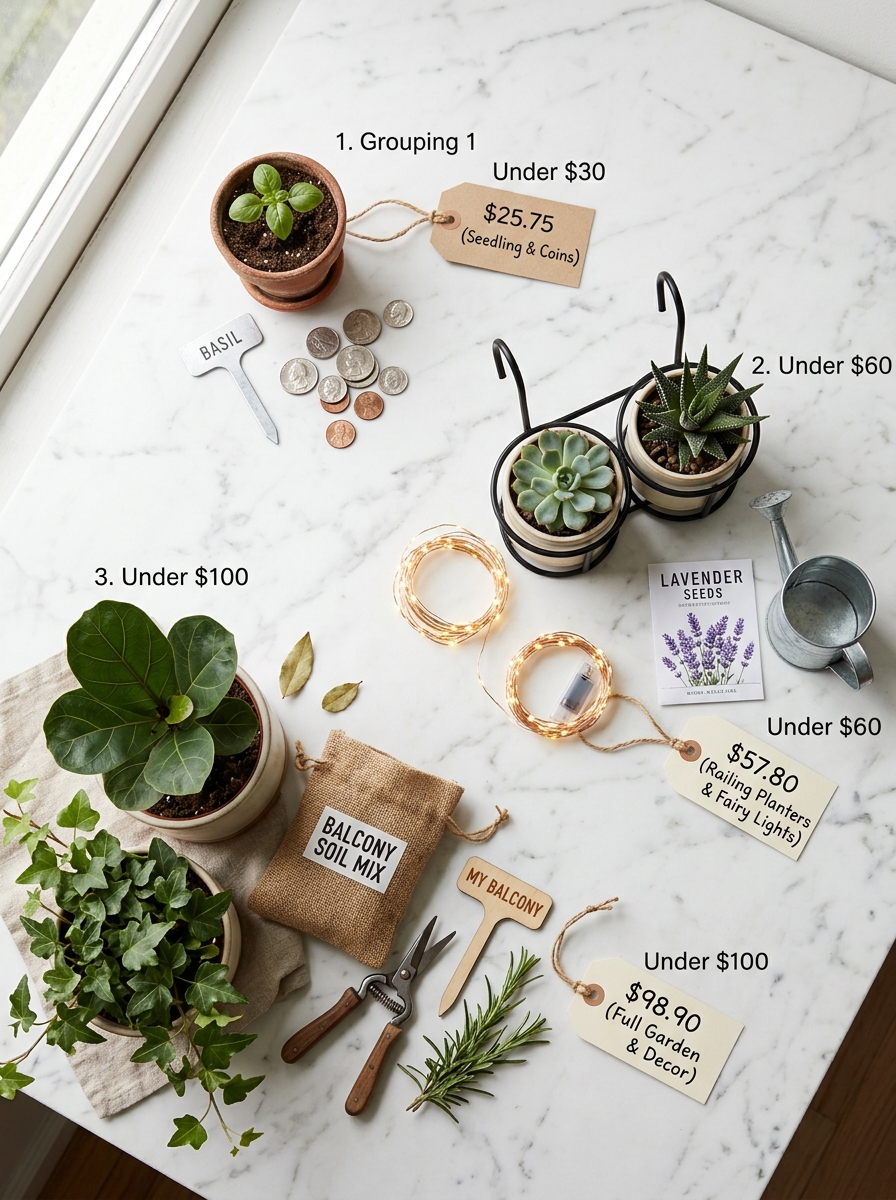
Under $30: Upcycled container garden plus one vertical pallet wall with seeds. Fully functional, highly aesthetic.
Under $60: Railing planters, a tiered plant stand, fairy lights, and a DIY herb corner. A genuinely complete balcony garden.
Under $100: All of the above plus a privacy screen with climbing plants and a small Zen corner. A fully transformed outdoor space that looks professionally designed.
Quick Tips for Balcony Gardening Success
Sunlight assessment: Before buying any plant, spend one day observing how many hours of direct sun your balcony receives. Full sun (six-plus hours) supports vegetables, herbs, and most flowering plants. Partial shade (three to six hours) suits ferns, impatiens, and peace lilies. Deep shade (under three hours) limits you to pothos, snake plants, and ZZ plants — but those are beautiful options.
Watering efficiently: Balcony plants dry out faster than ground plants because containers have limited soil volume and wind increases evaporation. Self-watering pots and drip tray reservoirs significantly reduce how often you need to water. The Santino Self Watering Planter on Amazon is one of the best-reviewed options for balcony use.
Weight awareness: If you are planning a large balcony garden with many pots, be mindful of total weight — saturated soil is heavy. Use lightweight fabric grow bags and perlite-heavy potting mixes to keep the overall weight manageable. Plastic pots weigh significantly less than ceramic or terracotta when scaling up.
Wind protection: High balconies experience strong winds that damage delicate plants and dry soil rapidly. Position sensitive plants against walls for shelter, and choose sturdy varieties known for wind tolerance — lavender, ornamental grasses, and rosemary all handle wind well.
Final Thoughts
Your balcony — however small, however bare it looks right now — has the potential to become the most-used and most-loved space in your home. These 10 small balcony garden ideas on a budget prove that square footage is not the limiting factor. Creativity and a little investment of time and money are all that stand between your current balcony and the green, glowing, aesthetic retreat you have been picturing.
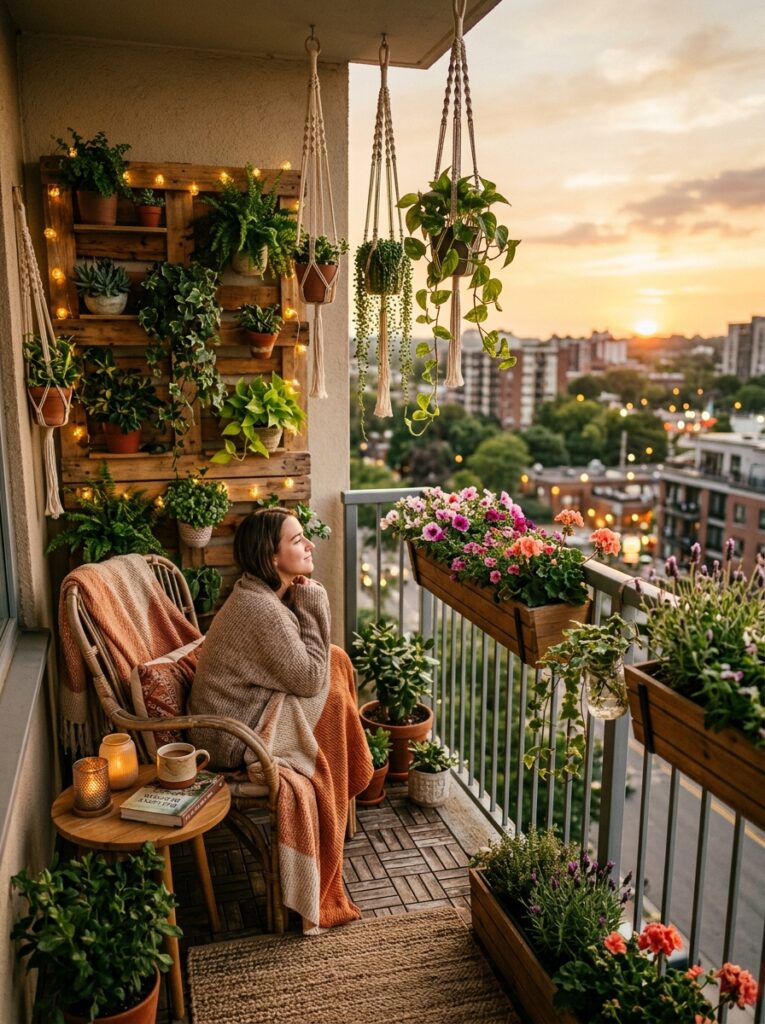
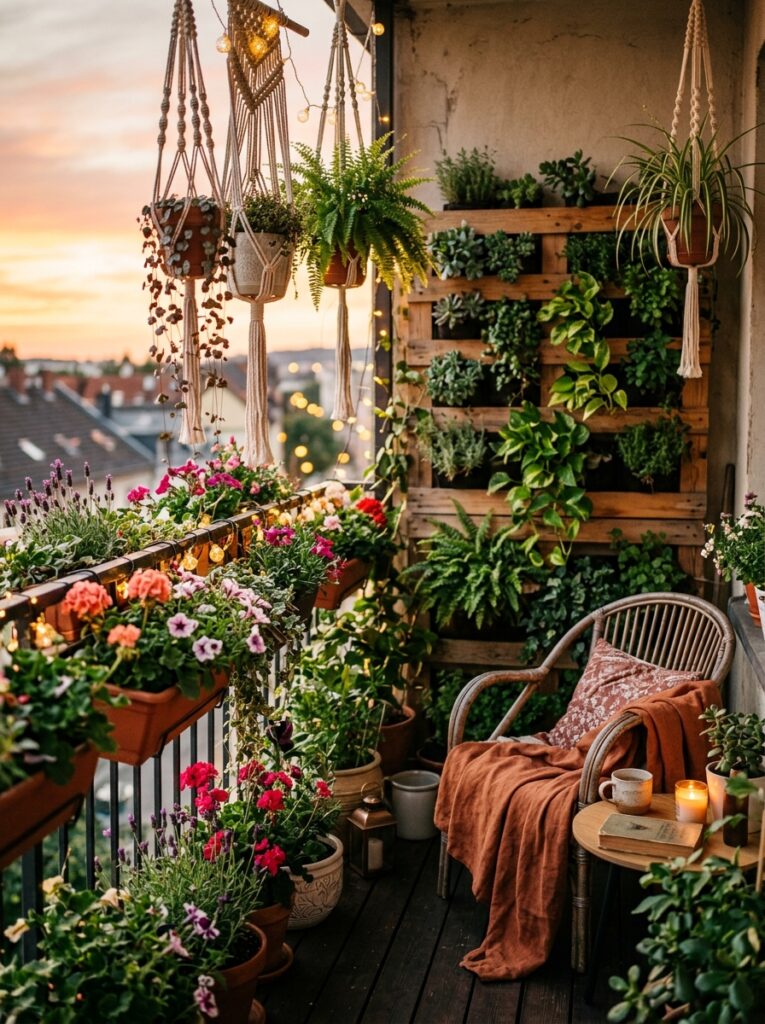
Start with one idea this weekend. Just one. Add the next idea next month. By the end of the season you will have a small balcony makeover that surprises even you — and gives you something genuinely worth pinning. 🌿
Frequently Asked Questions (FAQ)
Q1: What can I do to create a beautiful balcony garden?
Creating a beautiful balcony garden starts with a simple three-step approach: assess, plan, and execute.
First, assess your space honestly. Measure your balcony dimensions, observe how many hours of sunlight it receives daily, and note which direction it faces. A south-facing balcony gets the most sun while a north-facing one stays mostly shaded — this determines everything about which plants will work for you.
Second, plan your layout before spending a single rupee or dollar. Decide which areas will have floor plants, which wall or railing space will hold mounted planters, and whether you have ceiling hooks or beams for hanging baskets. Sketch a rough layout on paper — it takes ten minutes and saves hours of rearranging later.
Third, execute in layers. Start with your largest plant or structural element (a tall floor pot, a vertical pallet wall, or a tiered plant stand) and build outward from there. Add medium plants next, then trailing and hanging plants, and finish with decorative touches like fairy lights, pebbles, and plant markers.
The most important thing to remember is that beauty in a balcony garden comes from variety — mixing different leaf shapes, plant heights, pot textures, and colors creates visual richness that a single type of plant never achieves. Combine a spiky cactus with a soft trailing pothos, a broad-leafed peace lily with delicate feathery ferns, and your balcony instantly looks professionally designed.
Finally, do not neglect the non-plant elements. A small bistro chair, a weatherproof outdoor rug, soft string lights, and a few decorative pots transform a collection of plants into a complete outdoor living space that you genuinely want to spend time in.
Q2: How to make your own small garden in an apartment?
Making your own garden in an apartment is entirely possible even without outdoor space — and with a balcony, your options expand dramatically.
Start with containers. Every apartment garden lives in pots, planters, grow bags, or hanging baskets. Choose containers with drainage holes — this is non-negotiable. Without drainage, roots sit in waterlogged soil and rot within weeks. Place saucers underneath to catch excess water and protect your flooring.
Choose the right soil. Never use garden soil from outside in containers — it compacts, drains poorly, and often carries pests. Use a quality potting mix specifically formulated for container gardening. Adding perlite (roughly 20% of your total mix volume) improves drainage and aeration significantly.
Select apartment-friendly plants. The best plants for apartment gardens are those that thrive in containers and tolerate the slightly different conditions of balcony life — more wind, faster drying soil, and reflected heat from walls. Top choices include herbs like basil, mint, and rosemary; vegetables like cherry tomatoes, lettuce, and chili peppers; flowering plants like petunias, marigolds, and geraniums; and foliage plants like pothos, snake plants, and philodendrons.
Water correctly. Apartment balcony plants dry out faster than ground plants because containers have limited soil volume and wind increases evaporation. Check soil moisture by pushing your finger one inch into the soil — water only when it feels dry at that depth. Overwatering kills more apartment garden plants than underwatering does.
Fertilize regularly. Container plants exhaust their soil nutrients within six to eight weeks. After that point, feed with a balanced liquid fertilizer every two weeks during the growing season to maintain healthy, productive growth.
Use vertical space. Apartment gardeners who only think horizontally miss their most valuable real estate. Wall-mounted planters, hanging baskets, railing boxes, and tiered plant stands multiply your growing space several times over without using any additional floor area.
Q3: How to set up a small garden on a balcony?
Setting up a balcony garden is a straightforward process when broken into clear stages. Here is the complete setup sequence from bare balcony to thriving garden:
Stage 1 — Clean and prepare your balcony. Sweep thoroughly, check that drainage gaps in the floor are clear (blocked drainage causes water pooling under pots), and wipe down railings. A clean starting surface makes everything that follows easier.
Stage 2 — Install your structural elements first. Mount any wall planters, install railing planter brackets, add ceiling hooks for hanging baskets, and position your largest floor pots or plant stands. These are the hardest elements to move once plants are added, so getting them right at the start saves significant effort.
Stage 3 — Choose and prepare your soil. Fill all containers with a quality potting mix before adding plants. Water the soil thoroughly and allow it to drain completely before planting — this settles the mix and reveals any containers with poor drainage that need adjusting.
Stage 4 — Plant strategically. Place sun-loving plants in your sunniest positions and shade-tolerant plants in sheltered corners. Put tall plants at the back or against walls so they do not block light from shorter plants in front. Group plants with similar watering needs together to simplify your care routine.
Stage 5 — Set up a watering system. For a small balcony, a quality watering can with a long spout handles everything. For a larger setup, consider a simple drip irrigation kit that connects to an outdoor tap and waters automatically on a timer — this is particularly valuable during summer heat or when you travel.
Stage 6 — Add finishing details. An outdoor rug defines the space and protects your balcony floor from water stains and soil spills. String lights or solar lanterns create evening atmosphere. Plant labels, decorative pebbles as top dressing, and a small seating area complete the transformation from plant collection to genuine garden retreat.
Stage 7 — Establish a care routine. Water in the early morning when possible — this gives leaves time to dry before nightfall, reducing fungal disease risk. Check plants weekly for pests, remove dead leaves promptly, and fertilize every two weeks during the growing season. A consistent routine of fifteen minutes twice a week keeps a balcony garden looking its best year-round.
Q4: How to create a small garden at home?
Creating a small garden at home — whether on a balcony, in a front yard corner, on a windowsill, or inside — follows the same core principles regardless of where you start.
Define your garden zone. Even in the smallest home, designating a specific area as “the garden” creates focus and prevents the scattered, unfinished look of random pots placed without intention. On a balcony, this might be an L-shaped corner. In a front yard, it might be a 4×4 foot raised bed. Inside, it might be a sunny windowsill shelf. Draw a boundary — physical or visual — and work within it.
Layer your planting. Professional garden designers always think in layers: tall background plants that provide structure and height, medium plants that fill the middle ground with color and texture, and low or trailing plants at the front or edges that soften hard lines and create a sense of abundance. Apply this three-layer principle even to a single pot by planting a tall spike plant in the center, bushy flowering plants around it, and trailing plants around the edge.
Create year-round interest. A garden that looks beautiful only in summer feels disappointing the rest of the year. Plan for at least two seasons of visual interest by combining spring bulbs, summer annuals, autumn-berrying shrubs, and evergreen foliage plants. In a container garden, this is as simple as swapping seasonal annuals in and out of permanent pots while keeping structural plants in place.
Incorporate scent. The most memorable gardens engage multiple senses. Jasmine, lavender, rosemary, sweet basil, gardenias, and sweet peas all bring fragrance that transforms a visual garden into a full sensory experience. Place fragrant plants near seating areas or doorways where their scent is most appreciated.
Think about scale. In a small home garden, oversized pots and plants actually make the space feel larger — a common counterintuitive design principle. One large dramatic pot plant creates more visual impact and takes up less psychological space than five small pots clustered together. Do not be afraid of a single large statement element.
Q5: How can I make a beautiful garden cheap?
Making a beautiful garden on a tight budget is genuinely achievable — and in many ways, budget constraints push you toward more creative and characterful solutions than unlimited spending ever would.
Grow from seed, not from plants. Buying established plants from a nursery costs five to ten times more than growing the same plants from seed. Most herbs, vegetables, and many flowering annuals germinate reliably with no special equipment — just good potting mix, a sunny windowsill, and regular watering. Seed packets typically cost under $3 and contain enough seeds for multiple growing seasons.
Propagate from what you already have. Many popular garden plants — pothos, succulents, rosemary, mint, lavender, geraniums — root easily from cuttings. A single pothos plant can produce twenty new plants within a season through water propagation. Ask gardening friends, neighbors, or local Facebook gardening groups for cuttings and divisions — the gardening community is extraordinarily generous with plant sharing.
Use upcycled containers. As discussed throughout this guide, almost any container can become a plant pot. Old tin cans, wooden wine boxes, cracked ceramic bowls, vintage colanders, worn rubber boots, and plastic storage containers all serve perfectly with drainage holes added. Paint or decorate them to match your aesthetic — a set of matching painted tin cans looks deliberately designed rather than improvised.
Buy soil and fertilizer in bulk. The per-liter cost of potting mix drops dramatically when you buy a large bag rather than small individual bags. A 50-liter bag of quality potting mix from a garden center or Amazon costs roughly the same as four small bags — but gives you three times the volume. The same principle applies to slow-release fertilizer granules.
Shop end-of-season sales. Garden centers discount plants, pots, tools, and accessories by 50 to 70 percent at the end of the growing season — typically August through October in the northern hemisphere. Perennial plants bought cheap in autumn establish their root systems over winter and perform fully the following spring. This is the single best timing strategy for budget gardeners.
Start small and expand gradually. The most common budget mistake in gardening is trying to do everything at once and spreading resources too thin. Start with one well-executed corner — a tiered plant stand with six great plants, beautifully arranged and well maintained — rather than twenty mediocre plants scattered randomly. One excellent area motivates you to expand thoughtfully, and you learn what works in your specific conditions before investing more.
Make your own compost. A simple compost bin made from four wooden pallets standing upright in a square costs nothing and turns kitchen scraps — vegetable peelings, coffee grounds, eggshells, fruit cores — into rich free fertilizer within two to three months. Even a small countertop compost collector feeds a balcony garden effectively through the season.
Join local gardening communities. Facebook groups, Nextdoor communities, and local gardening clubs regularly offer free plants, seeds, soil, and advice. People dividing established perennials, clearing out overgrown gardens, or moving house frequently give away plants that would cost significant money at a nursery. The gardening community is one of the most generous and helpful communities online — use it.
Save this FAQ section and refer back to it whenever you have questions about your balcony garden journey. Every beautiful garden starts with exactly these questions — and the fact that you are asking them means you are already on the right path. 🌿


[…] your own budget-friendly grill station doesn’t have to be expensive or complicated. Whether you have a small patio or a full backyard, […]
[…] 2026, modern outdoor living design is all about creating spaces that blend indoor comfort with outdoor beauty. Designers are focusing […]
[…] says spring home décor like fresh blooms. Tulips, daisies, cherry blossoms, or simple eucalyptus stems instantly refresh […]
[…] you’re not a plant parent (no judgment!), high-quality faux plants look absolutely stunning these days. Nobody will know the […]