Playroom Ideas For kids

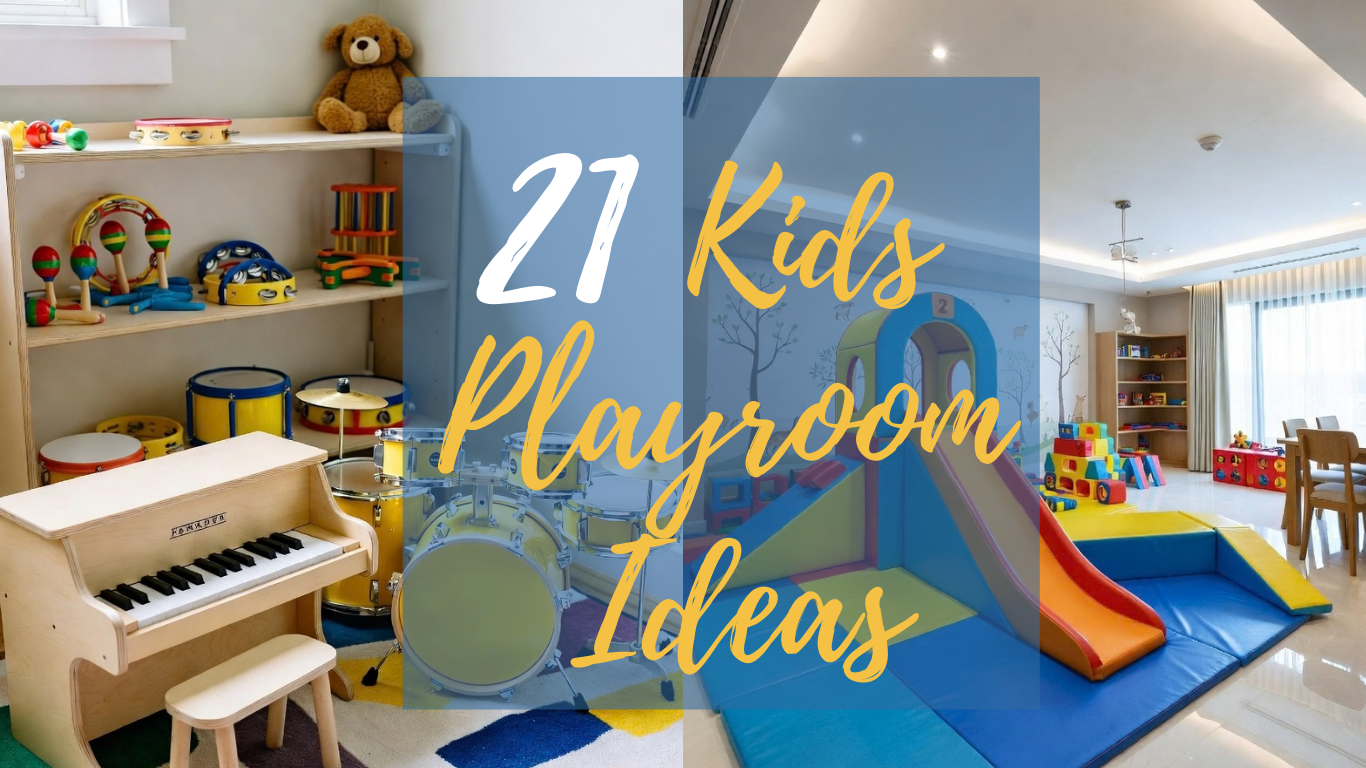
21 Creative Ways to Design a Fun and Organized Playroom

Discover 21 creative kids playroom ideas to design a fun, organized, and inspiring space with smart storage, reading corners, play tents, and educational play areas.

kids playroom ideas

Designing the perfect playroom can transform your home into a magical space where children can learn, imagine, and grow. If you’re searching for kids playroom ideas, you’re probably looking for ways to create a space that is fun, safe, organized, and inspiring.

A well-designed playroom helps children develop creativity while also keeping toys and activities organized. Whether you have a small corner, a spare room, or a basement, there are many creative ways to build the perfect play space.

In this guide, you’ll discover 21 amazing kids playroom ideas that are stylish, practical, and Pinterest-worthy.

This post may contain affiliate links. If you purchase through these links, I may earn a small commission at no extra cost to you.

Why Every Home Needs a Kids Playroom

Before exploring the ideas, it’s important to understand why a dedicated playroom is helpful.

kids playroom ideas

A kids playroom:

• Encourages creativity
• Keeps toys organized
• Reduces clutter in the living room
• Creates a safe play area
• Supports learning through play

The best kids playroom design combines fun décor with smart storage solutions.

1. Create a Colorful Playroom Theme

Kids love colors. Bright and cheerful color schemes make playrooms exciting and stimulating.

kids-playroom-decor.

Rainbow Multi Coloured Rug

Check Price on Amazon

You can use:

• Rainbow walls
• Colorful shelves
• Bright rugs
• Multicolored storage bins

Choose colors that make the space lively but not overwhelming.

2. Add Smart Toy Storage

One of the most important kids playroom ideas is proper toy storage.

tiny playroom ideas

✨ Tap here to check the latest price & availability
https://amzn.to/4ldcS48

Use:

• Open shelves
• Toy baskets
• Storage cubes
• Labelled bins

This helps children learn to organize their toys after playing.

3. Create a Reading Corner

Encourage children to love books by adding a cozy reading corner.

tiny playroom ideas

✨ Tap here to check the latest price & availability
https://amzn.to/4k3fZLg

Include:

• Small bookshelf
• Floor cushions
• Soft lighting
• Kids tent or canopy

This space can become their favorite quiet zone.

4. Install a Chalkboard or Whiteboard Wall

Kids love drawing on walls. Instead of stopping them, give them a dedicated drawing wall.

✨ Tap here to check the latest price & availability
https://amzn.to/4crHOv6

Options include:

• Chalkboard paint wall
• Magnetic board
• Whiteboard wall

This boosts creativity and artistic expression.

5. Add a Play Tent or Teepee

A play tent creates a magical space for imagination and storytelling.

small playroom design

✨ Tap here to check the latest price & availability
https://amzn.to/3OOtR0A

Kids can use it for:

• Pretend play
• Reading
• Quiet time

Choose a soft fabric teepee with pillows and blankets.

6. Create an Art and Craft Station

Children love crafting, painting, and building things.

kids playroom decor

✨ Tap here to check the latest price & availability
https://amzn.to/46D76Tq

Set up a small art station with:

• Kids table
• Chairs
• Art supplies
• Storage drawers

This keeps messy activities in one place.

7. Add a Climbing Wall or Indoor Gym

For energetic kids, an indoor play gym is perfect.

Ideas include:

• Mini climbing wall
• Monkey bars
• Gym rings
• Balance boards

Climbing Wall or Indoor Gym

There are many great playroom products available online. You can check availability, reviews, and prices on Amazon before choosing the best option for your kids.

Here are some highly rated Amazon picks:
https://amzn.to/4uhUeMu
https://amzn.to/4120kmM

This supports physical activity indoors.

8. Use Soft Play Mats

Safety is essential in a kids playroom décor. Soft foam mats protect children while playing and also make the room comfortable.

kids playroom with foam puzzle mats, bright colors, safe and soft play area, toys scattered, family friendly interior

Choose:

• Puzzle mats
• Foam flooring
• Soft rugs

9. Add a Mini Stage for Performances

Children love performing and pretending.

Create a mini stage with:

• Curtains
• Dress-up costumes
• Toy microphone

kids playroom mini theater stage with red curtains, dress up costumes, toy microphone, playful family home interior"

Kids can enjoy singing, dancing, and acting.

10. Build a LEGO Wall

LEGO walls are trending in modern playrooms. Attach base plates to the wall so kids can build vertically.

Benefits:

• Saves floor space
• Encourages creativity
• Keeps LEGO organized

11. Add Educational Toys and Learning Areas

Playrooms can also support learning.

Include:

• Alphabet charts
• Number boards
• Puzzle tables
• STEM toys

This helps children learn through play.

12. Create a Dress-Up Corner

Dress-up areas encourage imagination and role play.

Add:

• Costume rack
• Mirrors
• Dress-up clothes
• Storage baskets

Kids can pretend to be superheroes, doctors, or princesses.

13. Design a Montessori Playroom

Montessori playrooms focus on independence and minimalism.

Features include:

• Low shelves
• Natural materials
• Simple toys
• Neutral colors

This type of playroom is calm and organized.

14. Add Wall Murals

Wall murals make playrooms visually exciting.

Popular themes include:

• Jungle animals
• Space adventure
• Fairy tales
• Dinosaurs

Murals can turn a playroom into a magical world.

15. Create a Puzzle and Game Table

A puzzle and game table is a wonderful addition to any kids playroom because it encourages children to develop problem-solving skills, patience, and critical thinking while having fun. Instead of spreading puzzles and board games all over the floor, a dedicated table gives kids a comfortable place where they can sit, focus, and enjoy games without interruptions.

Choose a child-sized table and chairs so kids can easily sit and play for longer periods. A round or square table works well because it allows multiple children to sit together and play. This setup also encourages social interaction, teamwork, and family bonding, especially when siblings or parents join in for game time.

To keep the area organized, place small baskets, drawers, or shelves nearby to store puzzles, board games, and card games. Labeling these storage bins can make it easier for kids to find their favorite games and learn to clean up after playing.

You can also make the table more fun and functional by adding:

  • Puzzle boards or trays

  • Rotating puzzle storage racks

  • A tabletop organizer for game pieces

  • Bright table mats or play mats

16. Use Floating Shelves for Display

Display favorite toys and books using floating shelves.

This makes the room look organized and stylish.

An indoor slide can instantly turn a normal playroom into an exciting mini playground. Kids naturally love climbing and sliding, so adding a small indoor slide helps them burn energy while staying active indoors—especially during bad weather or cold seasons.

You don’t need a huge space to include a slide. Many modern playroom slides are designed to fit in small rooms and can easily be placed next to a climbing structure, bunk bed, or play platform. Some parents also add a wooden Montessori climbing frame with a slide, which supports both physical activity and motor skill development.

18. Create a Music Corner

A music corner is a wonderful way to introduce children to sounds, rhythm, and creativity. Music helps support emotional development and improves listening skills, coordination, and creativity.

To create a small music space in the playroom, dedicate a corner where kids can freely explore musical instruments. You can include simple instruments such as:

• Toy piano
• Mini drum set
• Xylophone
• Tambourines
• Maracas

For younger children, choose instruments that are colorful, lightweight, and easy to play. These instruments allow kids to experiment with sound and rhythm while having fun.

You can also add a small shelf or basket to store the instruments neatly. Hanging a few instruments on wall hooks can make the area look organized while keeping everything easily accessible.

A music corner encourages children to express themselves, explore sounds, and develop a love for music from an early age.

19. Add Personalized Name Decor

Personalized decor is a simple way to make a kids playroom feel unique and special. Adding your child’s name to the wall creates a sense of ownership and makes the space feel truly theirs.

There are many creative ways to include personalized decorations in a playroom. Some popular ideas include:

• Wooden name signs
• LED letter lights
• Wall decals with the child’s name
• Custom canvas prints
• Colorful alphabet wall art

20. Use Hidden Storage Furniture

Keeping a playroom organized can be challenging because toys tend to spread everywhere. That’s why hidden storage furniture is one of the smartest solutions for maintaining a clean and tidy playroom.

Furniture pieces with built-in storage help you hide toys, books, and art supplies while still keeping them easily accessible. Some great options include:

• Storage benches
• Ottoman boxes
• Toy chests
• Coffee tables with storage
• Storage cubes with baskets

21. Create a Cozy Relaxation Zone

After running, playing, and exploring, kids also need a calm place where they can relax. A cozy relaxation zone gives children a quiet corner where they can rest, read, or enjoy quiet playtime.

This area should feel soft, comfortable, and calming. You can create this space by adding:

• Bean bags
• Soft rugs
• Floor pillows
• Cozy blankets
• Warm lighting or fairy lights

A small bookshelf nearby can make this area perfect for reading, while a canopy or small tent can make the space feel even more magical and cozy.

Neutral colors, soft textures, and warm lighting help create a peaceful atmosphere where children can unwind after active play. This type of space also encourages quiet activities like reading, drawing, or imaginative storytelling.

Tips for Designing the Perfect Kids Playroom

Here are a few important tips when planning your playroom.

Keep Safety First

Avoid sharp furniture edges and choose non-toxic materials.

Use Washable Materials

Kids playrooms get messy, so washable rugs and furniture are helpful.

Make It Flexible

Children grow quickly, so choose furniture that adapts over time.

Encourage Creativity

Leave space for imagination and creative activities.


Final Thoughts

Creating a beautiful playroom doesn’t require a huge budget or large space. With the right kids playroom ideas, you can design a space that is fun, organized, and inspiring.

From cozy reading corners to colorful art stations, every playroom should encourage creativity and learning. Whether you prefer a minimalist Montessori design or a vibrant themed room, the most important goal is to create a space where kids feel happy and free to explore their imagination.

A thoughtfully designed playroom will become your child’s favorite place in the house. Use our free Kids Room Budget Planner to plan your makeover!

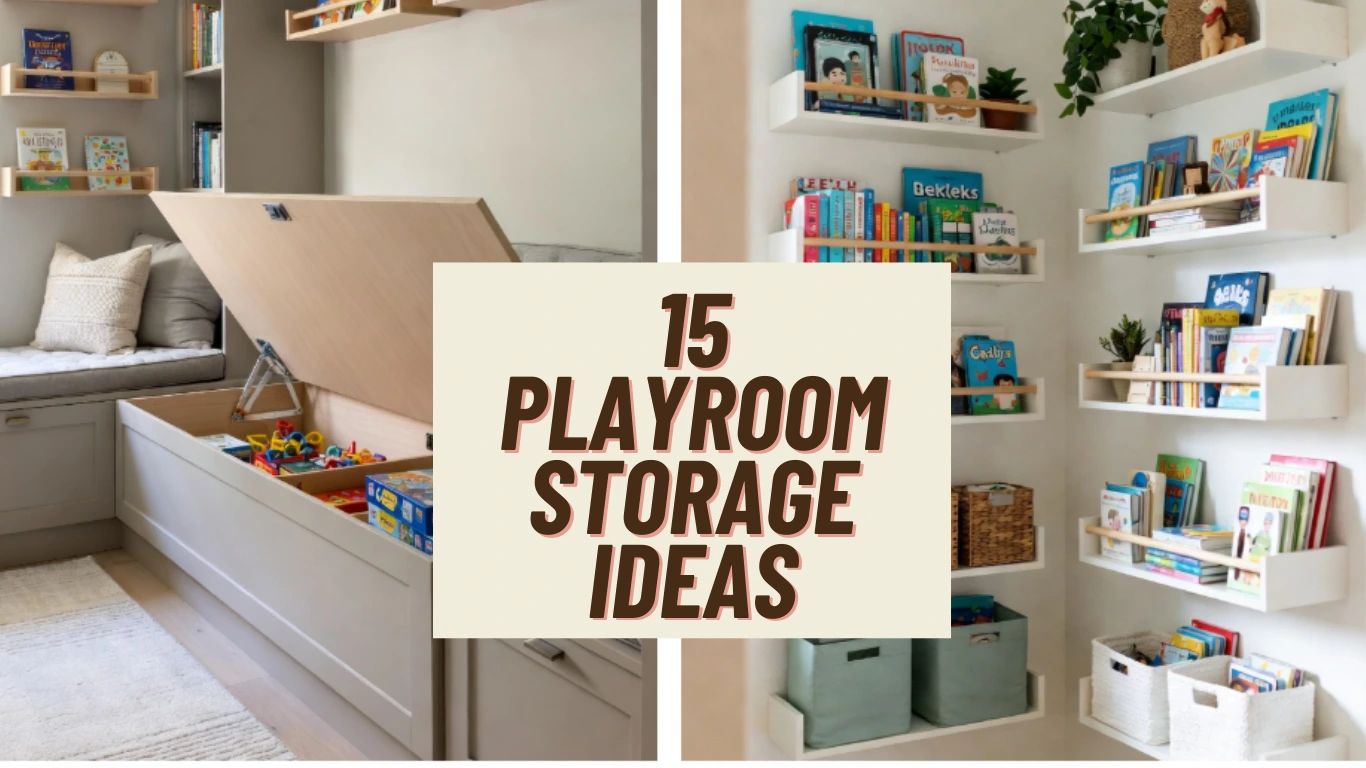
15 Playroom Storage Ideas to Keep Kids’ Spaces Organized and Clutter-Free

playroom storage ideas

Creating a fun and functional playroom is every parent’s dream—but keeping it organized is often the biggest challenge. Toys, books, games, and craft supplies can quickly take over the room if there’s no proper storage system in place. The good news? With smart planning and creative storage solutions, you can design a playroom that’s both exciting for kids and easy to maintain.

In this guide, we’re sharing 15 playroom storage ideas that will help you maximize space, reduce clutter, and create a tidy yet playful environment. These ideas are perfect for small playrooms, shared spaces, and even apartment living.

1. Use for Versatile Organization

Cube storage shelves are one of the most practical playroom storage ideas. They offer flexible compartments that can hold bins, baskets, books, and toys.

You can arrange cube units vertically to save floor space or horizontally to double as seating. Fabric bins inside cubes keep toys hidden while maintaining a clean look.

2. Add Labeled Storage Bins

Labeled bins make organizing easier for both parents and kids. Clear labels with words or pictures help children learn where items belong, encouraging independent clean-up.

Use bins for categories like:

  • Building blocks
  • Dolls and action figures
  • Art supplies
  • Puzzle sets

This system supports long-term playroom organization and keeps everything in its place.

3. Install Floating Wall Shelves

Floating shelves are ideal for displaying books, trophies, and decorative items while keeping floor space open. They also make a small playroom feel bigger and less crowded.

Use lower shelves for children’s books and higher ones for decorative storage baskets.

4. Incorporate Built-In Storage Benches

A storage bench provides dual functionality—it offers seating and hidden storage at the same time.

Some popular variations include:

  1. Lift-top benches with a hinged lid for easy access.
  2. Drawer-style benches that slide out for organized storage.
  3. Cubby benches with baskets or bins for a more modular look.
  4. Upholstered benches that double as seating in bedrooms or at the foot of a bed.

Store board games, stuffed animals, or seasonal toys inside. Built-in benches along the wall create a cozy reading nook while keeping clutter out of sight.

5. Use Open Toy Baskets for Quick Clean-Up

Open baskets make clean-up simple. Instead of sorting every toy perfectly, kids can quickly toss items into designated baskets.

Choose woven, fabric, or plastic baskets depending on your style. Keep them within reach so children can easily access and store toys.

few ways to make baskets even more effective:

  • Label or color-code them so kids know which basket is for blocks, stuffed animals, or art supplies.
  • Keep them low and accessible so little ones can reach without help.
  • Choose durable materials like woven wicker, canvas, or plastic that can withstand daily use.

6. Try a Pegboard Wall for Creative Storage

Pegboards are not just for garages—they’re excellent for playrooms too. Install a pegboard to hang craft supplies, headphones, small bins, or even dress-up accessories.

Pegboards are customizable and adjustable as your child grows.

7. Use Under-Table Storage Solutions

The space under craft tables or play tables is often wasted. Add rolling drawers or bins underneath to store coloring books, paper, or building sets.

This keeps creative supplies close at hand while keeping surfaces clear.

8. Create a Book Display Wall

Forward-facing book displays are such a game-changer for playrooms. When kids can actually see the covers, books become more inviting—almost like artwork on the wall. Slim wall-mounted shelves keep everything neat, and the intentional arrangement instantly elevates the space from cluttered to curated.

A few design tips to make it even more effective:

  • Rotate selections so kids always have fresh titles to choose from.
  • Mix in seasonal or themed books (like winter stories or animal adventures) to spark interest.
  • Keep shelves at kid-height so they can independently grab and return books.

See this Hanging organizer for bags on Amazon https://amzn.to/4rKUYHT

See this Hanging organizer for bags on Amazon https://amzn.to/4qzJPbZ

Organized books instantly make a playroom look tidy and intentional.

9. Add Stackable Storage Crates

Stackable crates are a flexible and affordable storage solution. They can be rearranged as needed and are perfect for small playrooms.

Use them for toys, games, or art supplies. Stack vertically to maximize height instead of floor space.

Add Stackable Storage Crates

Why This Works Well

Vertical arrangement saves floor space and creates a tidy, wall-like storage unit.
Stackable design allows easy reconfiguration as your child’s needs change (e.g., adding height for more toys or spreading out for accessibility).
Affordable options start low-cost from stores like IKEA, Target, Amazon, or Walmart.
Minimalist appeal: opt for clear plastic (for visibility and a light feel) or natural wood tones (for warmth and simplicity). Label bins for easy cleanup and a neat appearance.

10. Design a Craft Supply Station

If your child loves arts and crafts, designate a specific craft storage station.

A dedicated kids’ craft station is a fantastic way to spark creativity while keeping the playroom bright, cheerful, and clutter-free. The key is combining a functional workspace with smart, visible storage: clear containers for easy access to markers, paints, and paper; organized drawers for smaller items; and labeled jars or bins to make cleanup fun and independent.

Design a Craft Supply Station

This setup encourages kids to create freely but puts everything back in its place effortlessly—perfect for a minimalist yet joyful space.
Core Elements of the Setup

Workspace:

A low, sturdy table (kid-height) with plenty of surface area for drawing, painting, and projects. Add washable mats or trays underneath for mess protection.

Storage Focus:

Use clear plastic bins and drawers so contents are visible—no digging required. Label everything (with words + pictures for younger kids) using a label maker or printed stickers.

Bright & Cheerful Vibe:

Incorporate colorful accents like rainbow organizers, fun labels, or wall art from the kids’ creations. Position near a window for natural light.

Use clear containers for:

  • Markers
  • Paints
  • Glue sticks
  • Stickers

Drawer dividers and labeled jars keep supplies organized and prevent messy overflow.

11. Use Rolling Storage Carts

Rolling carts are perfect for flexible storage. They can move around the playroom and even into other areas of the home when needed.

Top tier: frequently used items
Middle tier: art supplies
Bottom tier: extra toys

This solution works especially well in small or shared play spaces.

 Use Rolling Storage Carts

See this Hanging organizer for bags on Amazon https://amzn.to/4afw4dD

12. Rotate Toys to Reduce Clutter

Too many toys can overwhelm both kids and parents. Toy rotation is one of the most effective playroom storage ideas for maintaining order.

Store some toys in labeled bins and rotate them every few weeks. This keeps the playroom fresh and prevents overcrowding.

13. Install Wall Hooks for Dress-Up Clothes

Dress-up costumes and accessories can quickly create chaos. Install wall hooks or a low clothing rack to hang costumes neatly.

This keeps outfits accessible while preventing them from piling up on the floor.

14. Use Clear Storage Containers for Small Items

Small toys like LEGO pieces, puzzle parts, and mini figures need secure storage. Clear containers allow you to see what’s inside without opening each box.

Choose stackable containers with secure lids for maximum organization.

15. Embrace a Minimalist Playroom Design

Sometimes the best storage solution is simply reducing clutter. A minimalist approach focuses on quality over quantity.

Keep only toys that are actively used and store the rest. Choose furniture with built-in storage and maintain open floor space for play.

A clutter-free playroom feels larger, calmer, and more inviting.

 Embrace a Minimalist Playroom Design

Final Thoughts:

Creating a Functional and Organized Playroom

A well-designed playroom doesn’t just look good—it makes daily life easier. By implementing these 15 playroom storage ideas, you can create a functional, organized, and stress-free environment for your children.

From cube shelves and labeled bins to pegboards and rolling carts, the key to effective playroom organization is maximizing vertical space, using multi-functional furniture, and keeping systems simple.

Remember, the goal isn’t perfection—it’s creating a space where your child can play, learn, and grow while staying organized.

With the right storage solutions, your playroom can be both fun and clutter-free.