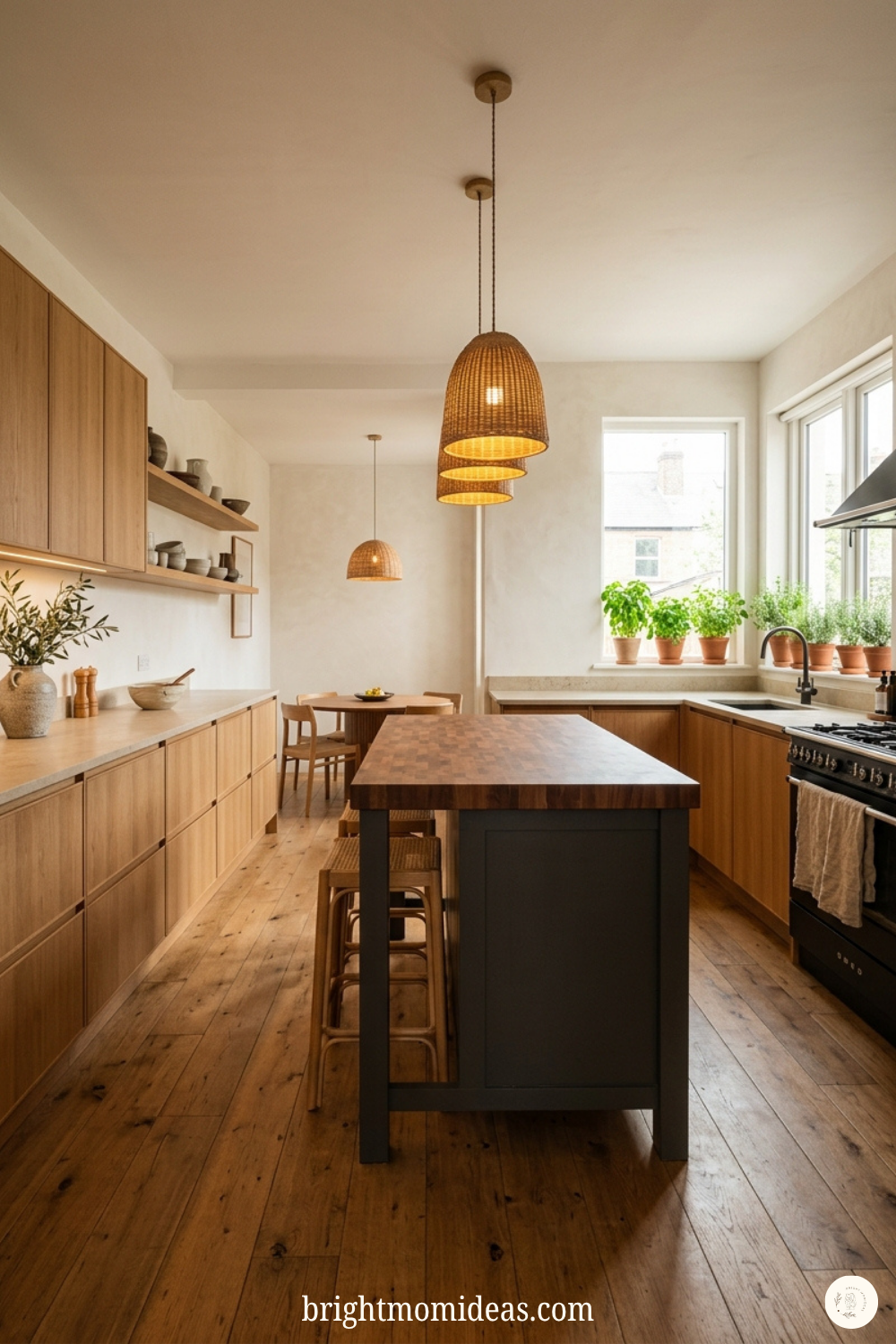

Japandi Kitchens That Quietly Fix What Most Modern Kitchens Get Wrong
Discover how Japandi kitchen design brings calm, warmth, and genuine functionality to the most used room in your home.
Most modern kitchens are designed to impress.
Glossy white cabinets that show every fingerprint. Sleek surfaces that echo every sound. Open shelving that looks flawless in a staged photo and becomes a source of daily stress the moment you actually live with it.
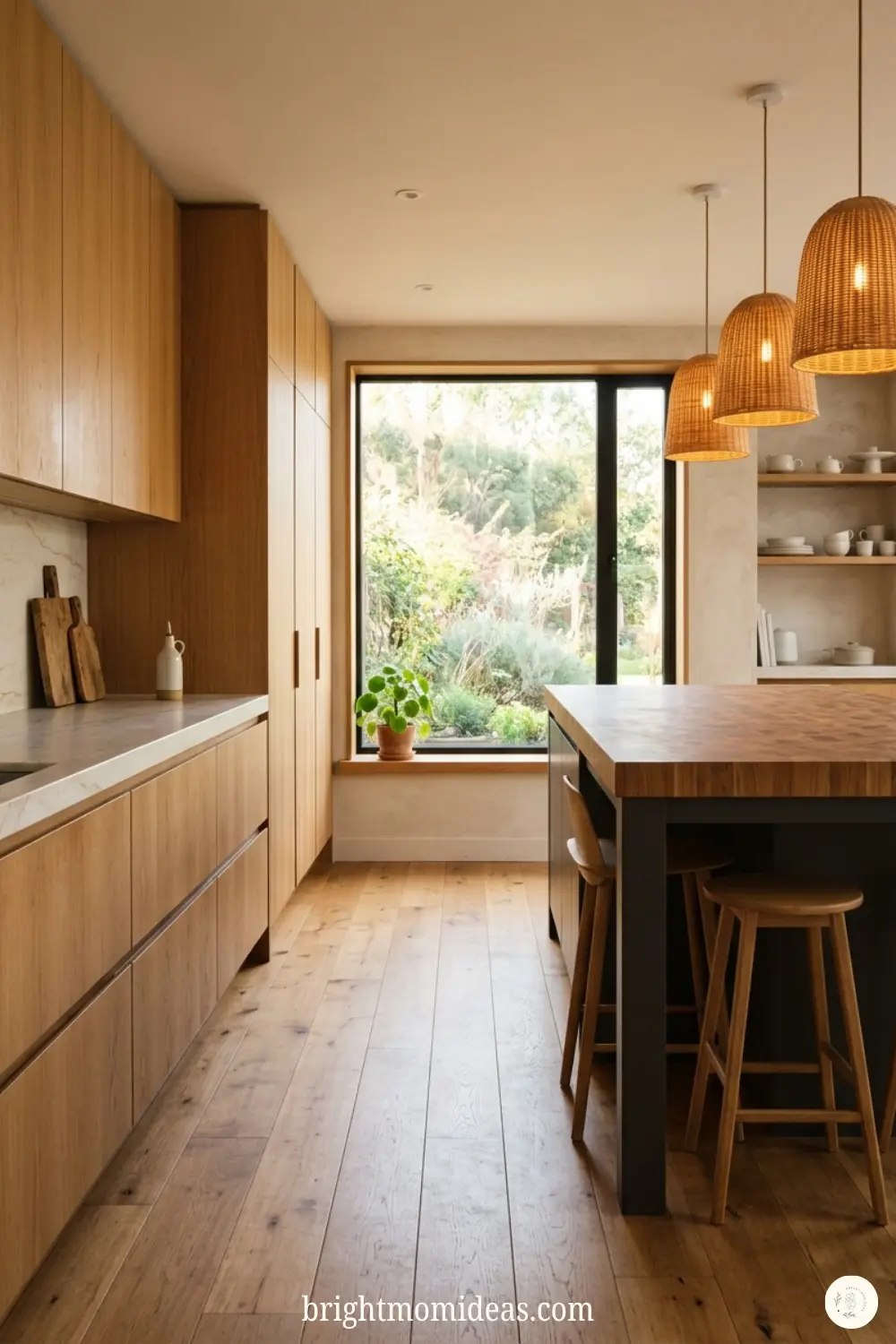
If your kitchen has ever felt more like a showroom than a place where you actually want to spend time — you are not alone. And a Japandi kitchen might be exactly the quiet correction you have been looking for without knowing it had a name.
Japandi kitchen design is a hybrid of Japanese minimalism and Scandinavian warmth. It solves almost every complaint people have about modern kitchens without making a dramatic statement about it. It simply works — and it works beautifully.
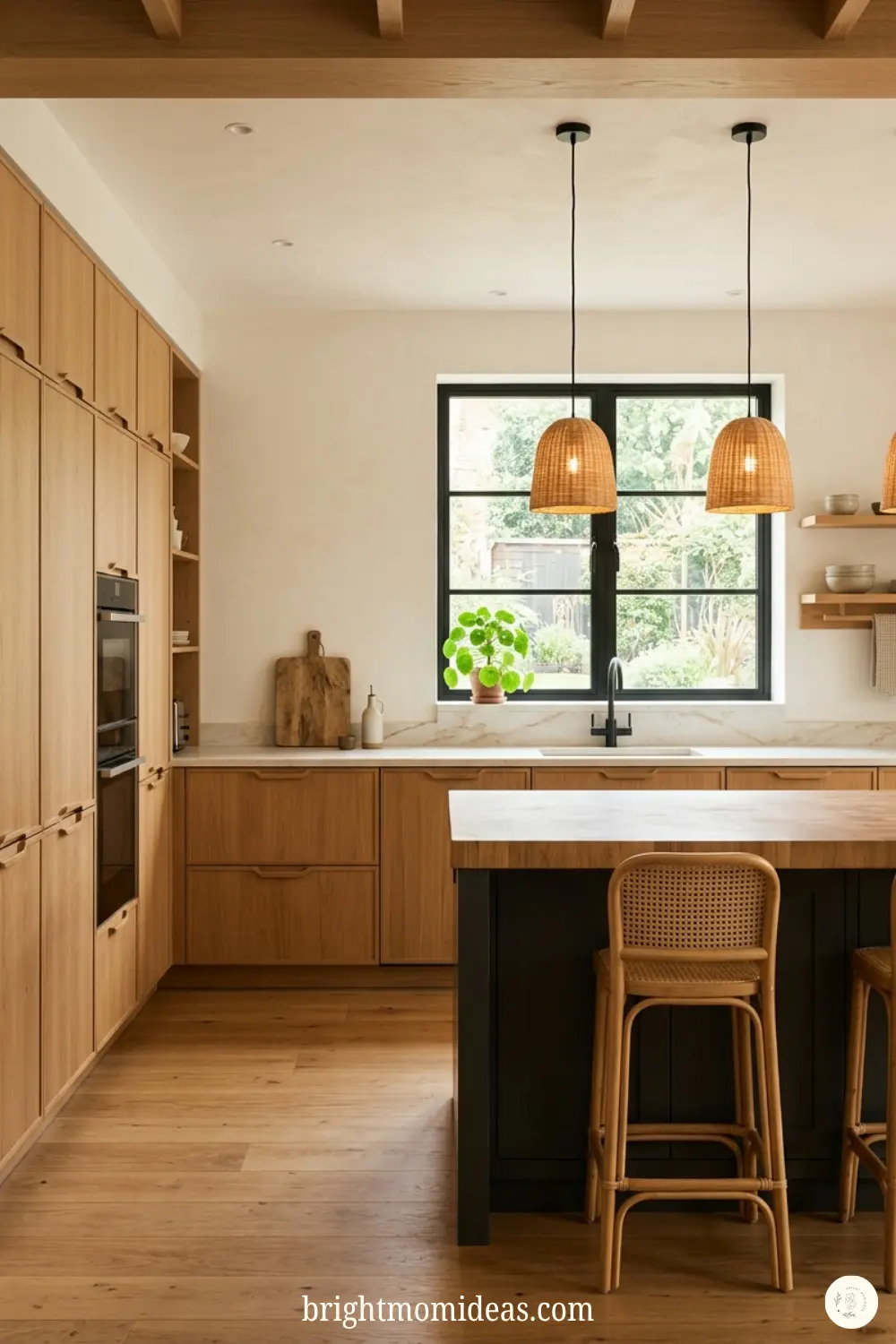
If you are in the US and redesigning your kitchen or just looking for Japandi kitchen ideas you can layer in gradually, this guide will walk you through everything you need to know about why this style gets it so quietly, consistently right.
What a Japandi Kitchen Actually Is — and Why It Feels So Different
Before diving into specific Japandi kitchen ideas, it helps to understand what makes this style fundamentally different from the modern kitchens that have dominated American homes for the past decade.
Japandi kitchen design is built on two philosophical ideas working in harmony.
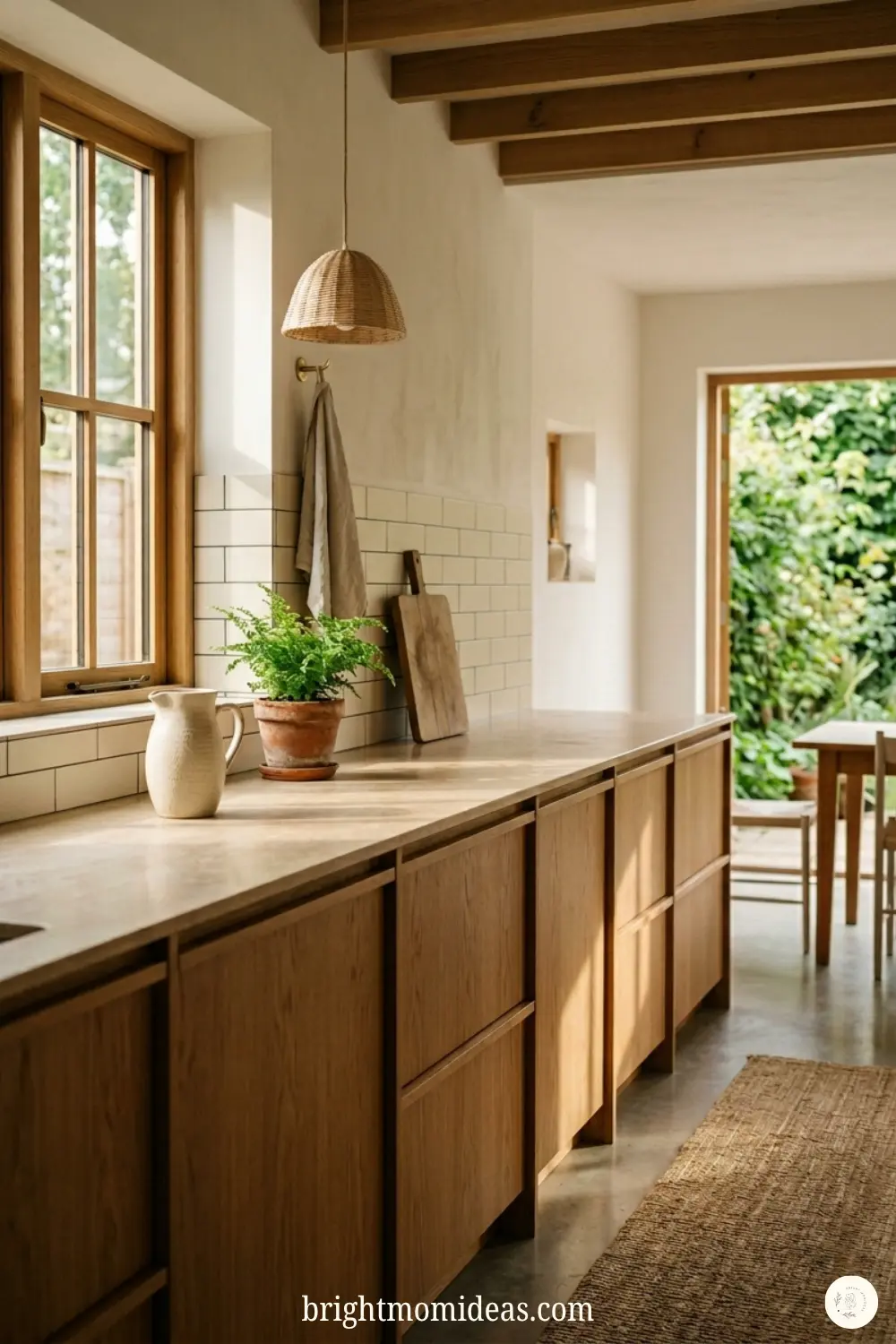
From Japanese design, it borrows the concept of wabi-sabi — the beauty of imperfection, natural materials, and quiet functionality. From Scandinavian design, it takes the principle of hygge — coziness, warmth, and the belief that everyday spaces should bring genuine comfort.
The result is a Japandi kitchen aesthetic that prioritizes function without sacrificing beauty, and warmth without sacrificing simplicity. And it brings the outside in through natural materials like wood, stone, linen, and clay.
That combination is precisely what most modern kitchens forget to include.
The Specific Problems Most Modern Kitchens Have — and How Japandi Kitchen Design Quietly Solves Them
Problem 1 — Modern Kitchens Are Visually Exhausting
Walk into most modern kitchens and your eyes do not know where to land. Open shelves full of mismatched dishes. A backsplash with bold patterns. Gleaming hardware in three different finishes. Appliances sitting out on every counter. It is a lot to process.
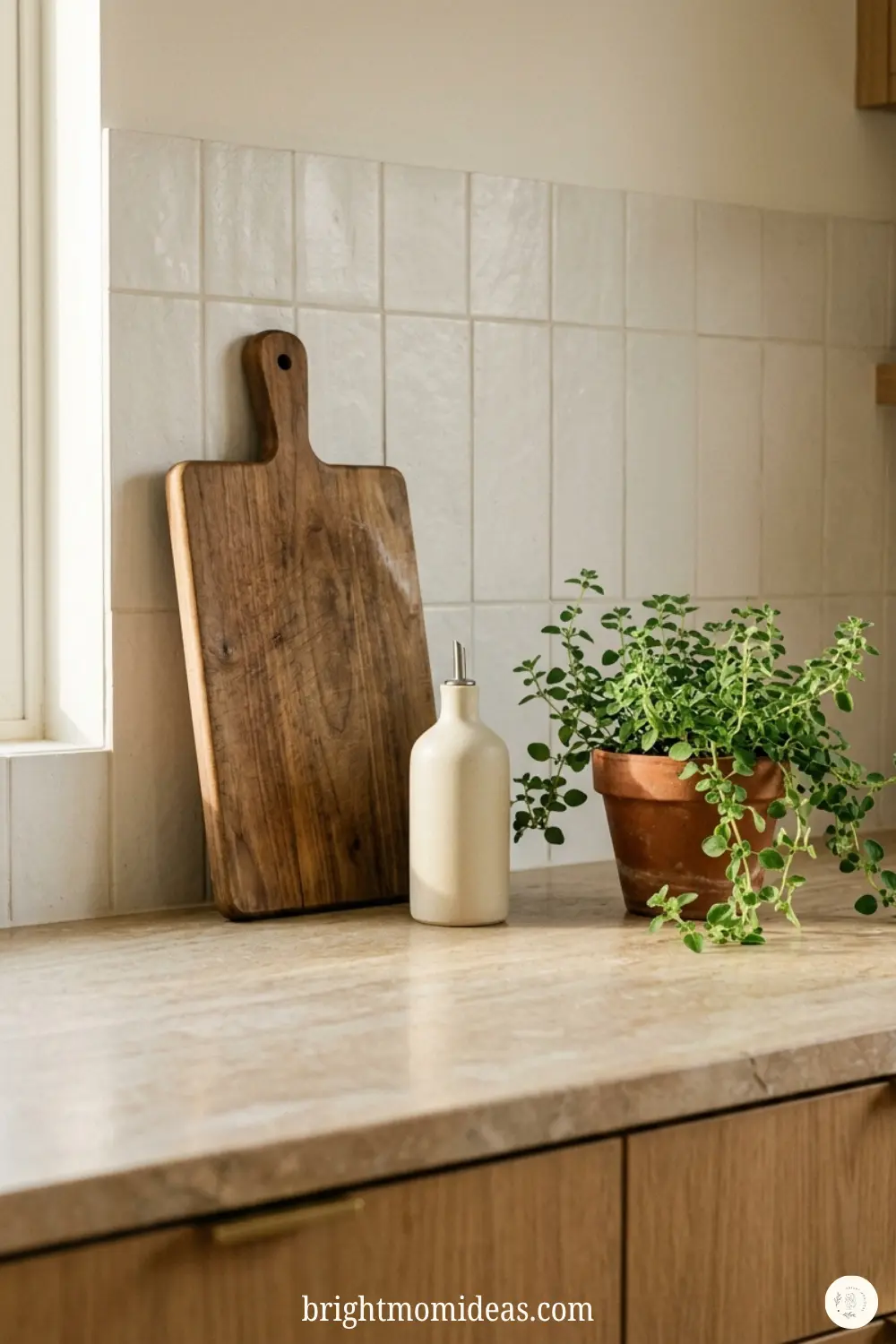
A Japandi kitchen solves this by creating visual rest. Every element is intentional. The color palette stays cohesive. Hardware is minimal and consistent. Countertops stay clear. The result is a kitchen that feels genuinely calm to stand in — which is something you do not realize you need until you experience it.
Problem 2 — All-White Modern Kitchens Feel Cold
The all-white kitchen had its moment. But many American homeowners have started to realize that white cabinets and white countertops and white subway tile create a kitchen that feels more like a hospital corridor than a home.
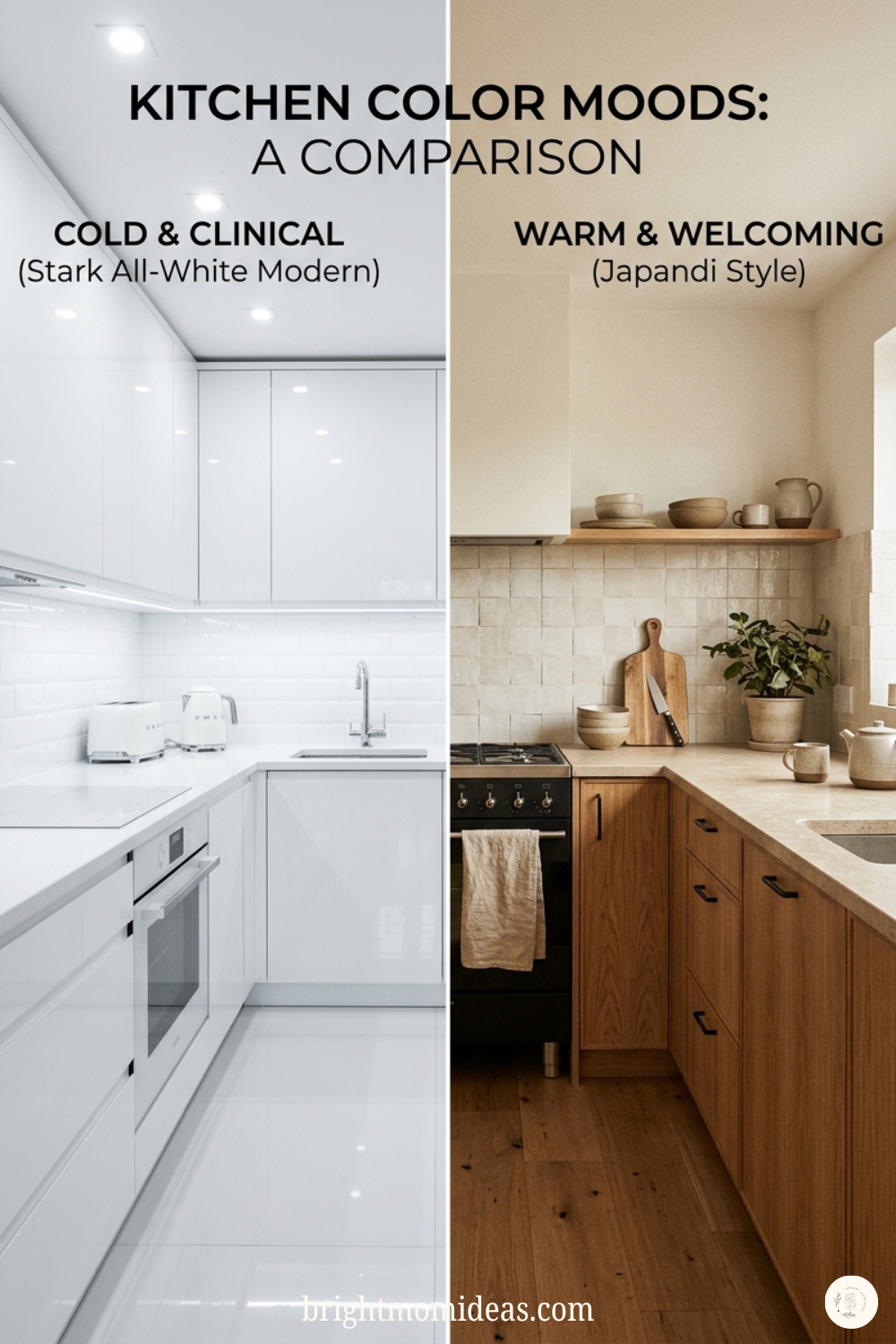
Japandi kitchen decor fixes this with warmth built into the materials themselves. Warm-toned wood for cabinet fronts. Matte stone countertops in warm beige or pale gray. Handmade ceramic vessels in creamy organic tones. Linen dish towels draped casually on an oven handle. None of these elements are loud — but together they make the kitchen feel genuinely lived-in and welcoming.
Problem 3 — Modern Kitchens Prioritize Looks Over Function
Open shelving became a design staple in modern American kitchens because it photographs beautifully. But the reality of living with open shelves is that they require constant maintenance, accumulate grease and dust, and create the low-level mental stress of always needing to look organized.
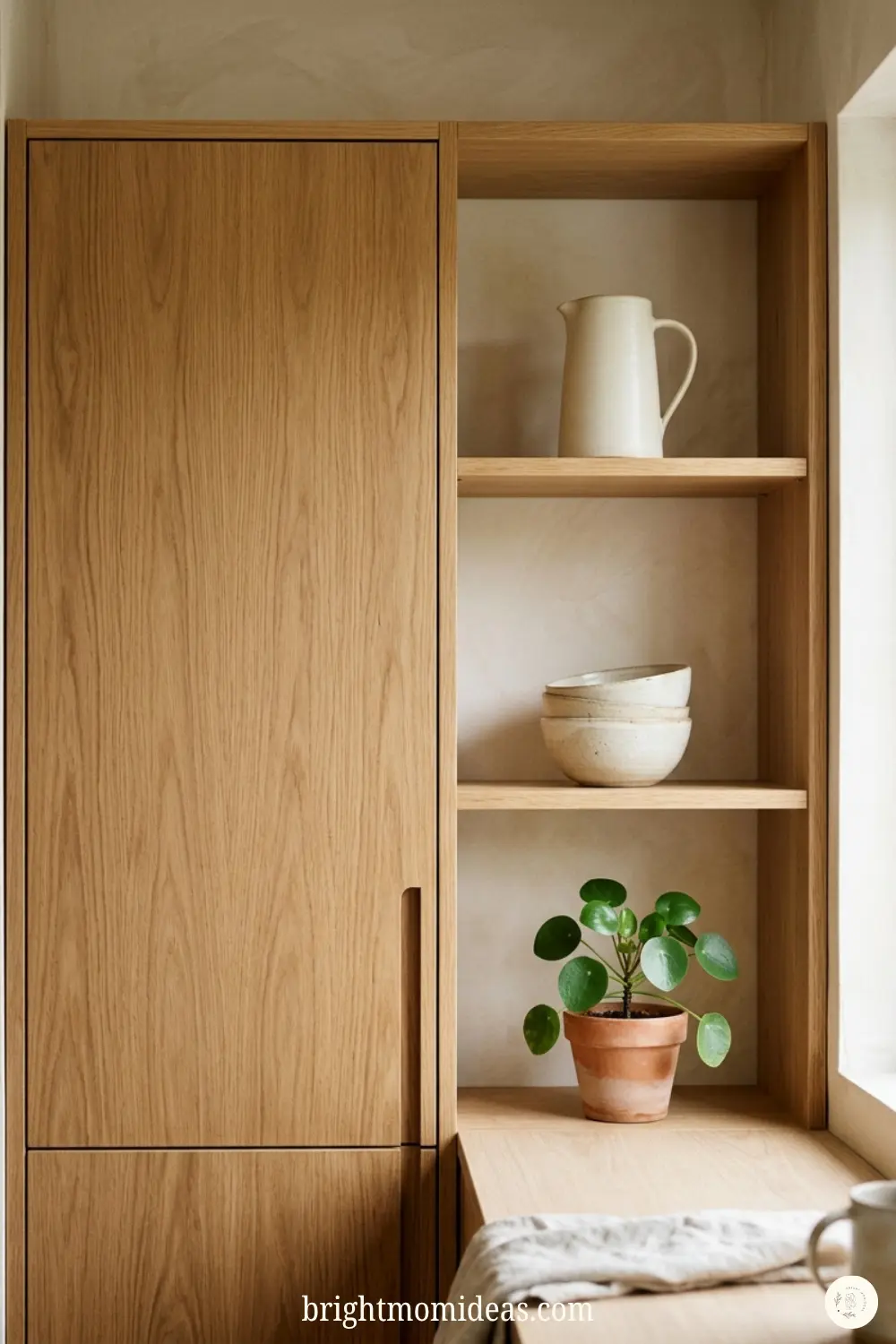
A Japandi style kitchen leans into closed or semi-closed storage — clean-faced cabinetry with integrated handles or simple push-to-open mechanisms. What you do not see does not create clutter anxiety. And the few items that are displayed — a simple ceramic pitcher, a wooden cutting board leaned against the backsplash — are chosen because they are genuinely beautiful. Not because they fill space.
Problem 4 — Modern Kitchens Chase Trends
How many kitchens have you seen that looked cutting-edge in 2015 and now feel slightly dated? Waterfall island edges. Stark matte black everything. Rose gold hardware. These moments come and go quickly.
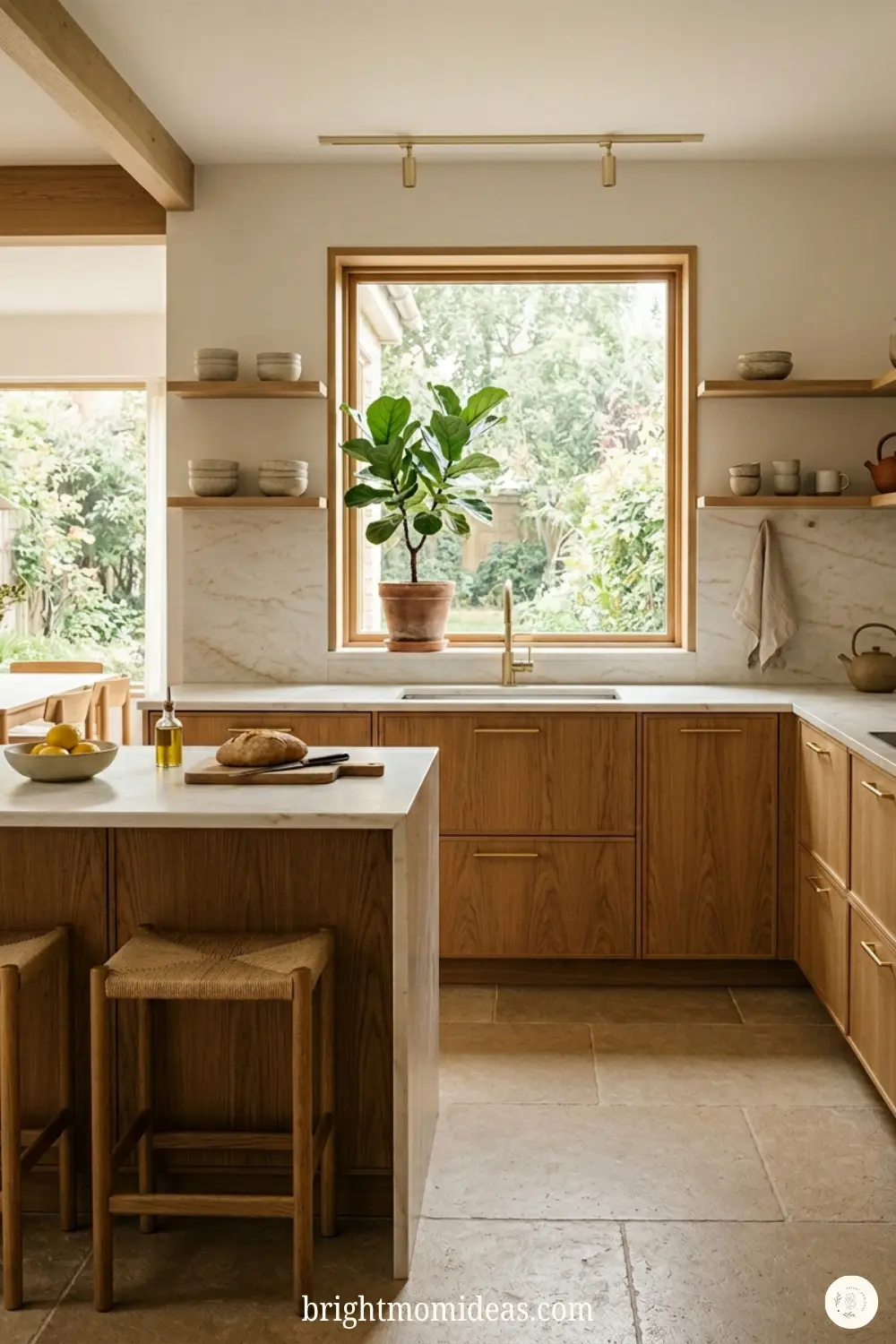
A modern Japandi kitchen sidesteps trends almost by design. Because it draws from two cultures with centuries-long traditions of understated functional beauty, the aesthetic does not depend on what is popular right now. Natural wood does not go out of style. Warm stone does not go out of style. Clean lines and intentional simplicity do not go out of style. A Japandi kitchen built today will feel right in twenty years.
Problem 5 — Modern Kitchens Ignore Natural Materials
One of the biggest emotional complaints people have about modern kitchens is that they feel disconnected from anything natural. Engineered quartz, high-gloss lacquer, stainless steel — these materials are durable and photogenic. But they do not have the organic warmth that makes a room feel human.
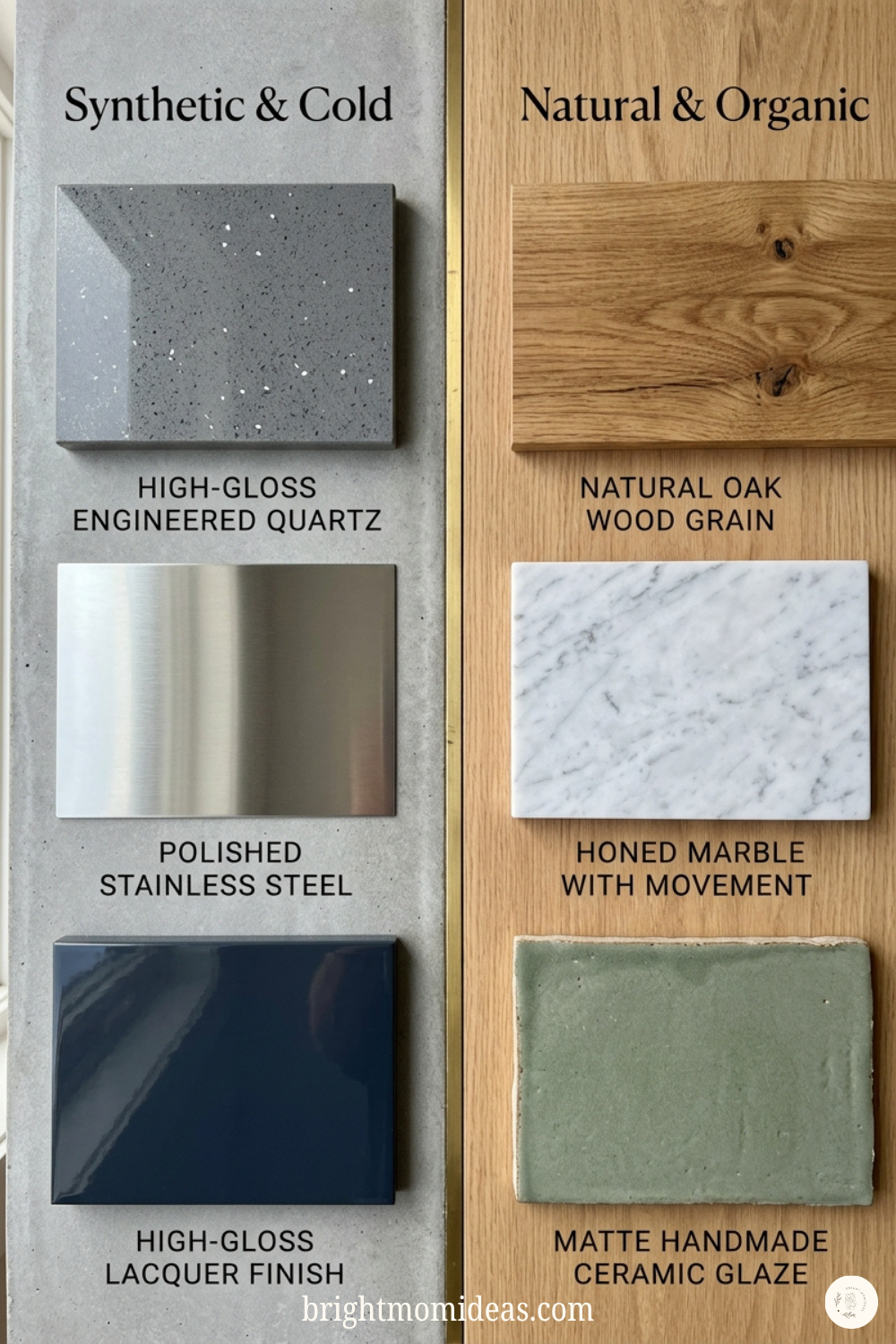
Japandi kitchen ideas almost always include natural wood grain that shows its character, matte stone surfaces with visible movement, handmade pottery with slight irregularities, and plants tucked into corners or on windowsills. These elements are not decorative additions. They are the foundation of why a Japandi kitchen aesthetic feels so good to spend time in.
How to Start Creating Your Own Japandi Kitchen — Without a Full Renovation
Here is the honest truth about Japandi kitchen ideas that most design guides will not tell you. You do not need to gut your kitchen to get there.
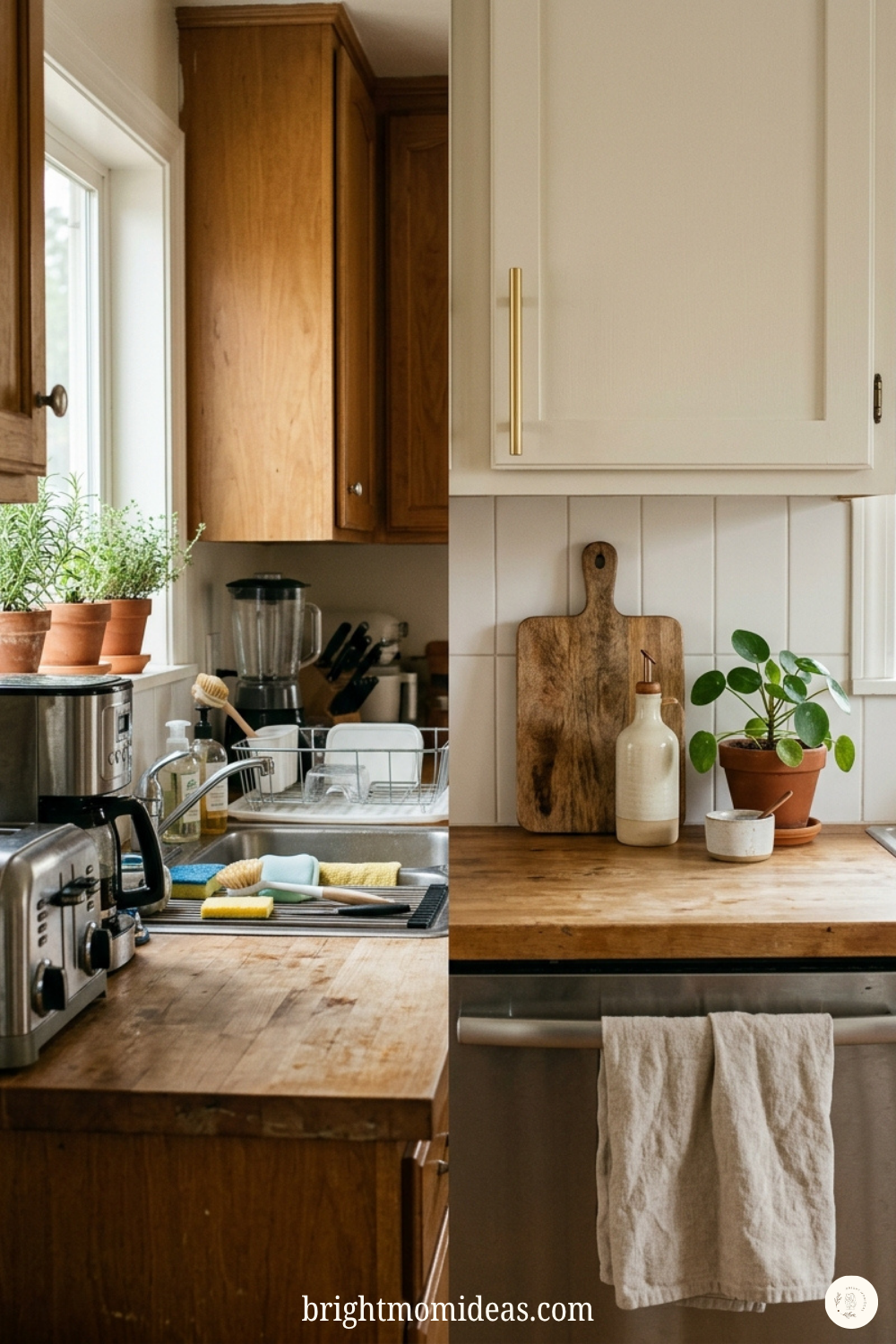
If a full renovation is not in the cards right now, you can shift your kitchen significantly toward the Japandi aesthetic with a few deliberate changes.
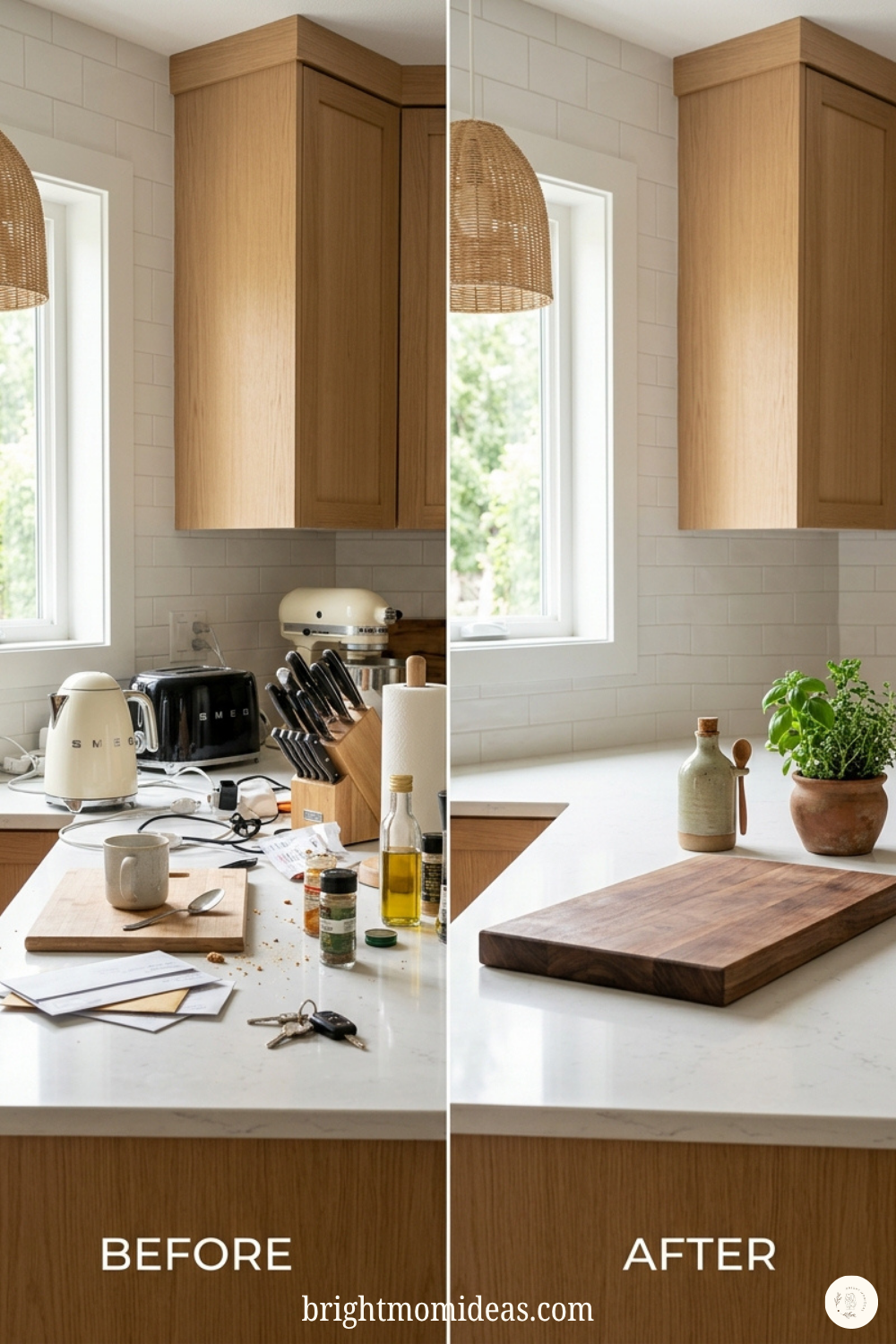
Start with the countertops. Clear them. Put away everything that does not get used daily. What remains should be things you genuinely love the look of — a wooden cutting board, a simple ceramic oil bottle, a small plant in a clay pot.
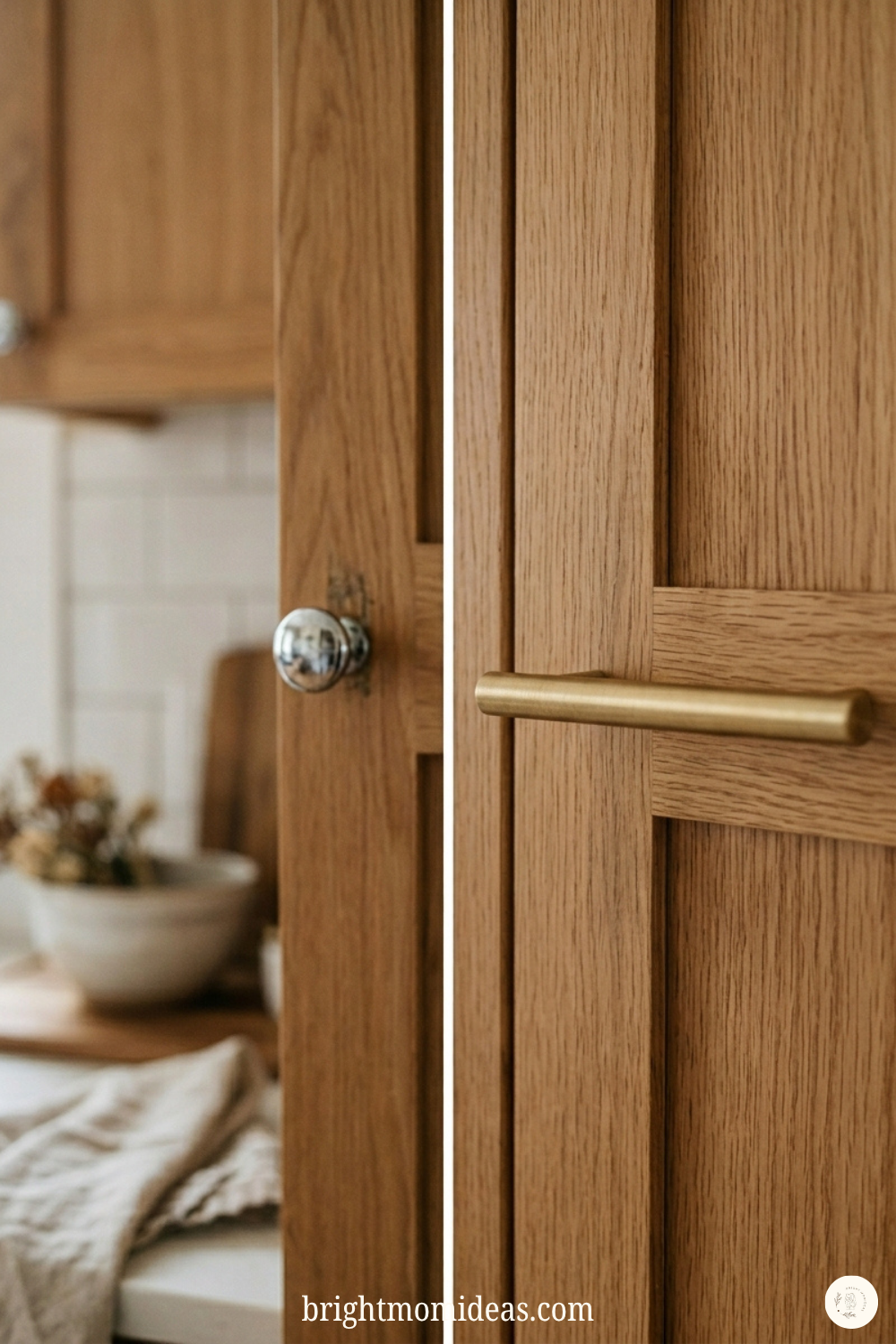
Next, look at your cabinet hardware. Swapping out mismatched knobs for simple warm-toned bar pulls in brushed brass or matte black makes an enormous difference for a small investment.
Then address color. If your walls are a stark bright white, a single coat of warm off-white, soft sage, or warm greige will completely change the temperature of the room.
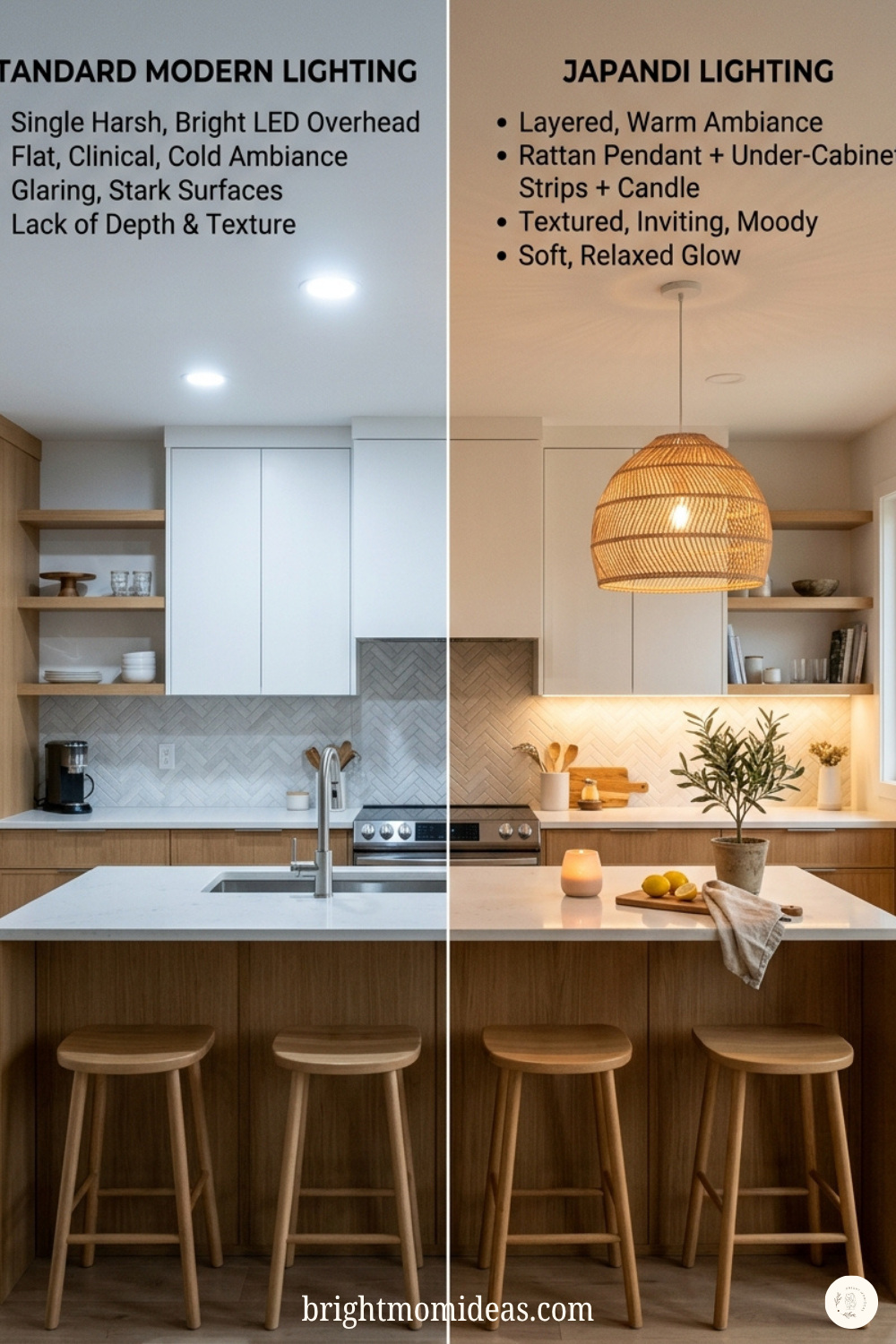
Over time, swap out plastic containers for wooden or ceramic ones. Replace a bright overhead fixture with a warmer-toned pendant in rattan or washi paper. Add a linen runner to the counter near the sink.
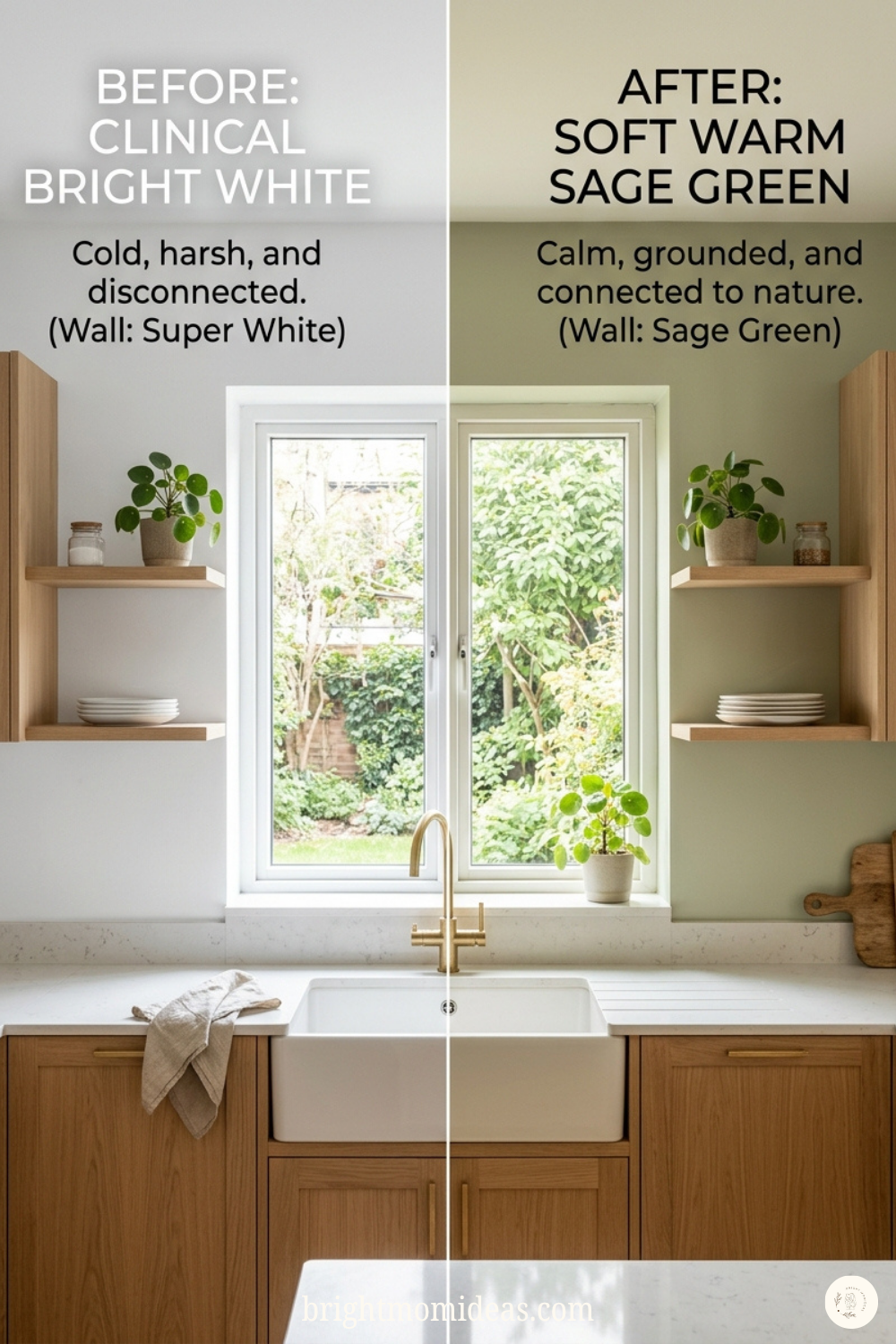
None of these changes are expensive. None of them require a contractor. But together they move your kitchen toward the quiet grounded calm that defines a genuine Japandi kitchen.
Japandi Kitchen Colors and Materials That American Homeowners Are Falling in Love With
If you are looking for Japandi kitchen ideas specifically around color and material, here is a palette that works beautifully in US homes across different light conditions and architectural styles.
Wall and Cabinet Colors
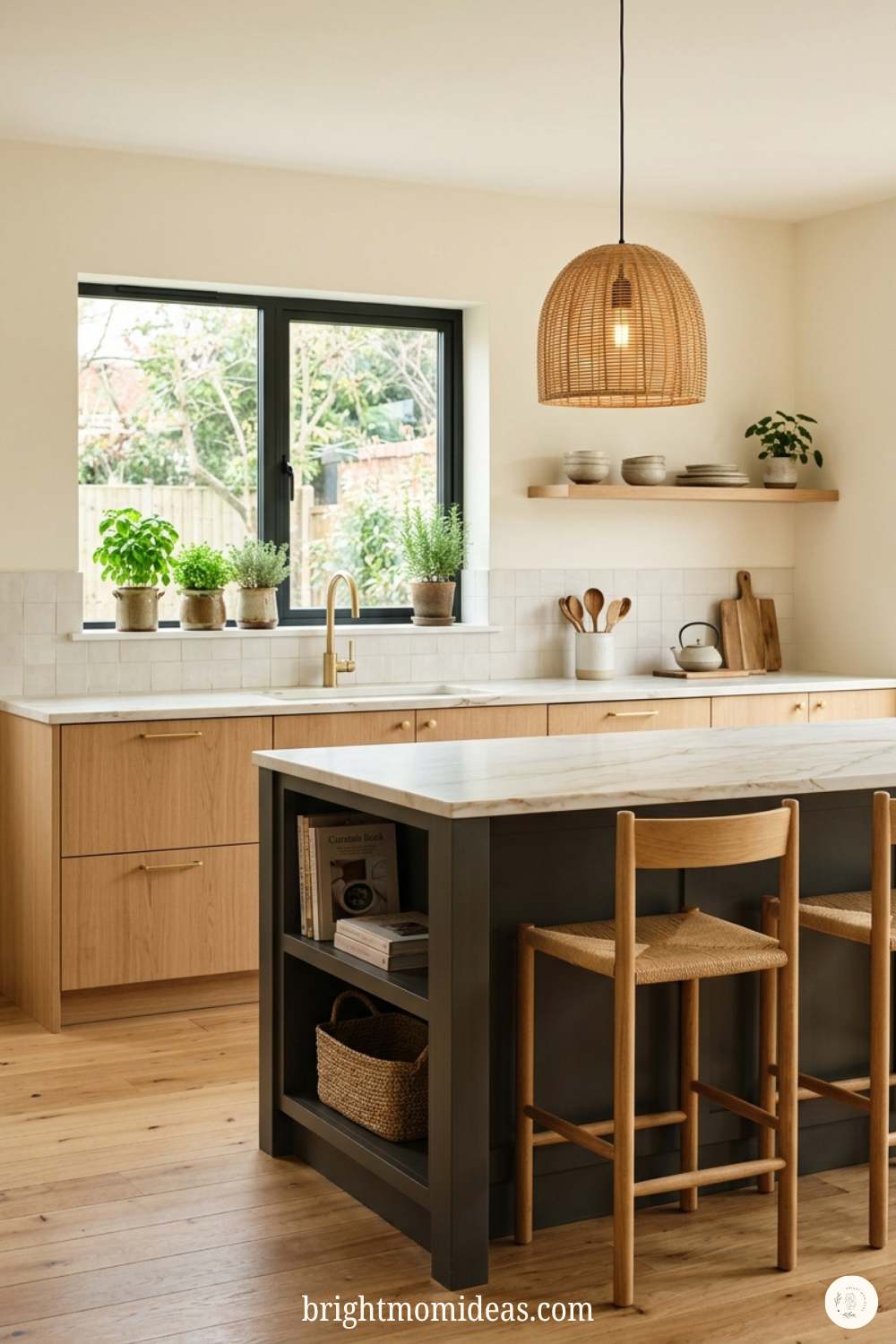
For walls and upper cabinets, these are the tones that work most consistently in a Japandi kitchen:
Warm whites like Benjamin Moore White Dove feel soft and inviting without going cold. Soft greiges like Sherwin-Williams Accessible Beige add warmth without committing to a bold color. Dusty sage greens bring nature into the room in the most understated, beautiful way.
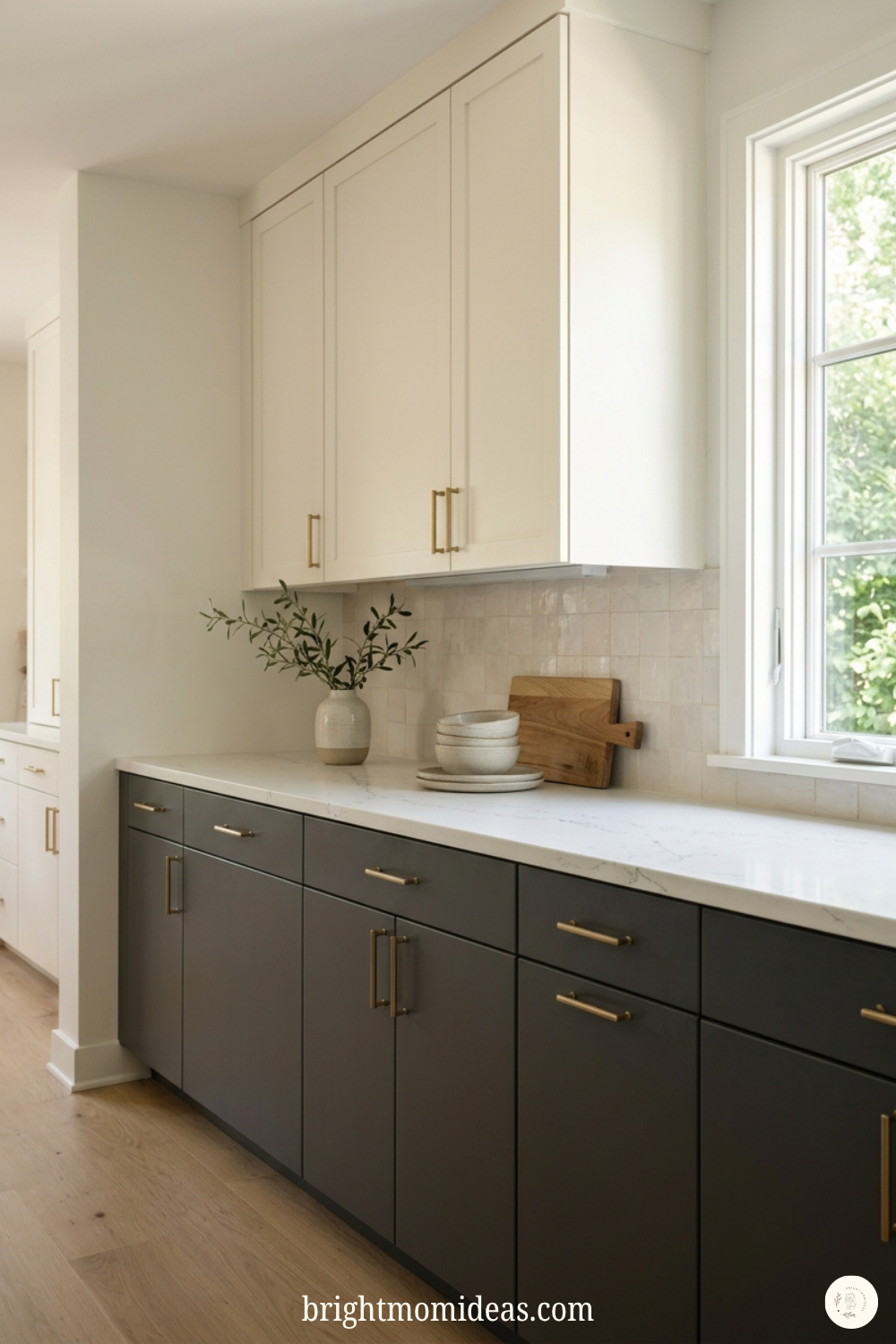
For lower cabinets or an island, richer tones anchor the room beautifully. Warm charcoal, deep terracotta brown, and forest green all work without making the kitchen feel dark or heavy.
Countertops
Honed marble or matte quartzite in warm beige tones is the dream Japandi kitchen decor choice. The matte finish is essential — high-gloss surfaces are the opposite of everything a Japandi kitchen stands for.
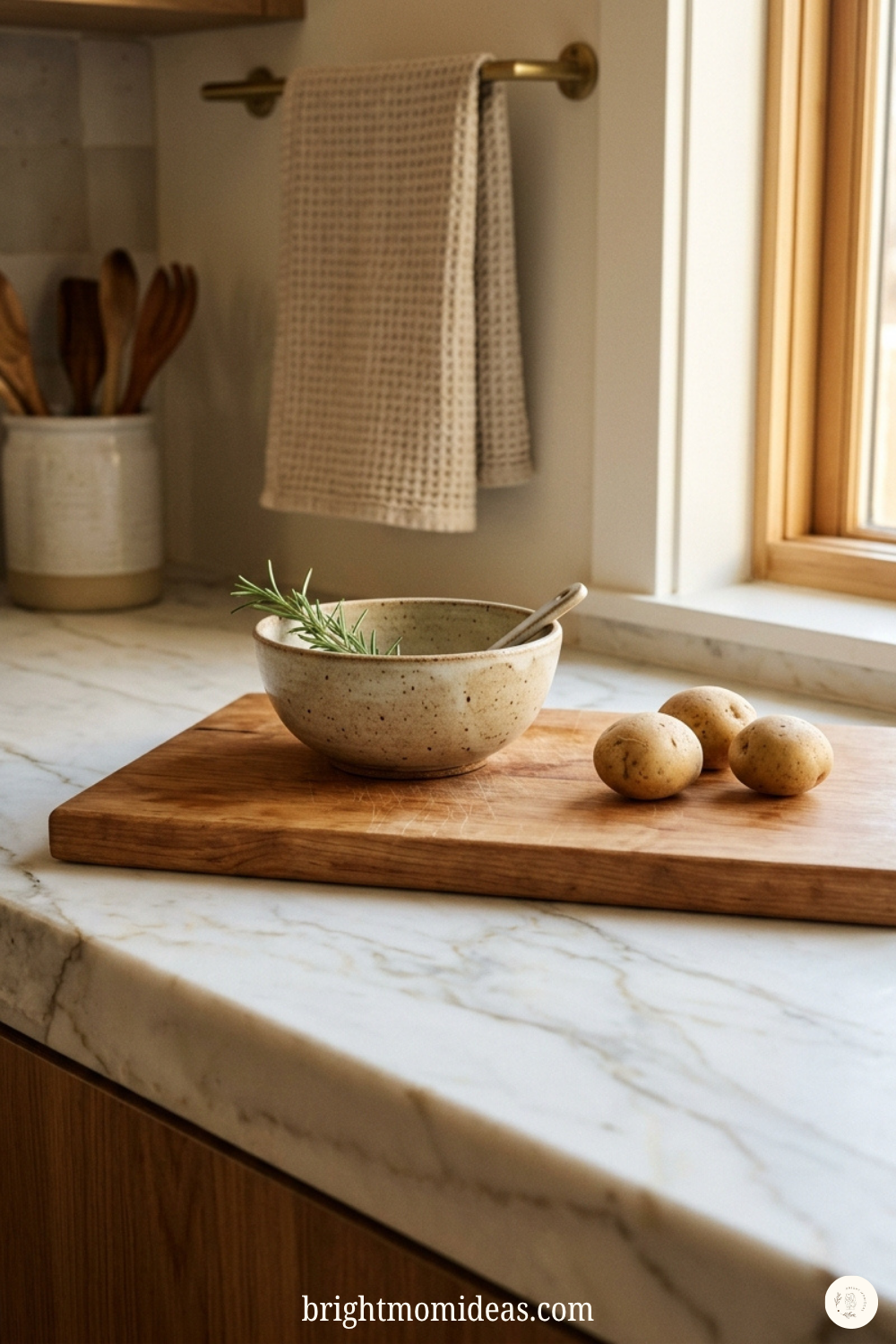
More budget-friendly options include butcher block for warmth and texture, or matte laminate in stone-look finishes that have improved dramatically in recent years.
Flooring
Wide plank wood in a warm medium tone grounds the room and adds the natural warmth that is central to the Japandi kitchen aesthetic. Large format matte tile in a warm gray or sand color works equally well — particularly in kitchens that see heavy daily use where wood requires more maintenance.
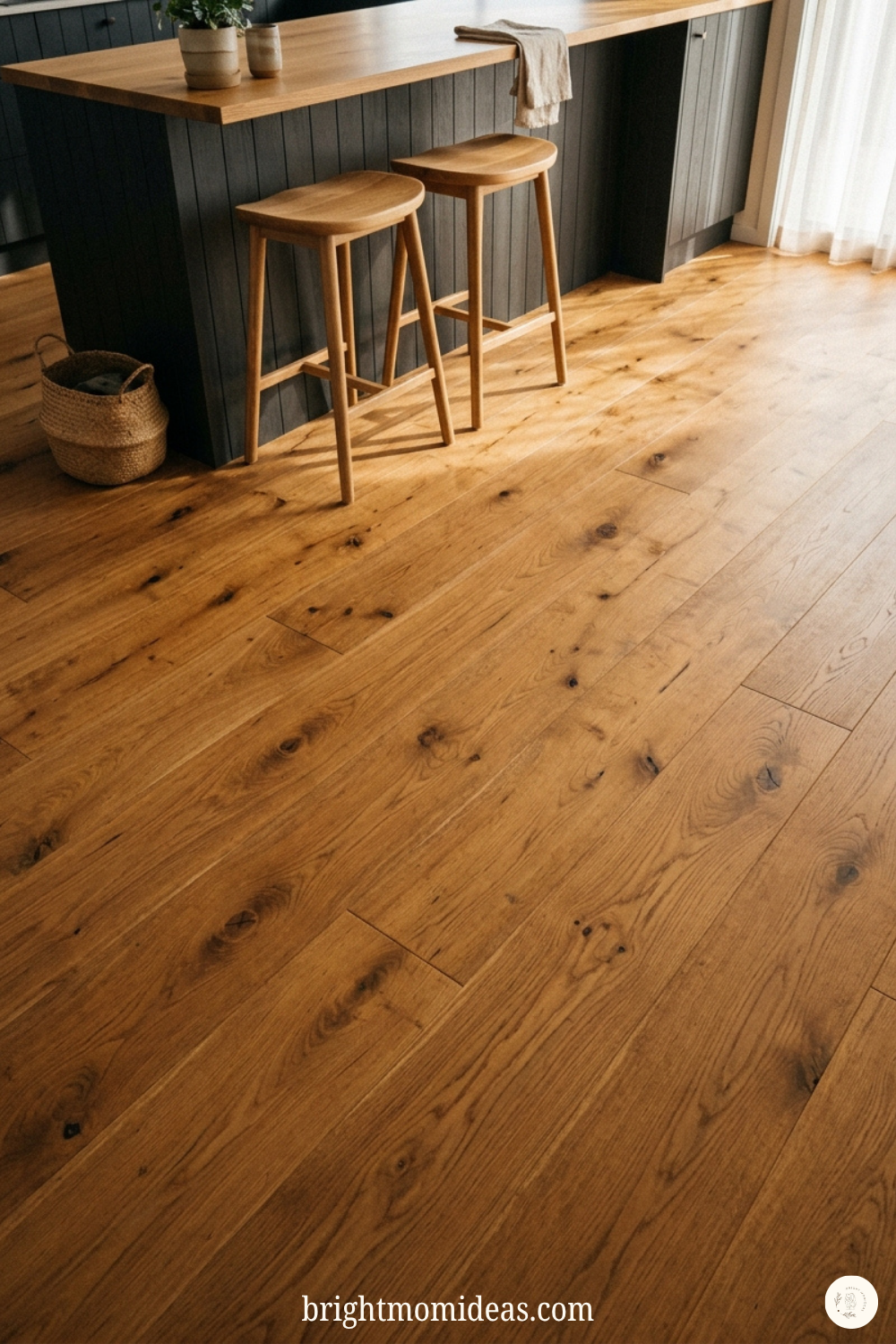
The consistent thread through all of these choices is warmth and matte finish. Japandi kitchens are almost entirely devoid of high-gloss surfaces — and that single decision changes the entire feeling of the room more than any other.
The Japandi Kitchen Details That Make the Biggest Difference
Once the foundation is right — the colors, the materials, the clean surfaces — it is the smaller details that take a Japandi kitchen from nice to genuinely beautiful.
Ceramics and pottery. Replace uniform matching sets with handmade or handmade-feeling pieces in earthy tones. A simple ceramic bowl sitting on the counter, a clay pot holding a small herb plant, a matte ceramic mug hanging on a hook — these objects bring the wabi-sabi quality that makes a Japandi kitchen feel alive rather than styled.
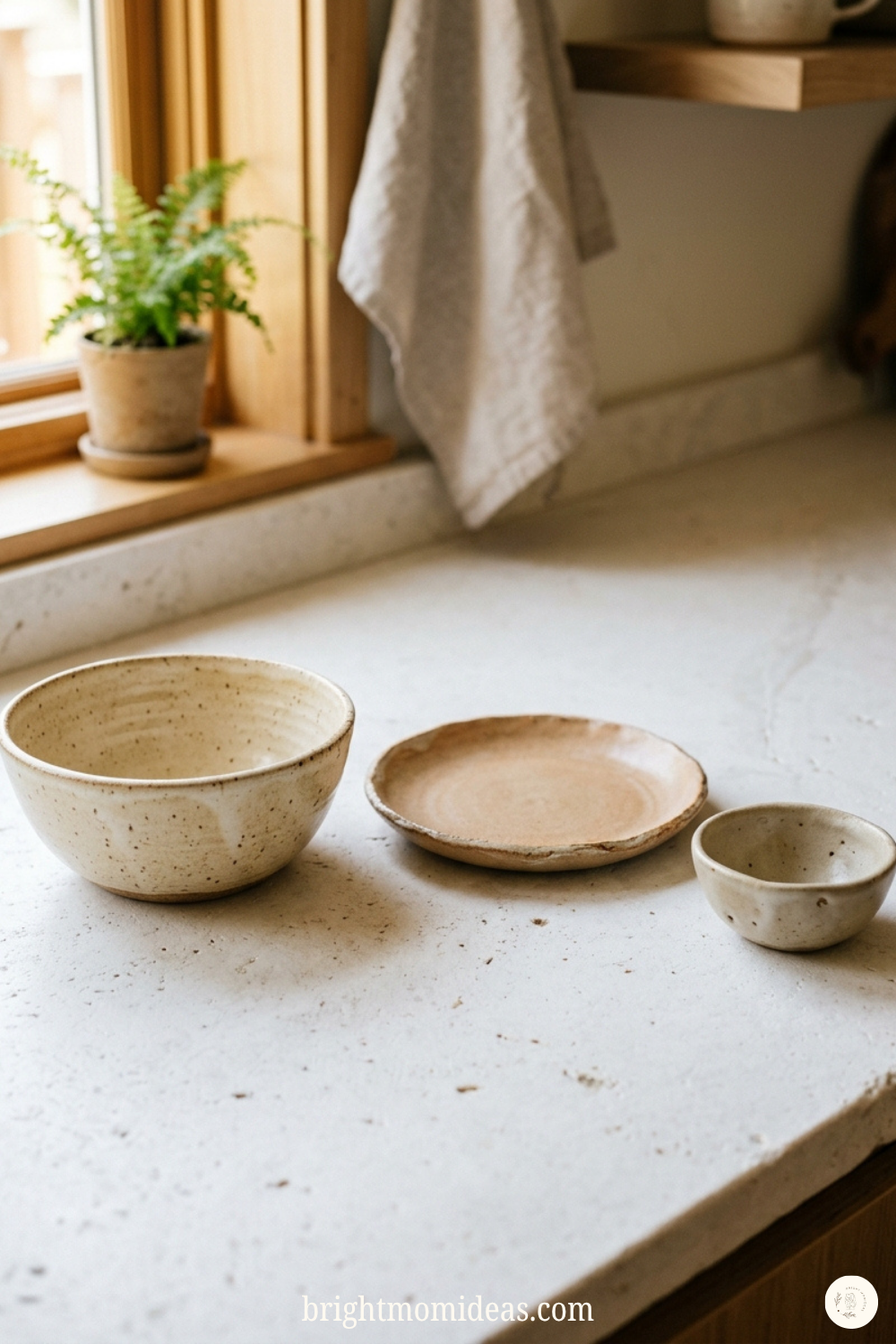
Textiles. A linen dish towel draped on an oven handle. A simple woven placemat on the counter near the coffee maker. These small textile moments add texture and warmth that no hard surface can replicate.
Plants. A small potted plant on the windowsill. A trailing plant on an open shelf. Even a single stem in a simple ceramic vase on the counter. Plants are not optional in a Japandi kitchen — they are essential. They bring life, color, and the outside world into a space that could otherwise feel too controlled.
Lighting. Swap a bright overhead fixture for a warm pendant in rattan or natural paper. Add under-cabinet lighting in a warm tone. The lighting in a Japandi kitchen should feel like late afternoon sunlight rather than a retail display.
Why a Japandi Kitchen Might Be the Most Honest Design Decision You Make for Your Home
There is something deeply satisfying about a kitchen that does not try too hard.
A Japandi kitchen is not designed to get compliments at a dinner party — although it will. It is not designed to photograph well for Instagram — although it absolutely does. It is designed to make the daily act of cooking, cleaning, and gathering feel genuinely pleasant rather than visually draining.
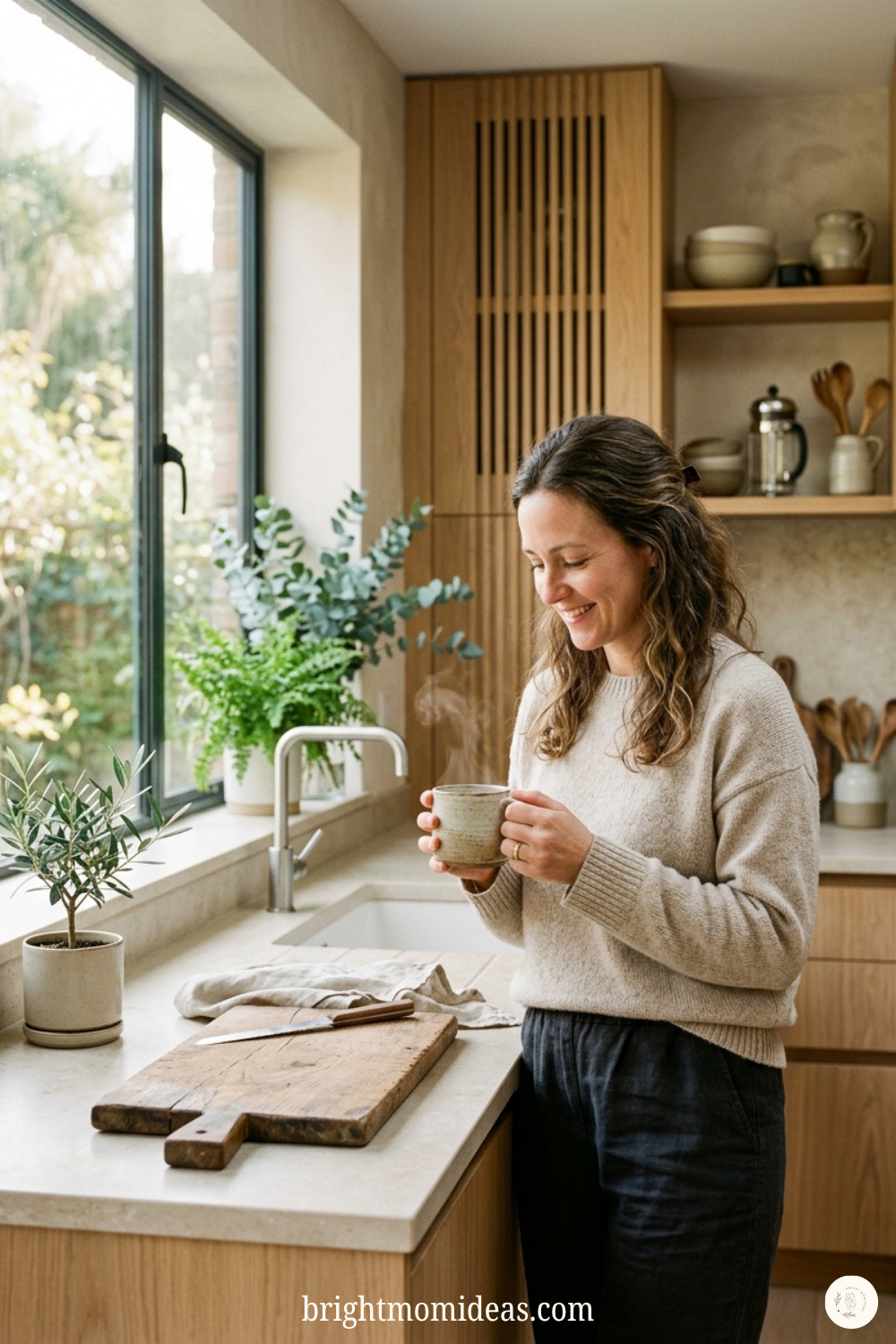
That is the fix that most modern kitchens miss. And it is the thing that Japandi kitchen design gets quietly, consistently right.
Whether you are planning a full kitchen renovation or just looking for Japandi kitchen ideas you can start implementing this weekend, the principles are the same.
Simplify. Warm up the materials. Choose natural over synthetic wherever you can. Hide the clutter. Display only what you truly love.
Do those things consistently and you will have a Japandi kitchen that feels like the most thoughtful room in your home. Because it will be.
Save this post to your Pinterest kitchen boards and come back to it whenever you are ready to make your next kitchen change. 📌
Disclosure: This post contains affiliate links. If you purchase through these links I may earn a small commission at no extra cost to you. Thank you for supporting this blog.

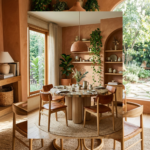
[…] difference between a flat neutral dining room and a beautiful Japandi neutral palette comes down to one word — warmth. Flat neutrals tend to use cool undertones, the kind of whites […]